Disclosure: This post contains affiliate links. We may earn a commission at no extra cost to you.
How Long Does Eye Cream Take to Work? Real Timeline & Expectations
Ever stared at a new jar of eye cream and wondered when you'd actually see a difference? You're not alone. Most people start using eye cream with high hopes, then get discouraged when nothing changes after a few days. The truth is, eye creams work on a timeline that has everything to do with how your skin naturally renews itself. Understanding that timeline can save you from tossing a perfectly good product too soon—or wasting months on one that's not right for you.
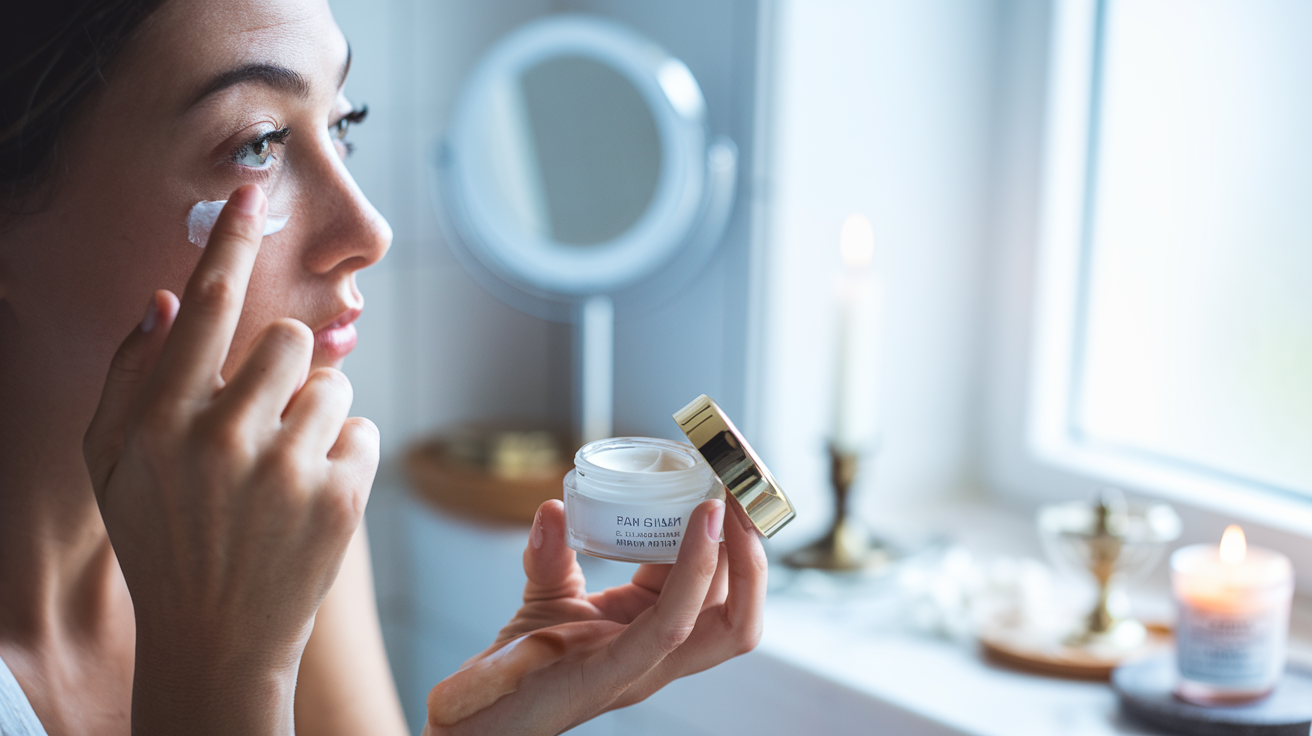
Understanding Eye Cream Absorption and Cell Turnover
Your skin doesn't transform overnight, no matter what you apply to it. The delicate skin around your eyes follows the same cell turnover cycle as the rest of your face, just with a thinner, more sensitive structure.
Cell turnover is the process where new skin cells form deep in the skin layers and gradually move to the surface, replacing older cells. In your twenties, this cycle takes about 28 days. By your forties, it can stretch to 45 days or longer. That means even the most effective ingredients need time to work their way through your skin's natural renewal process.
When you apply eye cream, some ingredients absorb quickly and provide immediate hydration—you might notice skin feels softer within hours. But structural improvements like smoother-looking texture or reduced appearance of fine lines require consistent use over weeks, not days.
Humectants like hyaluronic acid and glycerin plump the skin with moisture almost immediately. Antioxidants like vitamin C and niacinamide work gradually to brighten and even skin tone. Retinol and peptides need the longest timeline because they encourage skin renewal at a deeper level.
Think of it like watering a plant. The soil gets wet right away, but the plant takes weeks to grow stronger and healthier. Your under-eye skin works the same way.
Week-by-Week Results: What to Expect
Week 1: You'll notice hydration. The skin under your eyes should feel softer, less tight, and more comfortable. If your eye cream contains caffeine, you might see temporary reduction in puffiness, especially in the morning. Makeup may apply more smoothly if dryness was an issue before.
Weeks 2-3: This is when surface texture starts to improve. Fine lines caused by dehydration may look less noticeable. The under-eye area might appear slightly brighter if your formula includes vitamin C or niacinamide. You're still in the early phase, so don't expect dramatic changes yet.
Weeks 4-6: Now you're hitting the first full skin cell turnover cycle. This is when deeper improvements begin to show. The appearance of fine lines may soften, especially if you've been consistent. Skin tone around the eyes might look more even. If you're using retinol, you may notice smoother-looking texture.
Tired of seeing under-eye lines before you see yourself?
If the tiny creases under your eyes make you look more tired than you feel, this guide shows the simple under-eye routine that helps soften the look of dry lines, crepey texture, and tired skin without guessing or wasting weeks on random products.
Weeks 8-12: This is the sweet spot. Most clinical studies on eye cream ingredients measure results at the 12-week mark for a reason. By now, you should see the full potential of your product. Skin around the eyes may look firmer, smoother, and less tired. Dark circles might appear lighter if pigmentation was part of your concern.
Keep in mind that results vary based on your age, skin type, the specific product you're using, and how consistently you apply it. Some people see changes sooner, others need the full three months.
Factors That Speed Up or Slow Down Results
Consistency is everything. Skipping days or only using eye cream occasionally means you're constantly restarting the process. Apply your eye cream twice daily—morning and night—for the best chance at visible improvement.
Your skin type matters. Dry skin tends to show hydration benefits faster because the difference is more obvious. Oily or combination skin may take longer to show texture improvements, but that doesn't mean the product isn't working.
Ingredient strength plays a role. A gentle peptide cream will work more slowly than a retinol formula, but it's also less likely to cause irritation. Stronger doesn't always mean better, especially for sensitive under-eye skin.
Sun protection speeds things up. UV exposure breaks down collagen and causes pigmentation, which works against your eye cream. Wearing sunglasses and applying SPF around the eyes (carefully) helps your eye cream work more efficiently. For more detailed guidance, check out this affiliate one to build a routine that supports faster results.
Your overall skincare routine impacts results. If you're not cleansing properly, using harsh products, or skipping moisturizer, your eye cream has to work harder. A balanced routine gives your eye cream the best environment to perform.
Sleep, hydration, and diet also matter. No cream can undo chronic dehydration or constant lack of sleep. Think of eye cream as part of a bigger picture, not a magic fix.
Signs Your Eye Cream Is Actually Working
It's easy to lose track of small changes when you see your face every day. Here's what to watch for:
Your skin feels different. Before you see changes, you'll feel them. The area under your eyes should feel more hydrated, softer, and less papery. If you notice that shift within the first week or two, your product is absorbing well.
Fine lines look less obvious in certain lighting. Pay attention in natural light, especially in the morning. If those tiny lines from dehydration or sleep creases seem less pronounced, that's progress.
Makeup applies more smoothly. Concealer that used to settle into lines or look cakey may start blending better. That's a sign your skin texture is improving.
You look less tired, even on rough days. If people stop asking if you're feeling okay, or you notice your eyes look brighter in photos, your eye cream is likely doing its job.
Your under-eye area feels firmer. Not tight or uncomfortable, but less saggy or crepey. This is especially noticeable if you've been using a formula with peptides or retinol for several weeks.
You're not experiencing irritation. A working eye cream should never burn, sting, or make your eyes water. If it does, the formula isn't right for you, no matter how many great reviews it has.
If you've been using your eye cream for 12 weeks and see none of these signs, it's time to switch. Not every product works for every person, and that's okay. The key is giving it enough time before deciding. For help choosing the right formula for your specific concerns, this affiliate one walks you through what ingredients to prioritize based on your skin's needs.
The bottom line? Eye cream isn't an instant fix, but it's not a long shot either. Give it at least six weeks before making any judgments, stick with it for three months to see full results, and pay attention to the small signs of progress along the way. Your under-eye skin will thank you for the patience.