Disclosure: This post contains affiliate links. We may earn a commission at no extra cost to you.
How Long Does Eye Cream Take to Work? A Realistic Timeline
September 14, 2026
Have you ever bought an eye cream, used it religiously for a week, then stared into the mirror wondering if anything changed at all? You're not alone. One of the most common questions about eye care is how long it actually takes to see results—and the answer is more nuanced than you might think.
The truth is, eye creams don't work overnight. The under-eye area has thinner skin than the rest of your face, which means it shows signs of aging more quickly but also responds to consistent care over time. Understanding what to expect—and when—can help you stay patient and avoid tossing a perfectly good product before it has a chance to work.
What to Expect in the First 2 Weeks
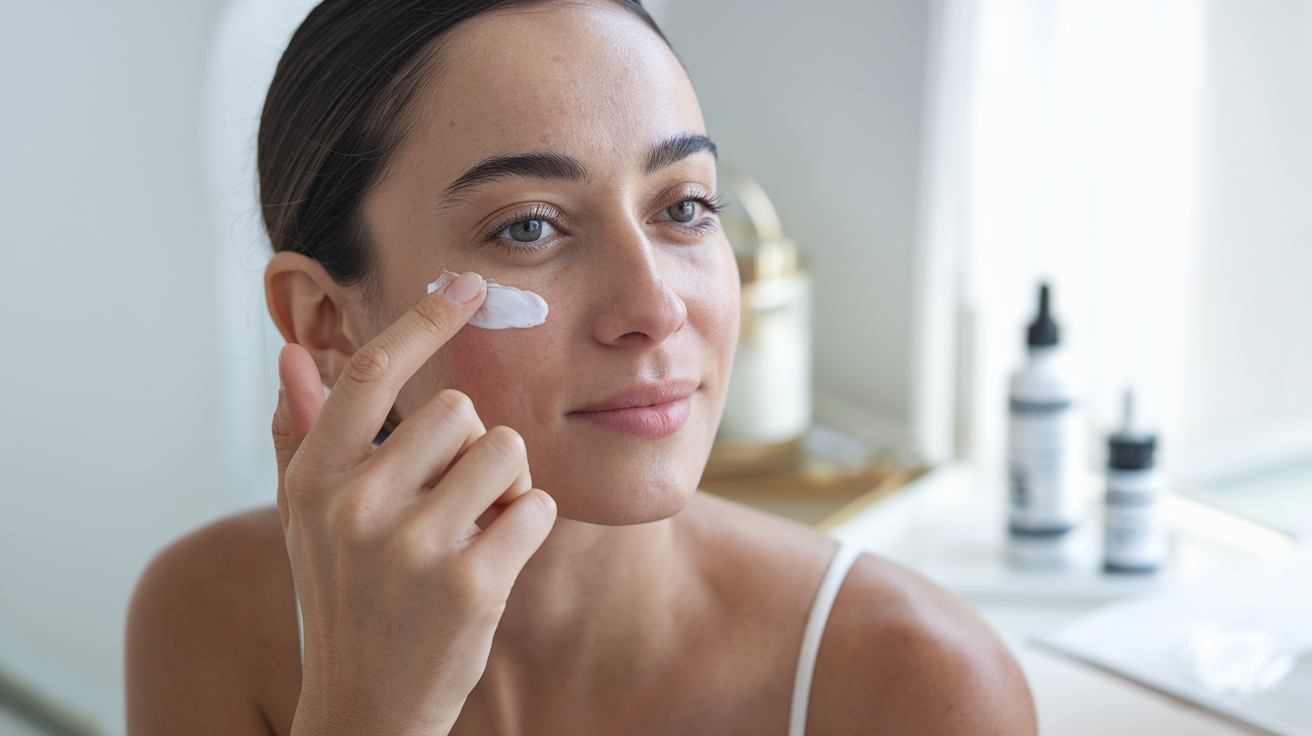
During the first two weeks, you're mostly experiencing surface-level changes. Your eye cream is hydrating the outer layer of your skin, which can make the under-eye area feel softer and look temporarily plumper.
If your eye cream contains hydrating ingredients like hyaluronic acid or glycerin, you might notice your under-eye skin feels less tight or dry. Makeup may apply more smoothly, and that crepey texture might look a bit less pronounced after you apply the cream.
But don't expect dramatic changes yet. At this stage, you're laying the foundation. The key is consistency. Skipping days or applying too little product can slow down even these early improvements.
Some people also experience slight tingling or warmth if the formula contains active ingredients like retinol or peptides. This is usually normal, but if you notice persistent irritation, redness, or stinging, it's worth switching to a gentler formula.
Visible Changes at the 4-6 Week Mark
This is when things start to get interesting. Around the one-month mark, your skin cells have had enough time to respond to the active ingredients in your eye cream.
If your formula includes peptides, you might notice the skin under your eyes looks smoother and slightly firmer. Fine lines may appear softer, especially the ones caused by dehydration. Your under-eye area might also look less dull or tired, particularly if your cream contains brightening ingredients like vitamin C or niacinamide.
This is also the point where people often decide whether a product is worth continuing. If you're seeing even subtle improvements—less settling of concealer into lines, a slight reduction in the appearance of darkness, or a smoother texture—that's a good sign the product is working for your skin.
Tired of seeing under-eye lines before you see yourself?
If the tiny creases under your eyes make you look more tired than you feel, this guide shows the simple under-eye routine that helps soften the look of dry lines, crepey texture, and tired skin without guessing or wasting weeks on random products.
Keep in mind that visible changes depend heavily on what you're trying to improve. Puffiness may improve faster than dark circles. Dry fine lines may soften before deeper expression lines show any change. Managing expectations here is important—not every concern responds at the same rate.
Long-Term Results After 3 Months
Three months is the gold standard timeline for evaluating an eye cream. By this point, your skin has gone through multiple cell turnover cycles, and the active ingredients have had time to make a noticeable difference.
If your eye cream contains retinol or retinoids, this is when you're most likely to see improvements in texture and a reduction in the appearance of fine lines. These ingredients work by encouraging cell turnover and supporting collagen production, but they need time to build up in your routine.
Peptide-rich formulas may help the under-eye area look firmer and more resilient. Antioxidants like vitamin C can contribute to a brighter, more even-toned appearance over time. And if you've been consistent with sunscreen during the day, you're protecting those results from further damage.
This is also a good time to take progress photos. It's easy to forget what your skin looked like three months ago, and side-by-side comparisons can reveal improvements you might not notice day to day.
But here's the reality: not every eye cream will work for every person. If you've used a product consistently for three months and seen no improvement, it might be time to try a different formula or consult with a dermatologist about other options.
How to Maximize Your Eye Cream Results
Getting the most out of your eye cream isn't just about the product itself—it's about how you use it and what else you're doing for your skin.
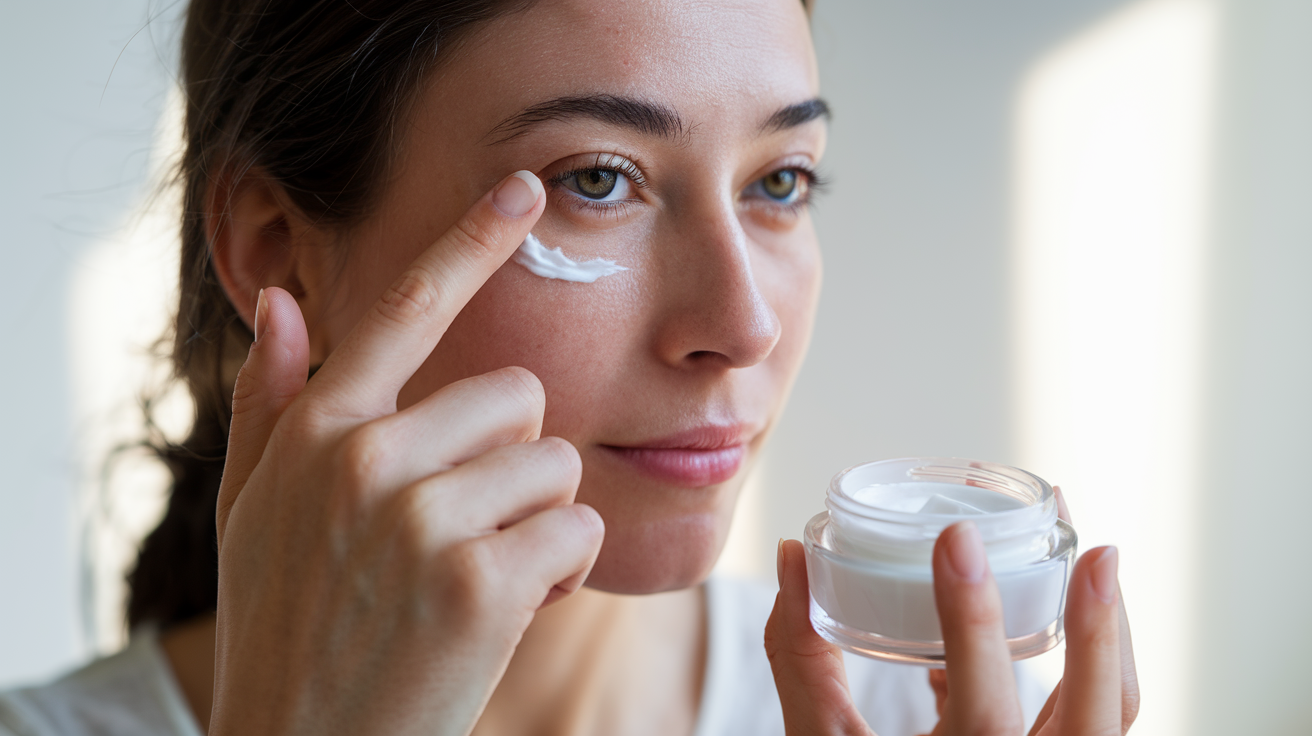
First, make sure you're applying the right amount. A pea-sized amount is usually enough for both eyes. Gently tap the cream around the orbital bone using your ring finger, which applies the least pressure. Avoid pulling or tugging at the delicate skin.
Apply your eye cream on clean skin, ideally after a hydrating serum but before heavier moisturizers or oils. This helps the active ingredients penetrate more effectively. If you're using retinol or other actives, start with a few times a week and build up as your skin adjusts.
Sunscreen is non-negotiable. Even the best eye cream can't undo the damage from daily sun exposure. Wear a broad-spectrum SPF every day, and consider sunglasses for extra protection when you're outside.
Stay consistent. Using your eye cream sporadically won't give you the results you're hoping for. Make it part of your morning and evening routine, and give it time to work.
If you want more detailed guidance on building an effective under-eye routine, check out this affiliate one for specific product recommendations and application tips.
Finally, manage your expectations. Eye creams can help soften the appearance of fine lines, reduce puffiness, and brighten the under-eye area—but they won't erase deep wrinkles or completely change your eye shape. They're one tool in a larger skincare strategy that includes hydration, sun protection, sleep, and overall skin health.
The best eye cream is the one you'll actually use. Find a formula that feels good on your skin, fits your budget, and addresses your specific concerns. Then commit to it for at least a few months before deciding whether it's working. Patience and consistency are just as important as the ingredients themselves.
For a step-by-step breakdown of which ingredients to look for and how to layer your products, this affiliate one walks you through everything you need to know.