Disclosure: This post contains affiliate links. We may earn a commission at no extra cost to you.
Eye Cream Before or After Moisturizer? The Right Order for Maximum Results
Are you layering your eye cream and moisturizer in the wrong order without even realizing it? If you've ever wondered whether eye cream goes on before or after your face moisturizer, you're not alone. This simple question confuses even the most dedicated skincare fans, and getting it wrong might mean your products aren't working as well as they could.
The truth is, product order matters more than most people think. Apply your eye cream at the wrong time, and you might dilute its key ingredients or create a barrier that keeps them from absorbing properly. Let's break down exactly when to apply eye cream so you can make the most of every drop.
Why Product Order Actually Matters for Eye Area
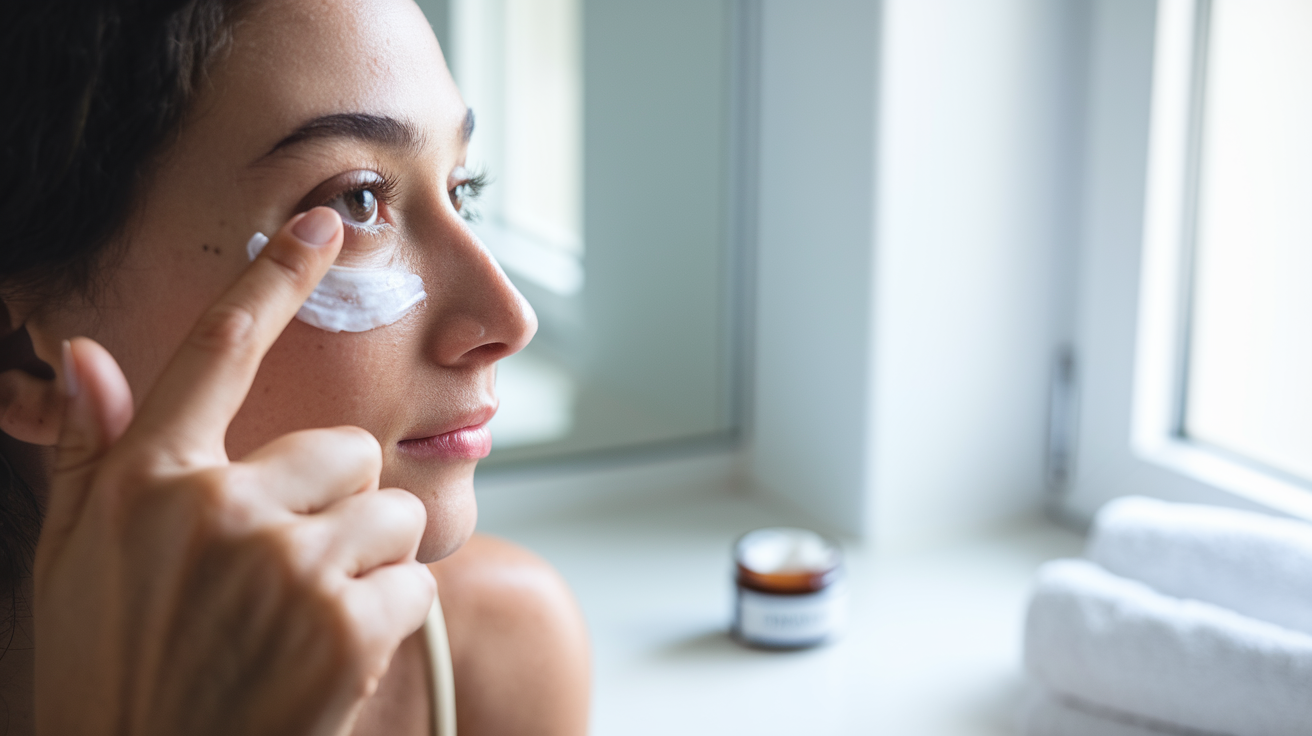
The skin around your eyes is thinner and more delicate than the rest of your face. It has fewer oil glands, loses moisture faster, and shows signs of aging more quickly. That's why eye creams exist in the first place—they're formulated specifically for this fragile area with lighter textures and targeted ingredients.
When you layer products incorrectly, you risk creating a film that blocks absorption. If you apply a thick moisturizer first, then try to pat on eye cream, that heavier layer acts like a shield. Your eye cream just sits on top instead of sinking in where it can actually help soften the look of fine lines and dryness.
Think of it like painting a wall. You wouldn't put primer over paint—you'd do it the other way around. The same logic applies to skincare. Lighter products go on first, heavier ones seal everything in after.
The Science Behind Skincare Absorption
Skincare products absorb best when applied from thinnest to thickest consistency. This isn't just a beauty myth—it's based on how skin barrier function works.
Your skin has a protective outer layer designed to keep things out. When you apply products, smaller molecules penetrate more easily than larger ones. Eye creams are typically lighter and less occlusive than face moisturizers, which means they need direct contact with skin to work effectively.
If you reverse the order and put moisturizer on first, you're asking your eye cream to push through a layer of emollients, occlusives, and humectants. Some ingredients might make it through, but many won't. That's why following the right sequence helps you get better support from the products you're already using.
Most skincare experts recommend applying products in this general order: cleanser, toner, serums, eye cream, moisturizer, SPF. Eye cream comes after your lighter treatment products but before your heavier creams that lock everything in.
Tired of seeing under-eye lines before you see yourself?
If the tiny creases under your eyes make you look more tired than you feel, this guide shows the simple under-eye routine that helps soften the look of dry lines, crepey texture, and tired skin without guessing or wasting weeks on random products.
Step-by-Step: Correct Eye Cream Application Timing
Now let's walk through exactly when and how to apply your eye cream for better absorption and smoother-looking skin around the eyes.
Step 1: Cleanse your face. Start with clean skin so nothing blocks your products from absorbing. Use a gentle cleanser that doesn't strip your skin or leave residue behind.
Step 2: Apply toner or essence (if you use one). These watery products prep your skin and should always go on before thicker treatments.
Step 3: Use any serums. If you have a vitamin C serum, retinol, or other targeted treatment, apply it now while your skin is still slightly damp. These lightweight formulas penetrate best on bare skin.
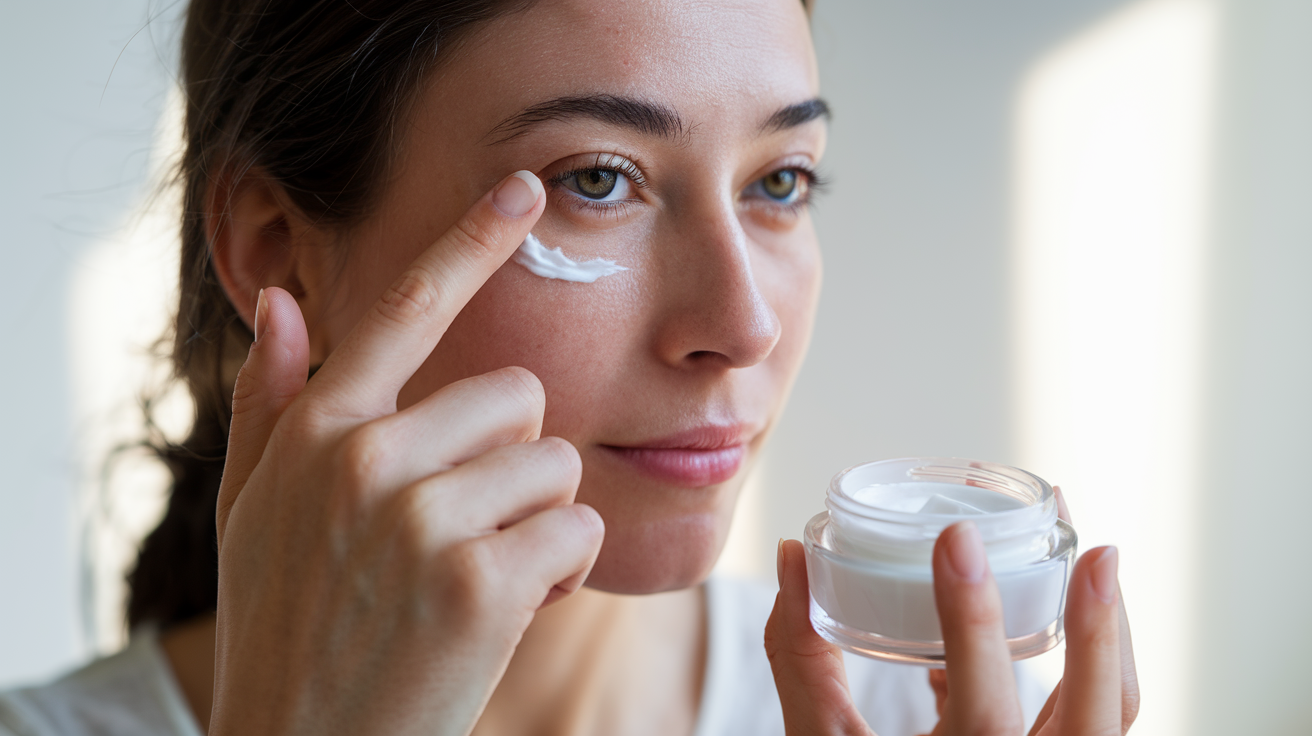
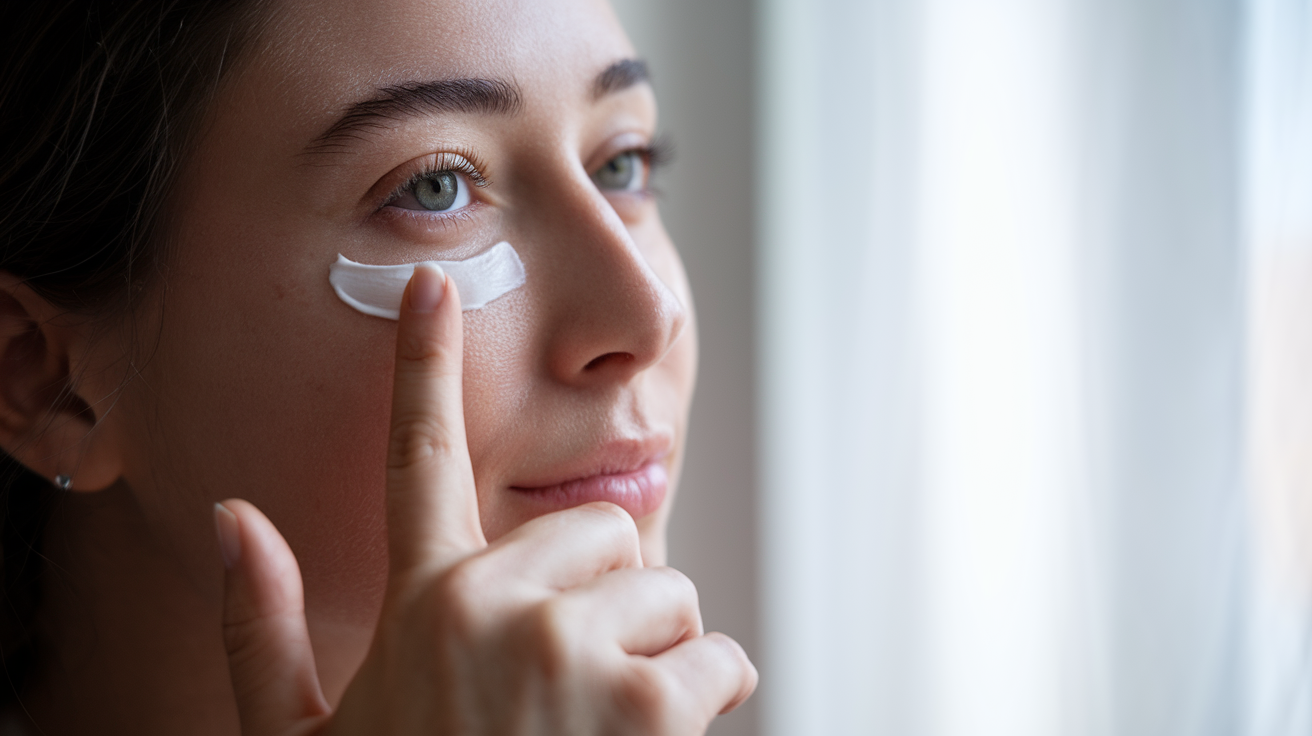
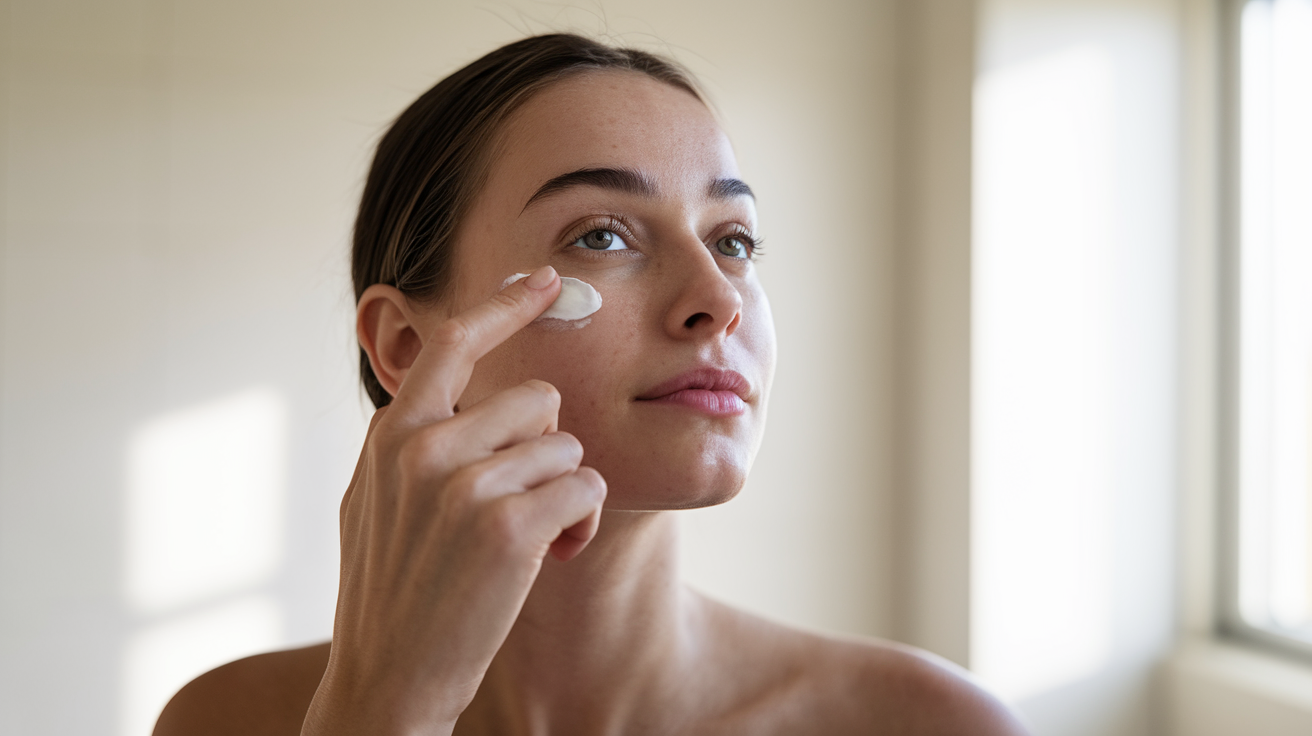
Step 4: Apply eye cream. Take a rice-grain-sized amount and gently pat it around your orbital bone—the bony area surrounding your eye socket. Don't rub or tug. Start at the inner corner under your eye and move outward, then across your brow bone if your product is safe for that area. Wait about 30 seconds to let it settle.
Step 5: Apply face moisturizer. Now you can smooth on your regular moisturizer over the rest of your face. You can bring it close to the eye area, but avoid layering it directly over where you just applied eye cream. If you want more detailed guidance on layering eye treatments effectively, check out this affiliate one that breaks down each step.
Step 6: Finish with SPF (morning only). Sunscreen always goes last in your morning routine to create a protective layer against UV damage.
Common Layering Mistakes That Reduce Effectiveness
Even when you know the right order, it's easy to make small mistakes that undermine your routine. Here are the most common ones to watch for.
Applying too much product. More isn't better with eye cream. A pea-sized amount is enough for both eyes. Using too much can cause pilling, irritation, or that sticky feeling that makes you want to wipe it off.
Rubbing instead of patting. The skin around your eyes is delicate. Rubbing stretches it and can make fine lines more noticeable over time. Always use your ring finger to gently pat product in—it naturally uses the least pressure.
Waiting too long between steps. You don't need to wait 10 minutes between every product, but give your eye cream about 30 seconds to a minute before applying moisturizer on top. This brief pause helps it absorb without interference.
Mixing incompatible ingredients. If your eye cream contains retinol and your serum has vitamin C, layering them incorrectly might cause irritation. Keep potent actives separated by time of day when possible—vitamin C in the morning, retinol at night.
Skipping eye cream entirely. Some people think face moisturizer is enough for the whole face, including the eyes. But eye creams are specifically formulated for that thinner, more sensitive skin. They usually have gentler ingredients and textures that won't irritate or cause puffiness.
Using the wrong consistency. Not all eye creams are created equal. If yours is heavier than your face moisturizer, you might need to adjust your order or switch to a lighter eye formula. The thinnest-to-thickest rule should guide you—if your eye cream feels like a thick balm and your moisturizer is a light lotion, you may want to reconsider your product choices.
Getting your skincare order right doesn't require a complicated routine or expensive products. It just takes a little attention to texture and timing. For a complete breakdown of morning and evening routines tailored to under-eye concerns, this affiliate one walks you through each decision with real clarity.
The bottom line? Eye cream goes on after your lighter serums and treatments, but before your face moisturizer. Follow this simple rule, and you'll give your eye area the best chance to look smoother, more hydrated, and less tired over time.