Disclosure: This post contains affiliate links. We may earn a commission at no extra cost to you.
Eye Cream Before or After Moisturizer: The Order That Actually Works
Ever stood in front of your bathroom mirror holding both an eye cream and a face moisturizer, wondering which one should touch your skin first? You're not alone. The order you layer your skincare products can make a real difference in how well they work, especially around the delicate eye area where the skin is thinner and more sensitive than anywhere else on your face.
Getting the sequence wrong doesn't just waste product. It can prevent your eye cream from doing what it's supposed to do, leaving you with the same tired-looking under-eyes you're trying to address.
Why Product Order Matters for Eye Area Results
The skin around your eyes is about ten times thinner than the skin on your cheeks. This means it absorbs products differently and needs special attention when you're layering multiple formulas.
When you apply skincare, ingredients need to penetrate the outer layer of skin to be effective. If you apply a heavier, occlusive product first, it creates a barrier that blocks lighter products from absorbing properly.
Think of it like painting a wall. You wouldn't apply a thick sealant coat first and then try to add primer underneath. The same logic applies to your skincare routine.
Most eye creams are formulated with specific ingredients designed to address concerns like fine lines, puffiness, or dark circles. These ingredients need direct contact with your skin to work effectively. If you've already applied a thick moisturizer, your eye cream may just sit on top without doing much at all.
The basic rule in skincare is to apply products from thinnest to thickest consistency. This allows each layer to absorb properly before you add the next one.
The Correct Sequence: Eye Cream Before or After Moisturizer
Here's the answer: eye cream goes on before your face moisturizer in most cases.
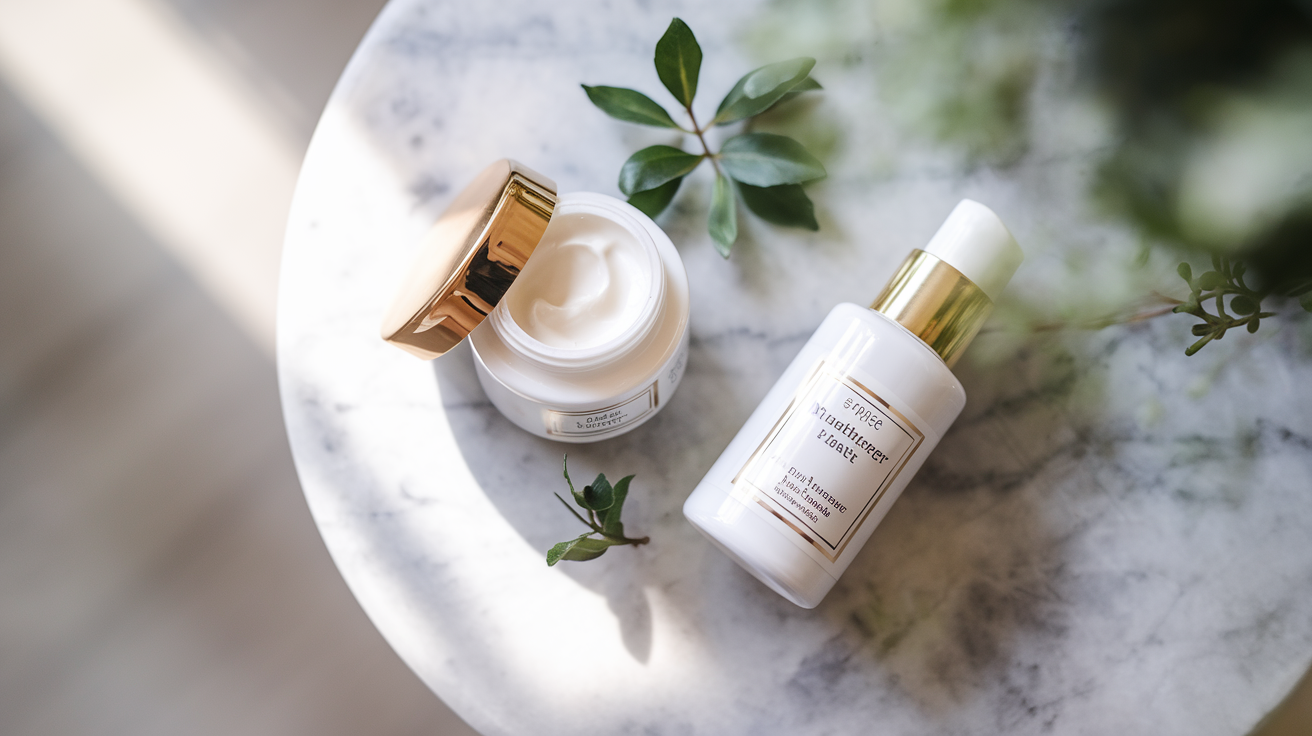
After cleansing and applying any serums or treatments, your eye cream should be the next step. Once it has absorbed for about 30 seconds to a minute, then you apply your regular face moisturizer, carefully avoiding the immediate eye area where you've already applied the eye cream.
Tired of seeing under-eye lines before you see yourself?
If the tiny creases under your eyes make you look more tired than you feel, this guide shows the simple under-eye routine that helps soften the look of dry lines, crepey texture, and tired skin without guessing or wasting weeks on random products.
Why this order works: Eye creams are typically lighter and more concentrated than face moisturizers. They're designed to be absorbed quickly into that thin under-eye skin. Face moisturizers, on the other hand, tend to be richer and more emollient, creating a protective layer over your skin.
By applying eye cream first, you give those targeted ingredients a clear path to absorb. Then your moisturizer seals everything in and provides additional hydration to the rest of your face.

There is one exception to this rule: if your eye cream is unusually thick or balm-like in texture, and your face moisturizer is very lightweight, you might reverse the order. But this is rare. Most modern eye creams have gel or light cream textures that absorb quickly.
If you're using multiple treatments, the full order should look like this: cleanser, toner or essence, serum, eye cream, face moisturizer, and then sunscreen during the day.
How to Apply Eye Cream for Maximum Absorption
Getting the order right is only half the battle. How you apply your eye cream matters just as much.
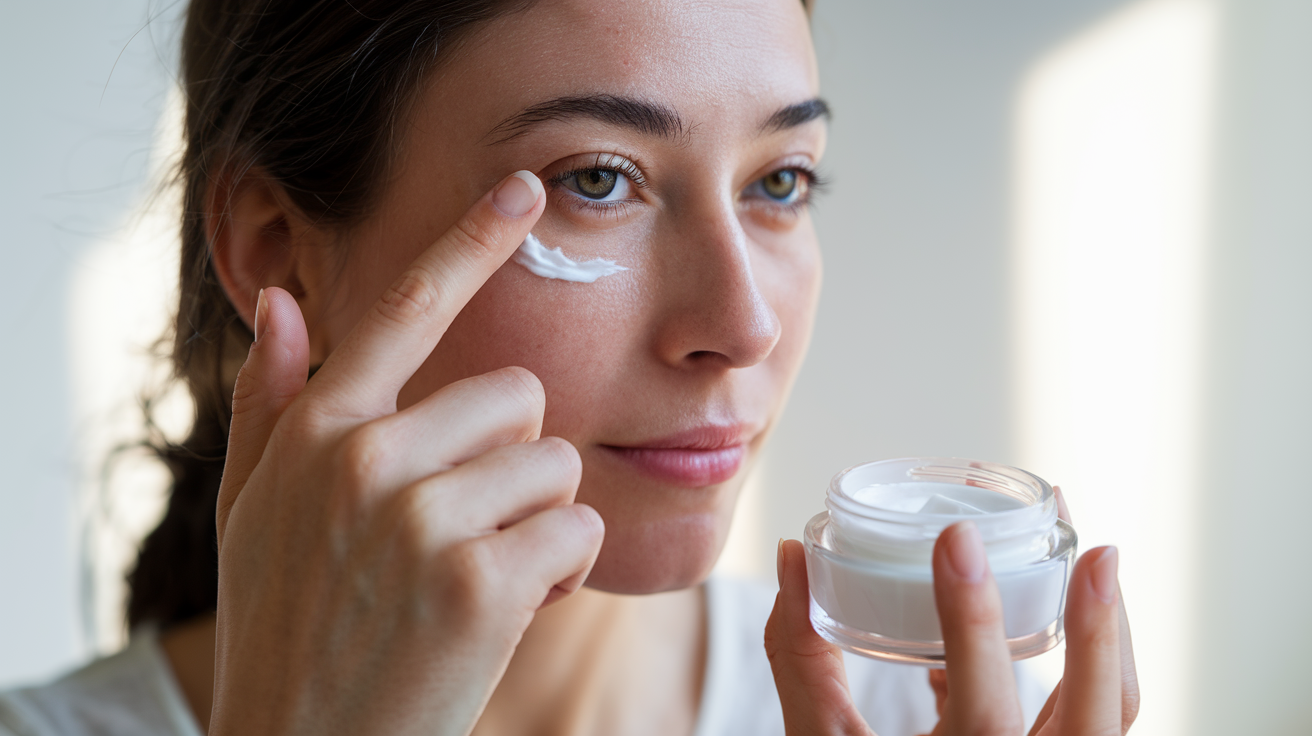
Start with a small amount, about the size of a grain of rice for both eyes. Eye creams are concentrated, and using too much can overwhelm the delicate skin and cause puffiness or milia (those tiny white bumps).
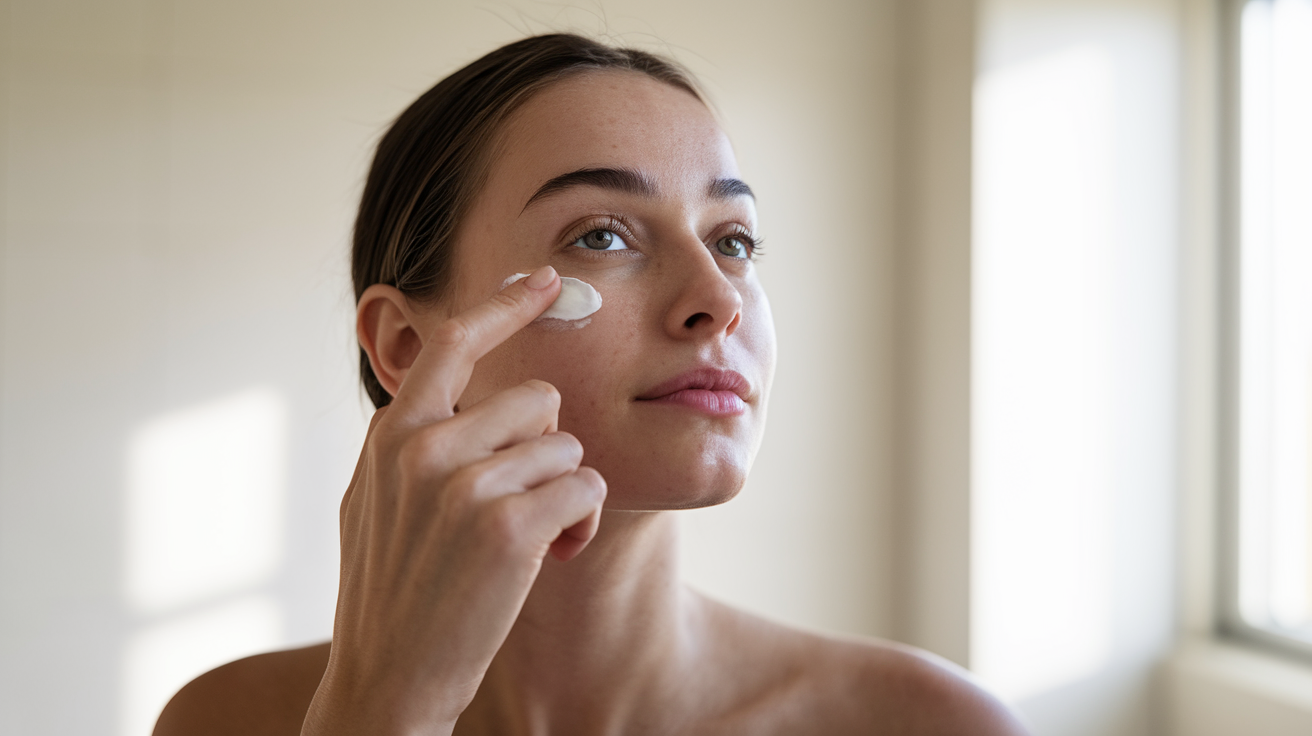
Use your ring finger to apply the product. This finger naturally uses the least pressure, which is important because the eye area bruises easily and doesn't respond well to aggressive rubbing or tugging.
Gently tap the eye cream along the orbital bone, starting from the inner corner and moving outward. The orbital bone is that bony ridge you can feel around your eye socket. Stay on or just below this bone, don't apply cream directly on your eyelid unless the product specifically says it's safe for that area.
Focus on the areas where you're seeing changes: under the eyes where fine lines form, the outer corners where crow's feet appear, and even along the brow bone if you're noticing crepey texture there.
Let the eye cream absorb for about 30 to 60 seconds before moving on to your moisturizer. This brief waiting period gives the product time to settle into your skin instead of mixing with the next layer and diluting its effectiveness.
If you want to dive deeper into creating an effective routine for the under-eye area, check out this affiliate one that walks you through product selection and timing.
Common Layering Mistakes That Reduce Eye Cream Effectiveness
Even when you know the correct order, it's easy to make small mistakes that compromise your results.
One of the biggest errors is applying too much product. More eye cream doesn't mean better results. The skin around your eyes can only absorb so much, and excess product just sits on the surface, potentially causing irritation or getting into your eyes.
Another mistake is applying eye cream too close to your lash line. The warmth of your skin causes products to migrate slightly, so anything you put too close to your eye can eventually travel into your eye and cause stinging or watering.
Rubbing instead of patting is also problematic. The skin around your eyes doesn't have as much collagen and elastin as the rest of your face, making it more prone to looking tired and showing fine lines when stretched or pulled repeatedly.
Skipping the wait time between products is another common issue. When you pile on moisturizer immediately after eye cream, the two products can mix together, diluting the eye cream and preventing it from working as intended.
Some people make the mistake of using their face moisturizer as eye cream to simplify their routine. While this isn't dangerous, face moisturizers often contain ingredients or fragrances that are too heavy or potentially irritating for the sensitive eye area.
On the flip side, applying eye cream all over your face is wasteful and unnecessary. Eye creams are formulated specifically for that thinner, more delicate skin and are usually more expensive per ounce than face moisturizers.
Finally, inconsistent application reduces effectiveness. Using eye cream only when you remember or only at night means you're not giving your skin the consistent support it needs to maintain a smoother, less tired-looking appearance over time.
For a complete breakdown of building an under-eye routine that works with your skin and schedule, this affiliate one offers practical guidance without the guesswork.
The order in which you apply your skincare products isn't just about following rules. It's about respecting how your skin works and giving each product the best chance to do its job. When you apply eye cream before moisturizer, let it absorb properly, and avoid common layering mistakes, you're setting yourself up for smoother-looking, more refreshed eyes that actually reflect how you feel inside.