Disclosure: This post contains affiliate links. We may earn a commission at no extra cost to you.
Eye Cream Before or After Moisturizer? The Order That Actually Works
You're standing in front of the mirror with your eye cream in one hand and moisturizer in the other, wondering which goes first. Does it even matter? If you've been guessing at the order or switching it up depending on your mood, you're not alone. But the truth is, the sequence you choose can affect how well your products absorb and how the skin around your eyes looks and feels over time.
The delicate under-eye area deserves more than a random approach. When you layer products in the right order, you give each formula the best chance to work without interference. Let's break down exactly when eye cream belongs in your routine and why it matters more than you might think.
Why Application Order Matters for Eye Care Results
The skin around your eyes is thinner and more delicate than the rest of your face. It has fewer oil glands, which means it can feel dry and show fine lines more easily. Because this area is so fragile, the products you use and how you apply them can make a real difference in how the skin looks and feels.
When you apply products in the wrong order, you create barriers that prevent ingredients from reaching the skin. Think of it like trying to soak up water with a sponge that's already coated in oil. The water just slides off. The same thing happens when you layer heavier products before lighter ones.
Eye creams are typically formulated with specific ingredients meant to target the unique concerns of the under-eye area, like puffiness, dark circles, and fine lines. If you apply a thick moisturizer first, you're essentially creating a barrier that keeps those targeted ingredients from absorbing properly.
Getting the order right helps ensure that each product can do what it's designed to do. It's not about being fussy or following complicated rules. It's about giving your skin the best chance to look smoother and feel more comfortable.
The Science Behind Product Layering and Absorption
Skincare absorption follows a simple principle: thin to thick. Lighter formulas with smaller molecules should go on first, followed by heavier creams with larger molecules. This allows each layer to penetrate without being blocked by the one before it.
Most eye creams have a lighter, more fluid texture than face moisturizers. They're designed this way intentionally because the under-eye area can't handle heavy formulas without looking greasy or feeling congested. Eye creams also contain specific concentrations of ingredients like peptides, caffeine, or ceramides that work best when they can reach the skin directly.
Tired of seeing under-eye lines before you see yourself?
If the tiny creases under your eyes make you look more tired than you feel, this guide shows the simple under-eye routine that helps soften the look of dry lines, crepey texture, and tired skin without guessing or wasting weeks on random products.
Face moisturizers, on the other hand, tend to be richer and more occlusive. They're meant to seal in hydration and create a protective layer on the skin. When applied after eye cream, they can actually help lock in the benefits of the eye cream without interfering with its absorption.
If you reverse the order and put moisturizer on first, the heavier cream sits on top of the skin and blocks the lighter eye cream from getting through. You end up with product sitting on the surface instead of absorbing where it's needed. For those looking to understand more about proper layering techniques, this affiliate one can help clarify the process.
Step-by-Step: When to Apply Eye Cream in Your Routine
Here's the order that works best for most people, whether you're doing a morning or evening routine:
Step 1: Cleanser
Start with a gentle cleanser to remove makeup, oil, and debris. Pat your face dry with a soft towel.
Step 2: Toner or Essence (Optional)
If you use a toner or hydrating essence, apply it now. These watery formulas prep the skin for better absorption.
Step 3: Serum
Apply any treatment serums like vitamin C, hyaluronic acid, or niacinamide. These are typically thinner than creams and should go on early.
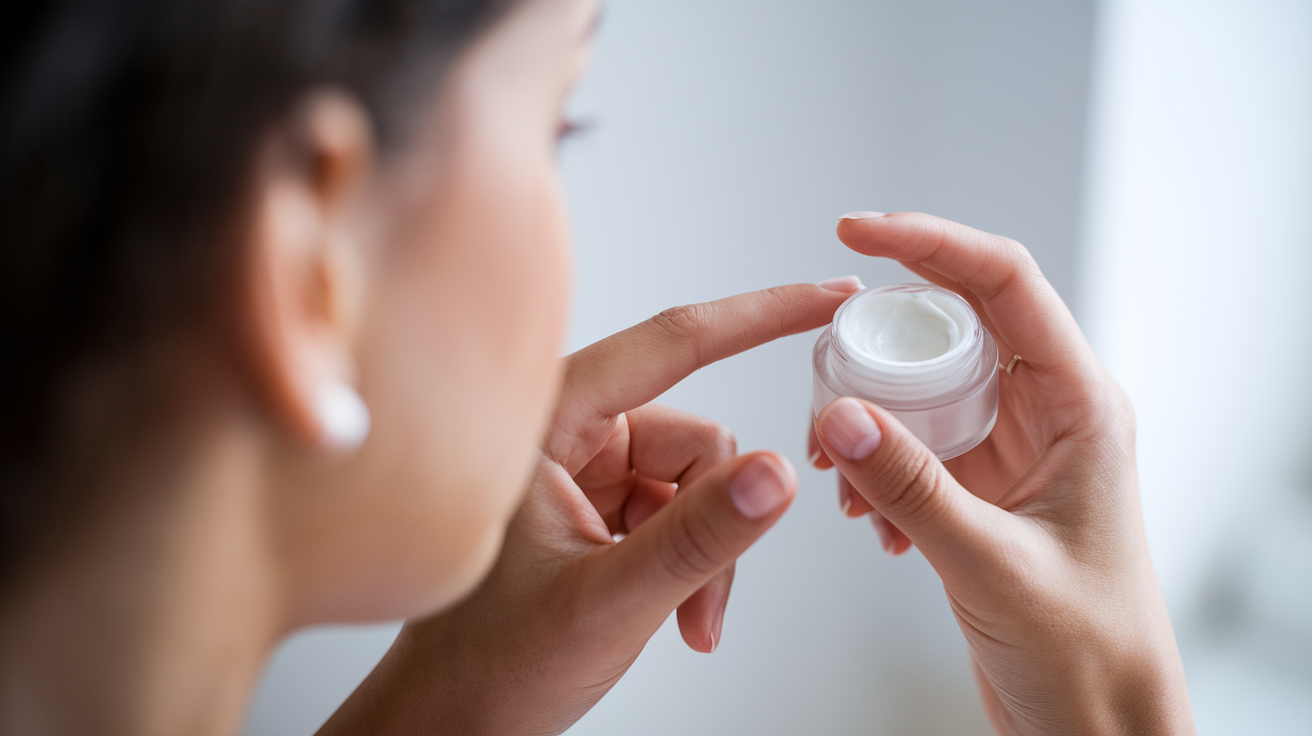
Step 4: Eye Cream
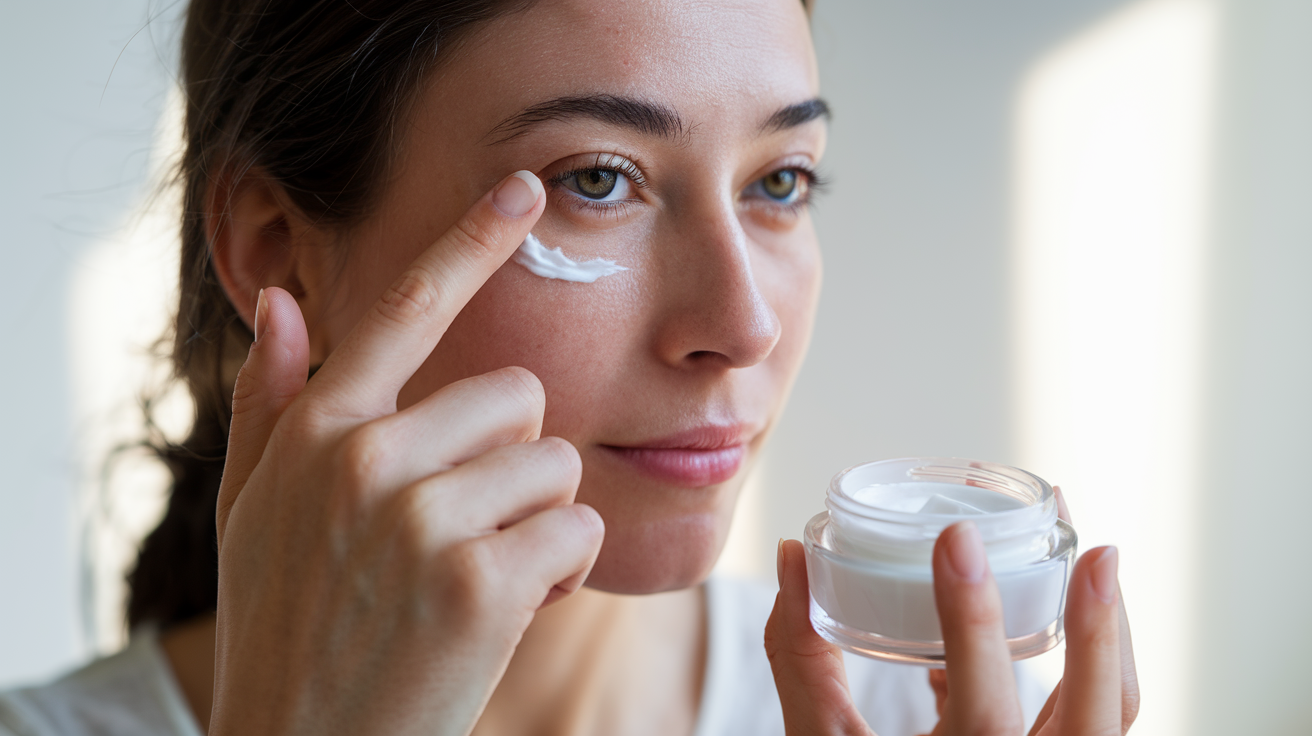
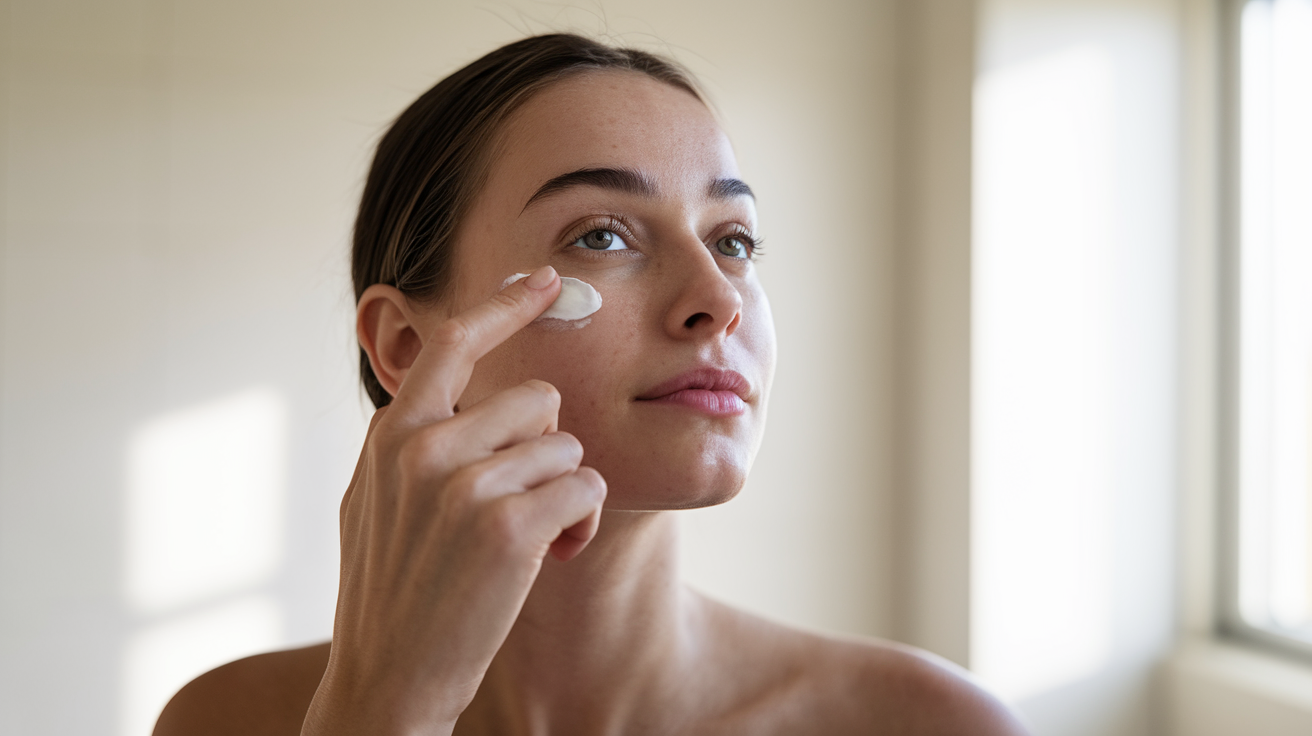
Now it's time for eye cream. Use your ring finger to gently tap a small amount around the orbital bone, avoiding direct contact with the lash line. Don't rub or tug. Let it absorb for 30 seconds to a minute.
Step 5: Moisturizer
After your eye cream has absorbed, apply your face moisturizer. You can bring it up to the under-eye area if your skin tolerates it, but avoid layering it directly over the eye cream in a way that would dilute it.
Step 6: SPF (Morning Only)
In the morning, finish with a broad-spectrum sunscreen. The skin around your eyes needs sun protection just as much as the rest of your face.
This sequence ensures that your eye cream gets full contact with the skin before heavier products go on. It's a simple shift that can make your routine feel more effective without adding extra time or complexity.
Common Layering Mistakes That Reduce Eye Cream Effectiveness
Even when you know the right order, there are a few sneaky mistakes that can interfere with how well your eye cream works.
Using Too Much Product
A little goes a long way with eye cream. Using too much can cause it to pill, migrate into your eyes, or sit on the surface without absorbing. A pea-sized amount is usually enough for both eyes.
Applying Moisturizer Too Soon
If you slap on your moisturizer immediately after eye cream, you risk mixing the two products together and diluting the eye cream's effectiveness. Give it a moment to sink in first.
Rubbing Instead of Tapping
The under-eye skin is delicate. Rubbing or pulling can contribute to a tired appearance over time. Always tap gently with your ring finger, which naturally uses the least pressure.
Skipping Eye Cream Altogether
Some people think they can just use their face moisturizer around the eyes. While that's better than nothing, eye creams are formulated specifically for this sensitive area and often contain ingredients your face cream doesn't have.
Using the Wrong Formula for Your Skin Type
If your eye cream feels too heavy or too light, it might not be the right match for your skin. Gel formulas work well for oily or combination skin, while richer creams suit drier skin types. Understanding your specific needs is where resources like this affiliate one can be helpful.
Applying Too Close to the Lash Line
Eye cream should go on the orbital bone, not right up against your lashes. Product placed too close can migrate into your eyes and cause irritation or puffiness.
Fixing these small mistakes can make your routine feel more comfortable and help your products work the way they're meant to. You don't need to overhaul everything. Just pay attention to the details that matter.
The right order isn't complicated. Eye cream goes on before moisturizer, after your lighter serums, and with a gentle tapping motion. It's a small adjustment that respects the unique needs of the delicate skin around your eyes and gives your products the best chance to support a smoother, less tired-looking appearance over time.