Disclosure: This post contains affiliate links. We may earn a commission at no extra cost to you.
Eye Cream Before or After Moisturizer? The Order That Actually Works
You bought the eye cream. You use it every night. So why does the delicate skin around your eyes still look tired and lined?
The problem might not be what you're using—it's when you're using it. The order you apply your skincare products makes a real difference in how well they work, especially for the thin, sensitive under-eye area. Apply your eye cream at the wrong time, and you're basically layering it where it can't do much for your skin.
Why Product Order Matters for Eye Area Results
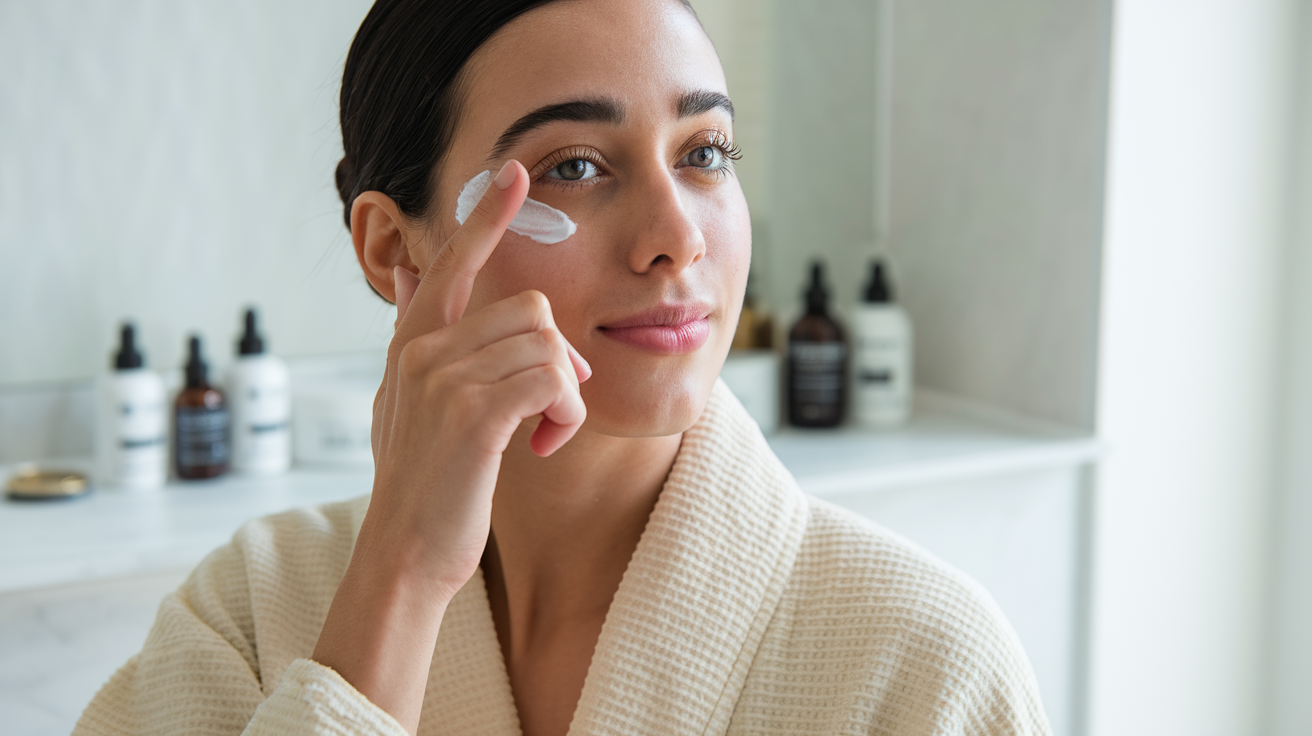
The skin under your eyes is thinner than anywhere else on your face—about ten times thinner than your cheek skin. That means it absorbs products differently and shows texture changes faster.
When you layer skincare, each product creates a thin film on your skin. If you apply a rich moisturizer first, then pat on eye cream, that eye cream has to work through the moisturizer barrier to reach your skin. Most of it just sits on top, doing very little.
The reverse works better. Eye cream applied to clean skin absorbs more effectively. Then your moisturizer seals everything in without blocking what you just applied.
Think of it like painting a wall. Primer goes on bare surface. Topcoat goes over primer. Switching the order doesn't give you the same finish.
The Science-Backed Skincare Layering Rule
Dermatologists recommend the thin-to-thick rule: apply products from thinnest consistency to thickest. This helps each layer absorb properly without interference.
Most eye creams have a thinner, lighter texture than face moisturizers. They're formulated to absorb quickly into delicate skin without feeling heavy or causing puffiness.
Face moisturizers tend to be richer and create more of a protective barrier. That barrier is helpful—it locks in hydration and keeps environmental stress out. But it also blocks anything you try to apply after it.
So the order that actually works: eye cream first, moisturizer second.
This applies whether you're using a affiliate one or something from your local drugstore. The consistency matters more than the price tag.
Tired of seeing under-eye lines before you see yourself?
If the tiny creases under your eyes make you look more tired than you feel, this guide shows the simple under-eye routine that helps soften the look of dry lines, crepey texture, and tired skin without guessing or wasting weeks on random products.
Step-by-Step: Where Eye Cream Fits in Your Routine
Here's the full routine order for morning and evening, so you can layer everything correctly:
Morning routine:
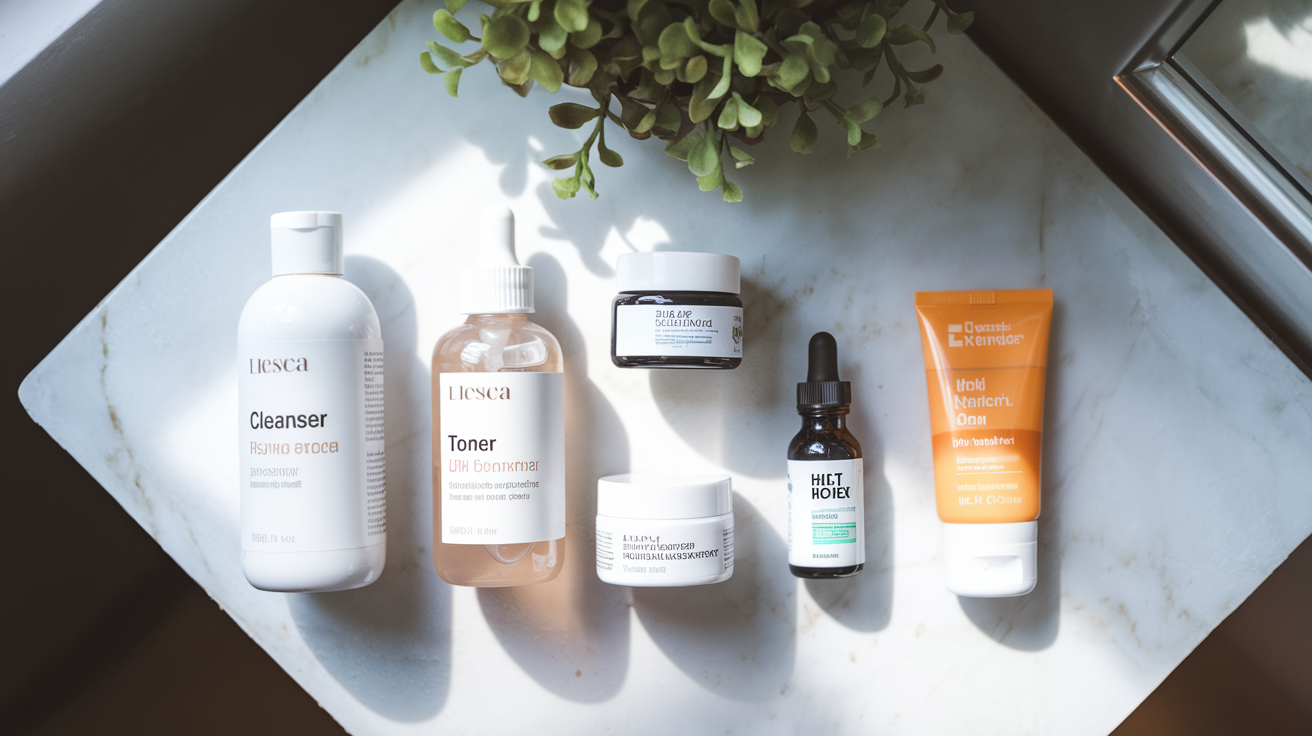
Start with cleanser, then pat your face dry. If you use a toner or essence, apply that next to damp skin.
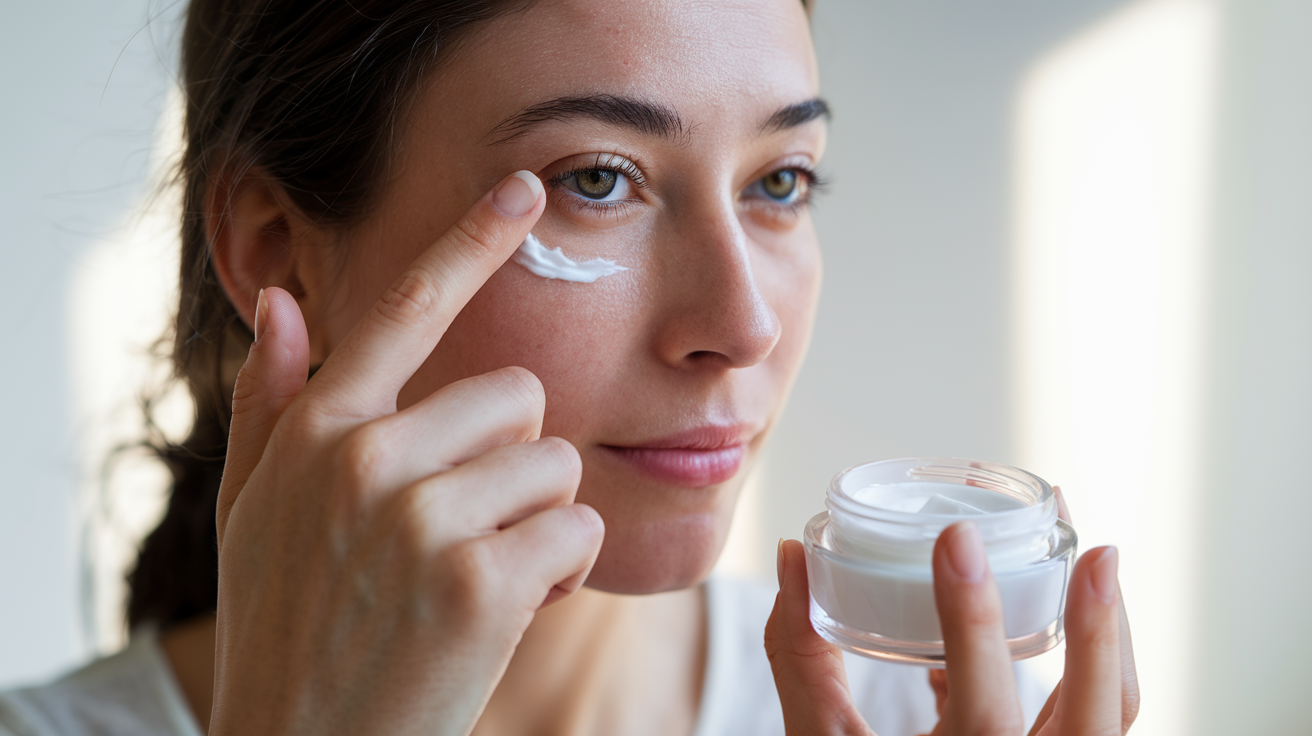
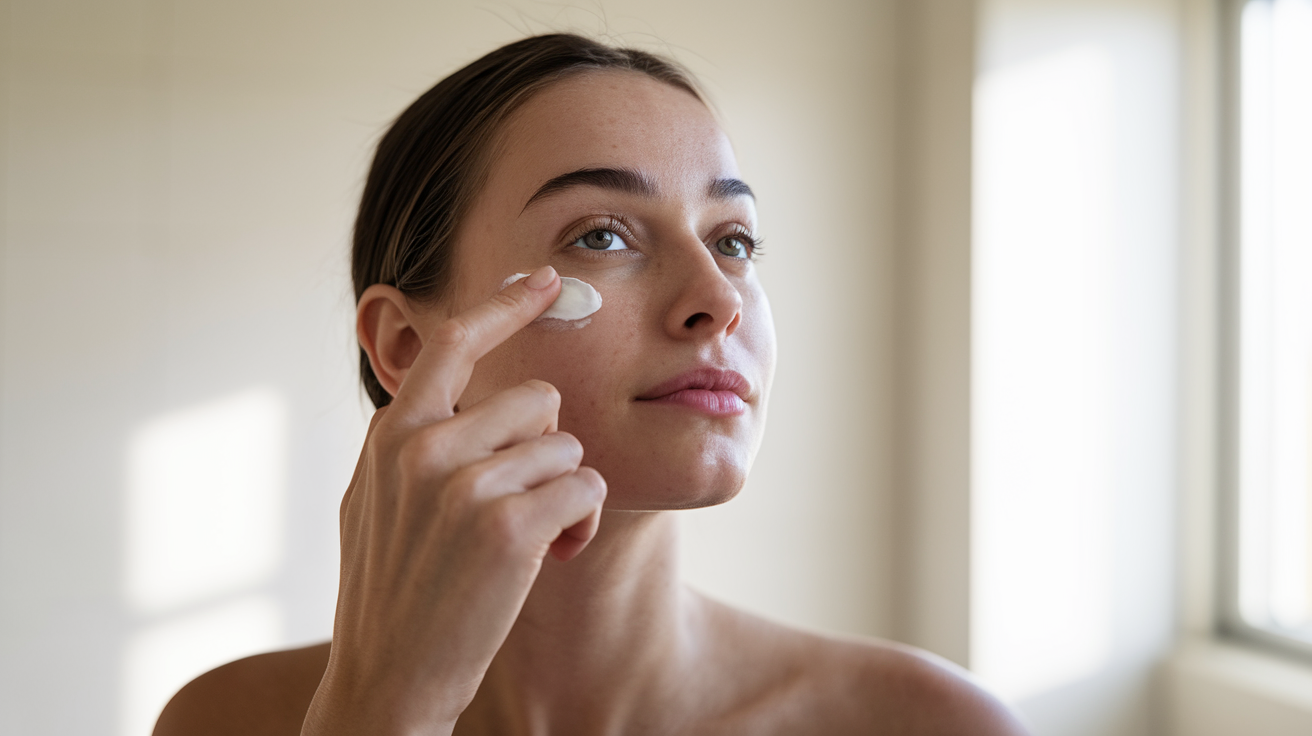
Now comes your eye cream. Use your ring finger to gently pat a small amount around the orbital bone—that's the bony area surrounding your eye socket. Don't rub. Don't pull. Just tap lightly until absorbed.
Wait about 30 seconds. Let the eye cream sink in a bit before moving on.
Apply any serums to your face, avoiding the immediate eye area since you already treated it.
Then apply your face moisturizer. You can bring it close to the eye area, but don't layer it directly over where you just applied eye cream.
Finish with sunscreen over everything. Yes, even around your eyes if your eye cream doesn't have SPF.
Evening routine:
Cleanse thoroughly, especially if you wore makeup. Double cleanse if needed.
Apply any treatment products like retinol or exfoliating acids, but keep them away from the eye area unless they're specifically formulated for it.
Pat on your eye cream next, using the same gentle tapping motion.
Follow with face moisturizer or night cream.
If you're using a facial oil, that goes last since oil creates the thickest barrier.
The key is always the same: eye cream goes on before your moisturizer, not after.
Common Layering Mistakes That Reduce Eye Cream Effectiveness
Applying eye cream over moisturizer. This is the biggest mistake. Your eye cream can't work if it's sitting on top of a moisturizer layer instead of on your skin.
Using too much product. A rice grain amount is enough for both eyes. More doesn't mean better—it just means product sitting on your skin, possibly migrating into your eyes, and wasting money.
Rubbing instead of patting. The skin around your eyes is fragile. Rubbing and pulling can make fine lines look more obvious over time. Always use a light patting or tapping motion.
Skipping the wait time. If you slap on moisturizer immediately after eye cream, you're essentially mixing the two products together on your skin. Give your eye cream 30 seconds to a minute to absorb first.
Applying eye cream too close to your lash line. Keep it on the orbital bone. Product applied too close to your eyes can migrate in and cause irritation or puffiness. Your skin will naturally distribute some of the product to the closer areas anyway.
Using face products as eye cream. Face moisturizers often contain ingredients that are too strong for the thin under-eye area. They can cause sensitivity or interfere with how your actual eye cream works. Keep them separate.
Forgetting about texture. If you have one of those rare thick, balm-like eye creams and a watery gel moisturizer, you might need to flip the order. Always go thinnest to thickest, even if that means moisturizer before eye cream in unusual cases.
Getting your skincare order right won't transform your skin overnight. But it does mean the products you're already using can work the way they're designed to. If you're investing time and money in an eye cream, you might as well apply it in a way that actually helps.
The next time you're standing at your bathroom sink, remember: eye cream first, moisturizer second. It's a small change that makes your whole routine work better.
For more detailed guidance on which eye cream textures work best for different concerns, check out this affiliate one that breaks down exactly what to look for based on your specific under-eye issues.