Disclosure: This post contains affiliate links. We may earn a commission at no extra cost to you.
Drugstore vs High-End Eye Creams: Which Actually Works for Wrinkles?
Published October 2, 2026
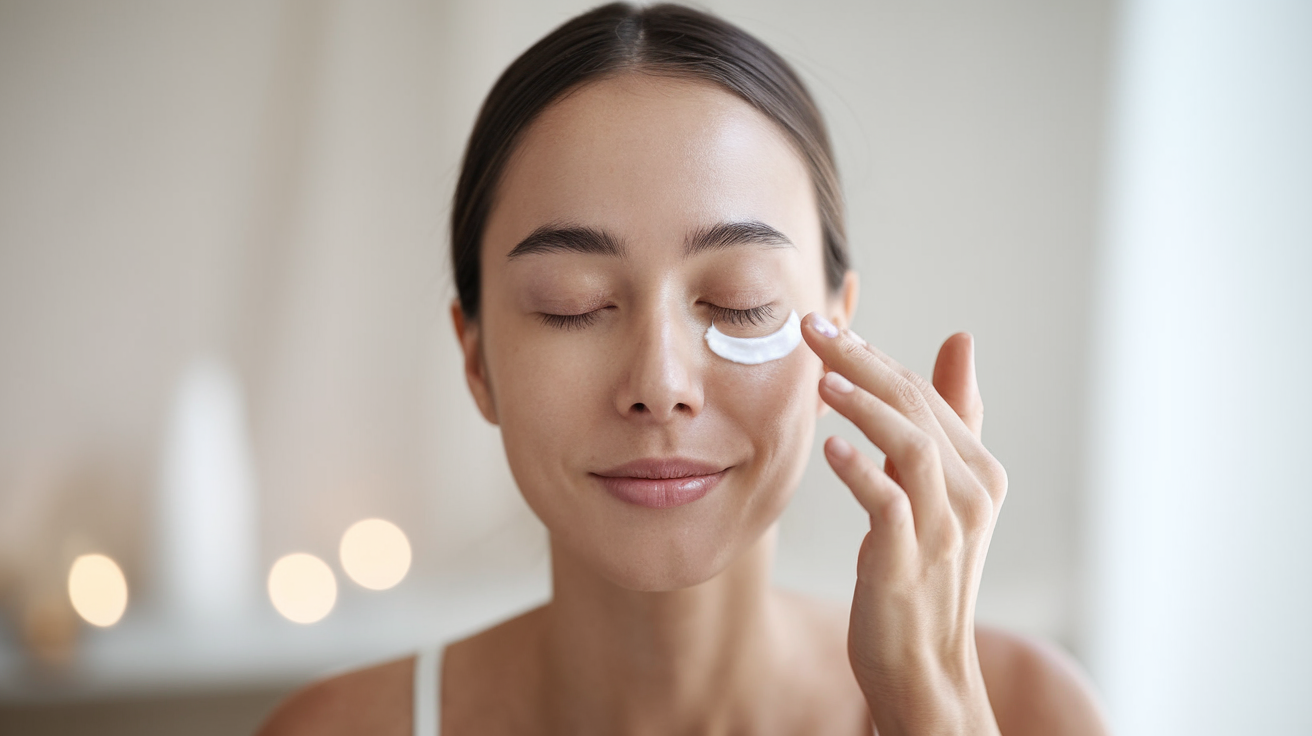
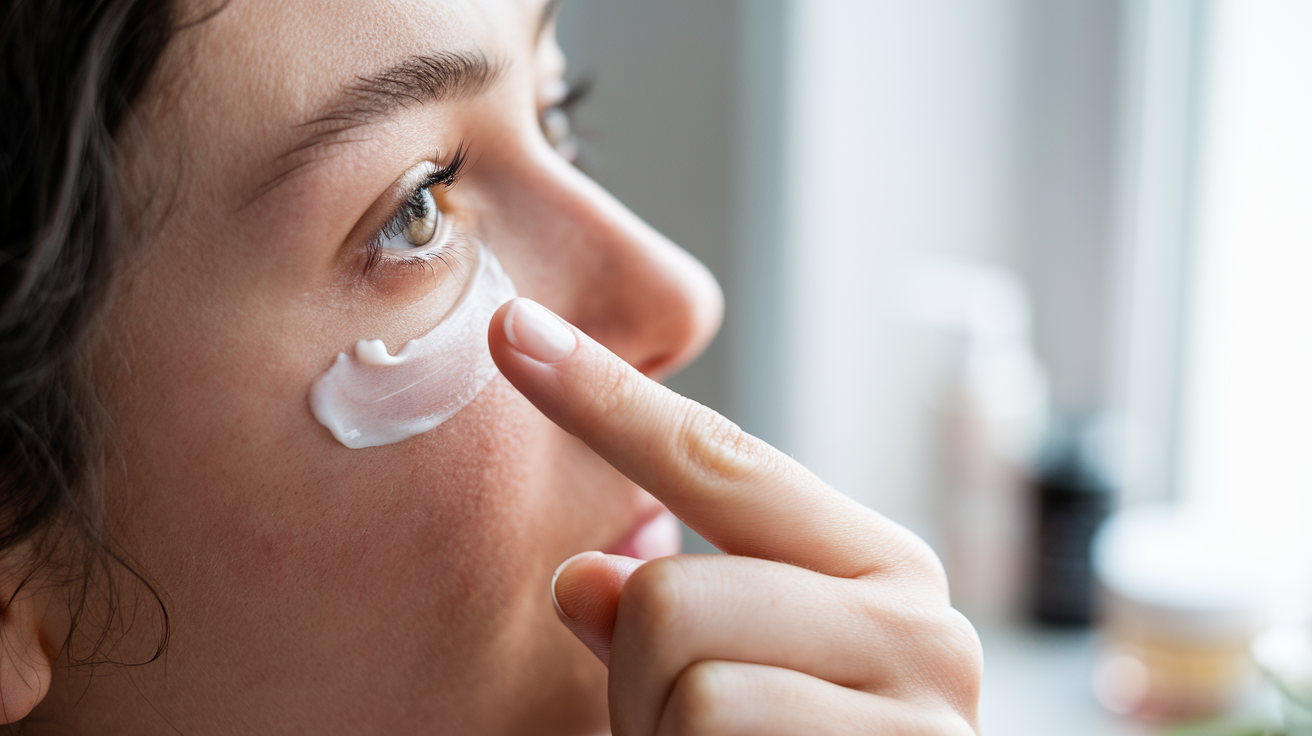
Are expensive eye creams worth the hype, or can a $12 drugstore tube deliver the same results as a $200 luxury jar? It's one of the most asked questions in skincare, and the answer isn't as simple as you'd think. The truth is that some budget formulas rival their high-end counterparts, while others fall flat. Meanwhile, some luxury creams justify their price tags with cutting-edge ingredients and elegant textures, while others are all marketing and pretty packaging. Let's break down what actually matters when choosing an eye cream for under-eye wrinkles.
Key Ingredient Differences Between Drugstore and Luxury Eye Creams
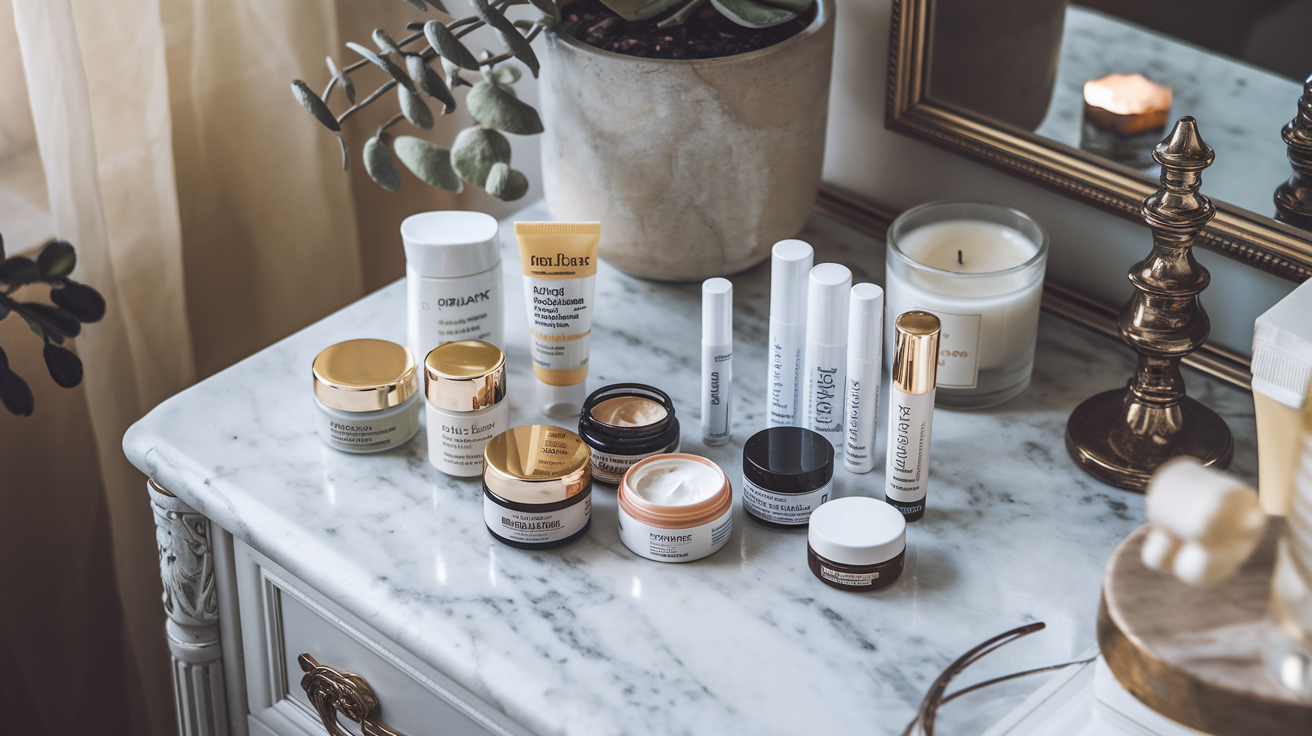
The ingredient list tells the real story. Drugstore eye creams often contain effective actives like retinol, hyaluronic acid, caffeine, niacinamide, and peptides. These ingredients are proven to support skin appearance and can help reduce the look of fine lines over time.
The difference? Concentration and formulation sophistication. High-end brands may use higher percentages of active ingredients or more stable, bioavailable forms. For example, a luxury cream might contain encapsulated retinol that releases slowly to minimize irritation, while a drugstore version uses standard retinol that may feel harsher on delicate under-eye skin.
Luxury formulas also tend to include botanical extracts, ceramides, squalane, and antioxidants like vitamin C or resveratrol. These extras don't always make a dramatic difference, but they can improve skin texture and provide a more luxurious sensory experience.
That said, drugstore brands have stepped up their game. Many now offer fragrance-free, ophthalmologist-tested formulas with clinically studied ingredients at accessible prices. If you're looking for straightforward support for the under-eye area, you don't always need to spend a fortune.
Want to understand which ingredients actually matter for your specific concerns? Check out this affiliate one to help you decode your routine.
Texture and Absorption: Does Price Affect Performance?
Here's where luxury eye creams often shine: texture. High-end formulas are typically lightweight, silky, and absorb quickly without pilling under makeup. They feel elegant on the skin and layer well with other products.
Drugstore eye creams can be hit or miss. Some are rich and emollient, which works well for dry or mature skin but may feel heavy for daytime wear. Others are thin and watery, absorbing fast but leaving little hydration behind.
Texture matters more than you'd think. If an eye cream feels greasy or sticky, you're less likely to use it consistently. And consistency is what leads to smoother-looking skin over time.
Another factor: packaging. Luxury brands often use airless pumps or opaque tubes that protect light-sensitive ingredients like retinol and vitamin C. Drugstore products sometimes come in jars, which expose the formula to air and light every time you open it, potentially degrading active ingredients faster.
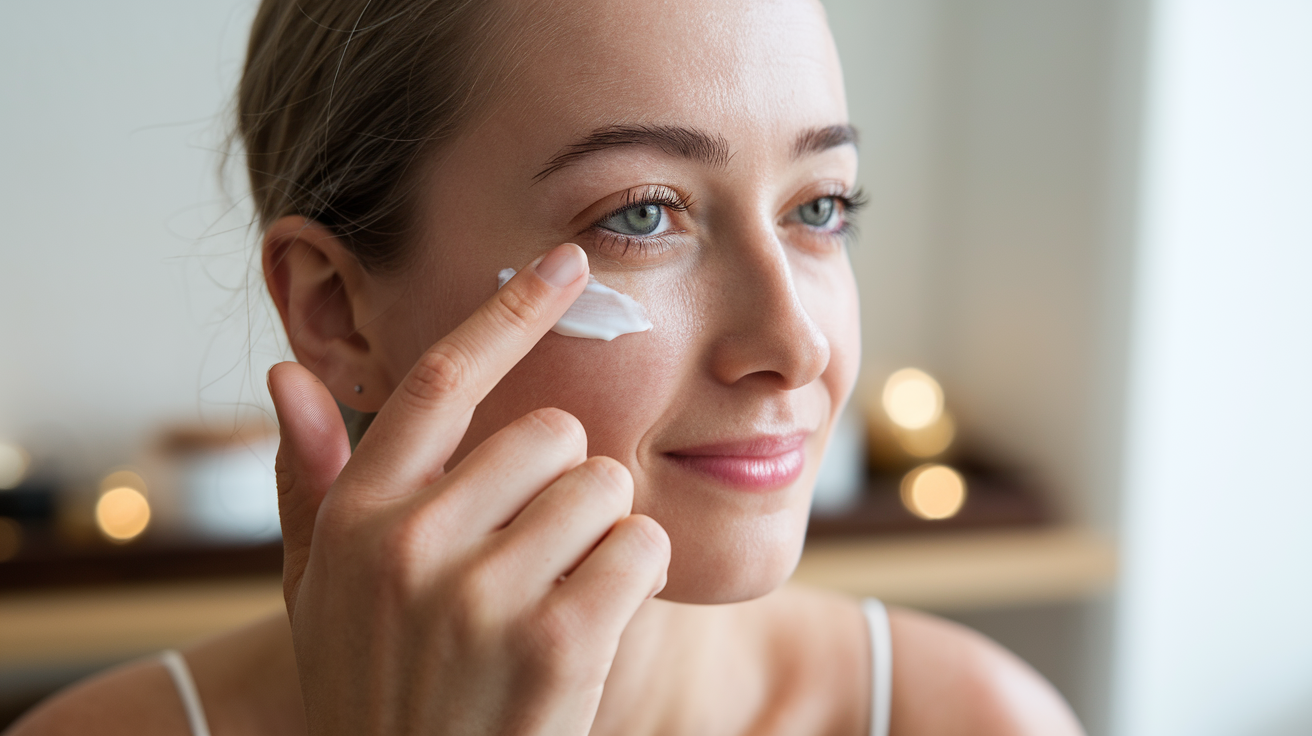
Tired of seeing under-eye lines before you see yourself?
If the tiny creases under your eyes make you look more tired than you feel, this guide shows the simple under-eye routine that helps soften the look of dry lines, crepey texture, and tired skin without guessing or wasting weeks on random products.
Real Results: Before and After Comparisons at Every Price Point
When you look at real-world feedback from users across price ranges, the results are surprisingly mixed. Some people see noticeable improvement in the appearance of fine lines with a $15 retinol eye cream from the drugstore. Others invest in a $180 luxury serum and see similar changes after consistent use.
The key word here is consistent. Whether you spend $10 or $200, you won't see changes overnight. It typically takes 6 to 12 weeks of daily use to notice smoother-looking skin and a less tired appearance around the eyes.
One pattern does emerge: people with sensitive skin often fare better with luxury formulas that use gentler delivery systems and avoid common irritants like fragrance and drying alcohols. Meanwhile, those with resilient skin can often achieve great results with straightforward drugstore options.
Another factor is hydration. Budget eye creams that focus on moisture-binding ingredients like hyaluronic acid and glycerin can temporarily plump the appearance of fine lines, making them less noticeable. High-end creams do the same, but may add a glow or radiance that feels more polished.
The bottom line? Results depend more on the right active ingredients for your skin type and consistent application than on price alone.
When to Splurge and When to Save on Eye Care
So when is it worth spending more? If you have sensitive or reactive skin, a luxury eye cream with clinical testing and gentle formulation can be a smart investment. If you're looking for a specific high-performance ingredient like bakuchiol, growth factors, or advanced peptides, you may need to go higher-end.
Luxury eye creams also tend to offer a more enjoyable experience. If a beautiful texture and subtle scent make you excited to use your skincare every day, that consistency can translate to better results over time.
When can you save? If you're new to active ingredients like retinol or vitamin C, starting with a drugstore option lets you test tolerance without a big financial commitment. If your main goal is hydration and you're not dealing with major texture concerns, a simple moisturizing eye cream from the pharmacy can work perfectly well.
You can also save by pairing a budget eye cream with a targeted serum or treatment. For example, use an affordable hydrating eye cream morning and night, and add a retinol serum a few times a week for added support.
If you're still not sure where to start, this affiliate one breaks down the essentials and helps you build a routine that fits your skin and your budget.
At the end of the day, the best eye cream is the one you'll actually use. Whether that's a cult-favorite luxury formula or a no-frills drugstore staple, consistency and the right ingredients matter more than the price tag. Pay attention to how your skin feels, what it needs, and what fits into your routine without stress or guilt.