Disclosure: This post contains affiliate links. We may earn a commission at no extra cost to you.
Can You Use Regular Face Cream Under Your Eyes? The Truth About Eye Creams
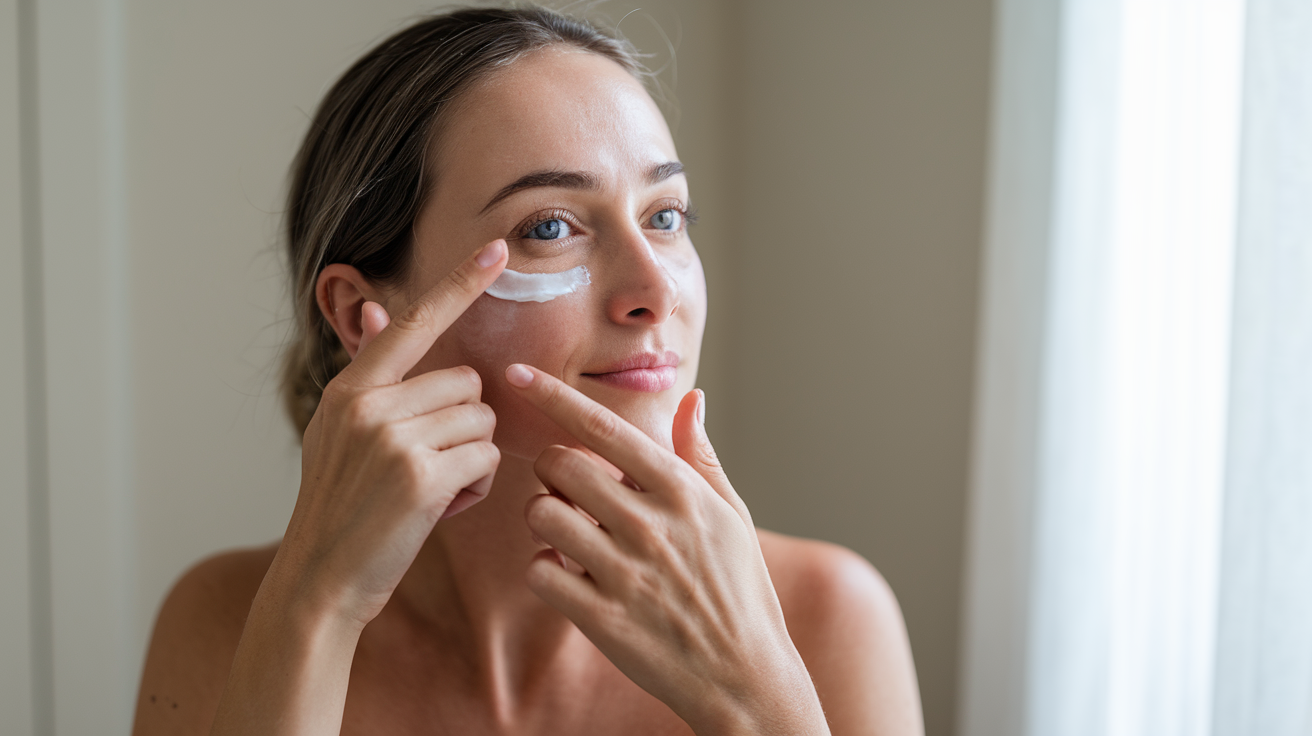
You're standing in front of your bathroom mirror, freshly washed face, and you reach for your favorite moisturizer. Then you pause. Should you swipe it under your eyes too, or is that a skincare sin? Maybe you need a separate eye cream. Or maybe the beauty industry just wants you to buy more products.
The truth is more nuanced than you might think. Sometimes your face cream works just fine under your eyes. Other times, it could irritate that delicate skin or miss what it actually needs. Let's break down what actually matters so you can stop second-guessing every step of your routine.
Why the Under Eye Area is Different From Your Face
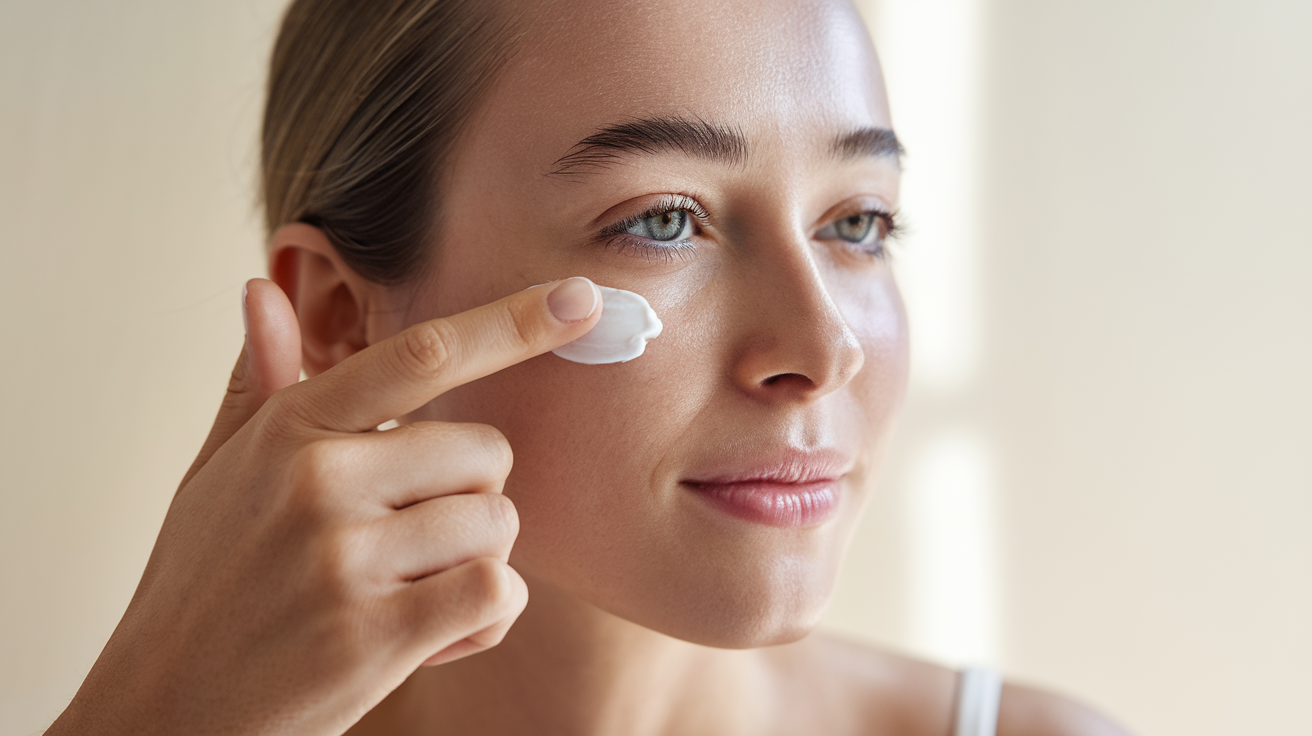
The skin under your eyes is genuinely different from the rest of your face. It's about ten times thinner than the skin on your cheeks. That means less natural cushioning, fewer oil glands, and a quicker path to dryness and fine lines.
Because the under-eye area has fewer sebaceous glands, it doesn't produce as much natural moisture. This is why some face creams that feel perfect on your cheeks might feel too light or absorb too quickly under your eyes, leaving that skin feeling tight by midday.
The thinness also means ingredients penetrate faster here. That can be helpful when you're trying to hydrate deeper layers, but it also means potentially irritating ingredients like strong retinoids or high-percentage acids can cause redness, flaking, or stinging more easily.
And then there's movement. You blink thousands of times a day. You squint. You smile. All that motion creates more opportunity for creasing and breakdown of collagen over time, which is why the under-eye area often shows visible aging earlier than other parts of the face.
What Makes Eye Creams Special (And When They Matter)
Eye creams are typically formulated with this delicate real estate in mind. They tend to be richer, more emollient, and free from certain irritants that might be fine elsewhere on your face but too harsh near your eyes.
Many eye creams also contain targeted ingredients like caffeine to help reduce the appearance of puffiness, peptides to support smoother-looking skin, or light-reflecting particles to brighten the look of dark circles. You won't usually find those in a regular face moisturizer.
If you're dealing with specific under-eye concerns like visible fine lines, a tired appearance, or crepey texture, an eye cream formulated for those issues can make a real difference. The affiliate one can walk you through which ingredients to look for based on what you're actually seeing in the mirror.
Eye creams also tend to have a thicker, more cushioning texture that stays put instead of migrating into your eyes and causing irritation or blurry vision. If you've ever applied a thin serum under your eyes only to have it slide into your lash line an hour later, you know why this matters.
Tired of seeing under-eye lines before you see yourself?
If the tiny creases under your eyes make you look more tired than you feel, this guide shows the simple under-eye routine that helps soften the look of dry lines, crepey texture, and tired skin without guessing or wasting weeks on random products.
When Face Cream Under Eyes Actually Works Fine
Here's the thing: not everyone needs a separate eye cream. If your face moisturizer is gentle, fragrance-free, and rich enough to keep your under-eye area comfortable all day, you may not need another product.
If you're in your twenties or early thirties and not dealing with visible under-eye concerns yet, a good hydrating face cream may be all you need. Your under-eye skin is still relatively resilient, and adding more products just for the sake of it won't prevent aging that hasn't started.
People with naturally oily or combination skin sometimes find that their regular moisturizer works beautifully under the eyes because it's already formulated to be lightweight and non-greasy. Heavier eye creams can feel too rich and lead to milia or that frustrating makeup-sliding situation.
The key is paying attention to how your skin responds. Does your under-eye area feel as hydrated and comfortable as the rest of your face throughout the day? Does your concealer sit smoothly without settling into lines? If yes, you're probably fine without a dedicated eye product.
How to Choose What's Right for Your Skin
Start by looking at your face cream's ingredient list. Avoid using products with strong actives like high-percentage glycolic acid, benzoyl peroxide, or prescription-strength retinoids near your eyes unless specifically directed by a dermatologist. These can cause irritation in such a thin-skinned area.
If your face cream contains fragrance, essential oils, or drying alcohol high on the ingredient list, it's probably not the best choice for under your eyes. That delicate skin reacts more easily, and ingredients that feel fine on your forehead might sting or inflame the eye area.
For those noticing fine lines, dryness, or a crepey look, choosing a product with hydrating and skin-supporting ingredients like hyaluronic acid, ceramides, niacinamide, or gentle peptides can help. The affiliate one breaks down which combinations tend to work best for different skin types and concerns.
Consider your routine timing too. A lighter texture might work well in the morning under makeup, while a richer cream could be better at night when your skin has hours to absorb it without worrying about how your concealer will sit.
And remember: consistency matters more than having the perfect product. Using a gentle, hydrating cream under your eyes every day will do more for the look of your skin than buying an expensive eye cream that sits unused because the texture doesn't work for you.
The bottom line? You don't automatically need a separate eye cream just because the beauty industry says so. But if your face cream isn't keeping your under-eye area as comfortable and smooth-looking as you'd like, or if you're dealing with specific concerns like puffiness or visible lines, a targeted eye product might be worth adding to your routine. Pay attention to what your skin is telling you, and adjust from there.