Disclosure: This post contains affiliate links. We may earn a commission at no extra cost to you.
Can You Use Face Cream Under Your Eyes? What Dermatologists Want You to Know
Published September 20, 2026
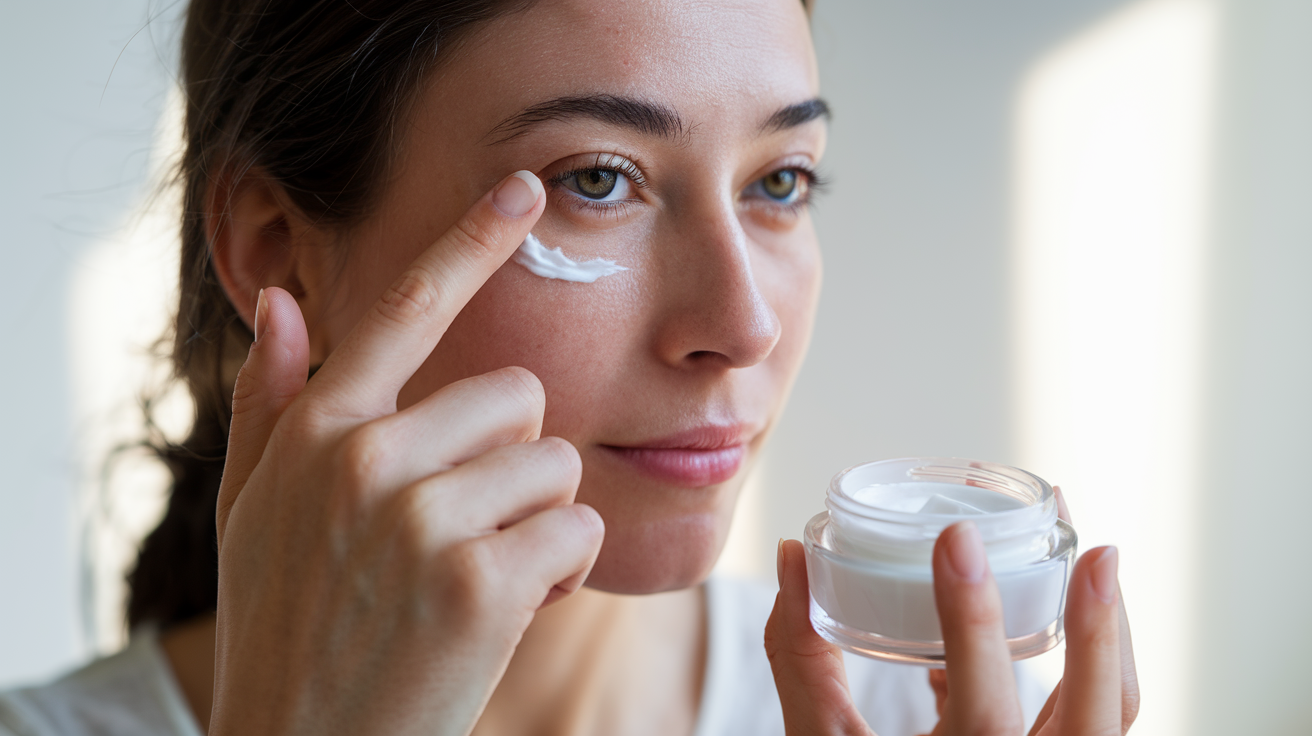
Have you ever reached for your face moisturizer and wondered if you could just swipe it under your eyes too? You're not alone. It's tempting to simplify your routine and use one product everywhere. But the skin around your eyes is thinner and more delicate than anywhere else on your face, and what works on your cheeks might be causing problems you don't even realize.
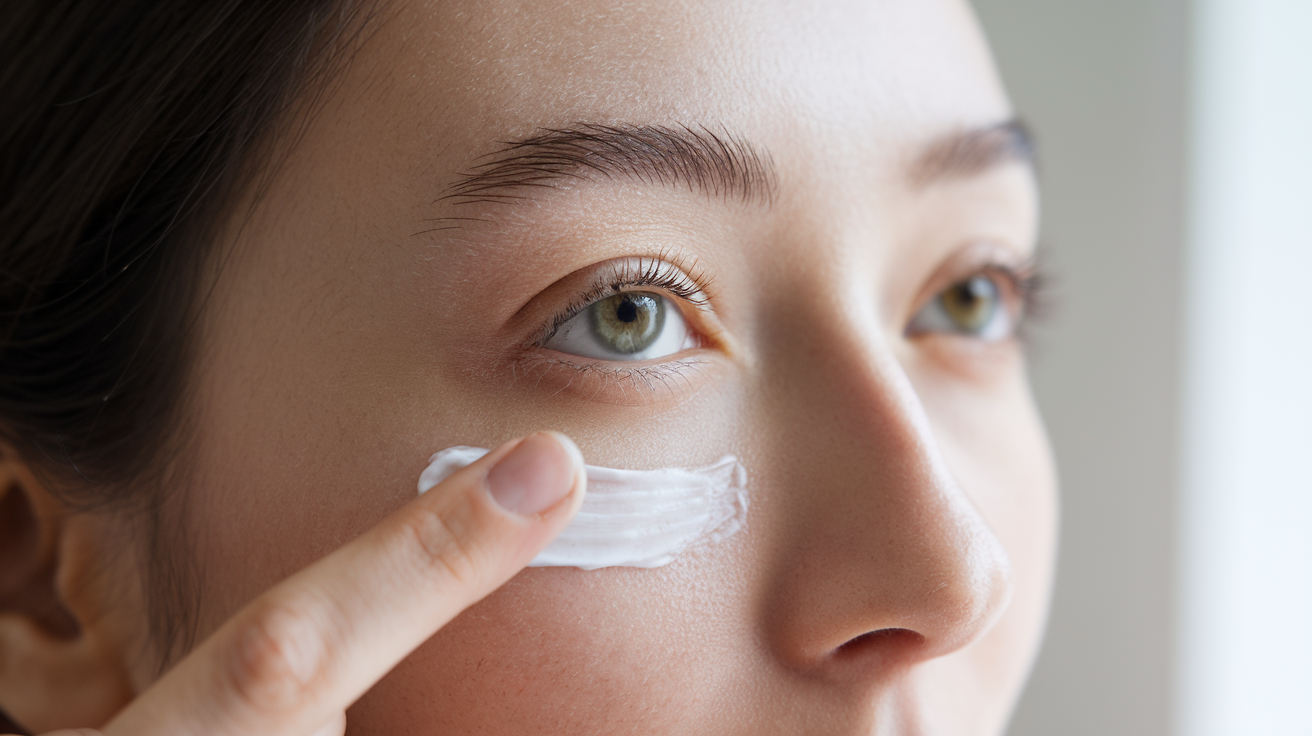
Let's break down the common mistakes people make when using face cream under their eyes, and what dermatologists actually recommend.
Why Face Cream Formulas Are Too Harsh for Delicate Eye Skin
The skin under your eyes is about ten times thinner than the skin on your forehead or cheeks. That means it absorbs ingredients differently and reacts more easily to irritants.
Most face creams are formulated for thicker, more resilient skin. They often contain higher concentrations of active ingredients like retinol, glycolic acid, or vitamin C that can be too strong for the eye area.
When you apply these formulas too close to your eyes, you might notice puffiness, redness, or even increased dryness. The skin can look crepey or develop tiny lines that weren't there before. This happens because the delicate eye area can't handle the same level of exfoliation or stimulation that your cheeks can.
Even rich, emollient face creams can migrate into your eyes overnight, causing irritation or blurry vision in the morning. The consistency that feels luxurious on your face might be too heavy for the thin skin around your eyes.
The pH Balance Problem: Face Creams vs Eye Creams
Here's something most people don't think about: pH levels matter.
Your skin's natural pH sits around 4.5 to 5.5, which is slightly acidic. Face creams often have a lower pH to help with exfoliation and brightening, especially if they contain acids or active anti-aging ingredients.
Eye creams are typically formulated with a more neutral pH to avoid stinging and irritation. The eye area doesn't have the same protective barrier as the rest of your face, so a gentler pH helps prevent inflammation.
Using a face cream with a lower pH under your eyes can disrupt the delicate balance and lead to chronic irritation. You might not feel it immediately, but over time you could notice increased sensitivity, dryness, or a tired appearance that's harder to address.
Tired of seeing under-eye lines before you see yourself?
If the tiny creases under your eyes make you look more tired than you feel, this guide shows the simple under-eye routine that helps soften the look of dry lines, crepey texture, and tired skin without guessing or wasting weeks on random products.
Fragrance and Active Ingredient Concentrations That Cause Irritation
Walk down the skincare aisle and you'll notice most face creams smell pleasant. That's because fragrance is added to improve the sensory experience.
But fragrance, whether synthetic or natural, is one of the top causes of eye area irritation. Essential oils like lavender, citrus, or peppermint might feel soothing on your face but can cause puffiness and redness around your eyes.
Active ingredients are another issue. A 1% retinol cream might be perfect for your forehead, but that same concentration can be way too strong for under-eye skin. Many people unknowingly apply their retinol face cream too close to the eye area and then wonder why they're dealing with flaking, irritation, or increased fine lines.
The same goes for alpha hydroxy acids like glycolic or lactic acid. These ingredients work by breaking down the bonds between dead skin cells, which is great for your cheeks but can be too aggressive for the thin, delicate skin around your eyes.
If you want to learn more about choosing the right formulas for sensitive areas, check out this affiliate one that walks through ingredient concentrations and how to avoid common irritants.
When Face Cream Under Eyes Actually Works (and When It Doesn't)
So is it ever okay to use face cream under your eyes? Sometimes, yes.
If your face cream is fragrance-free, pH-balanced, and doesn't contain strong actives like retinol or acids, it might be gentle enough for the eye area. Look for simple, hydrating formulas with ingredients like hyaluronic acid, ceramides, or niacinamide.
These ingredients support the skin's moisture barrier without causing irritation. If your face cream contains only these gentle, supportive ingredients, you may be able to use it around your eyes without issue.
But if your face cream contains any of the following, keep it away from your eyes:
Retinol or retinoids
Glycolic acid, lactic acid, or salicylic acid
Vitamin C at high concentrations
Fragrance or essential oils
Alcohol or astringent ingredients
Even if you've been using your face cream under your eyes for years without obvious irritation, that doesn't mean it's helping. Chronic low-level irritation can lead to a breakdown in the skin's barrier, making the area look drier, thinner, and more lined over time.
If you're serious about supporting the delicate skin around your eyes, a dedicated eye cream formulated for that specific area is your best option. These products are designed with the right pH, gentler active concentrations, and fragrance-free formulas that work with your skin instead of against it.
For a deeper look at building an effective under-eye routine that doesn't rely on guesswork, this affiliate one offers a clear breakdown of what to use and when.
The skin under your eyes deserves the same care and attention as the rest of your face, maybe even more. Skip the shortcuts and give it what it actually needs.