Disclosure: This post contains affiliate links. We may earn a commission at no extra cost to you.
Can You Use Face Cream Under Your Eyes? Eye Cream vs Face Cream Explained
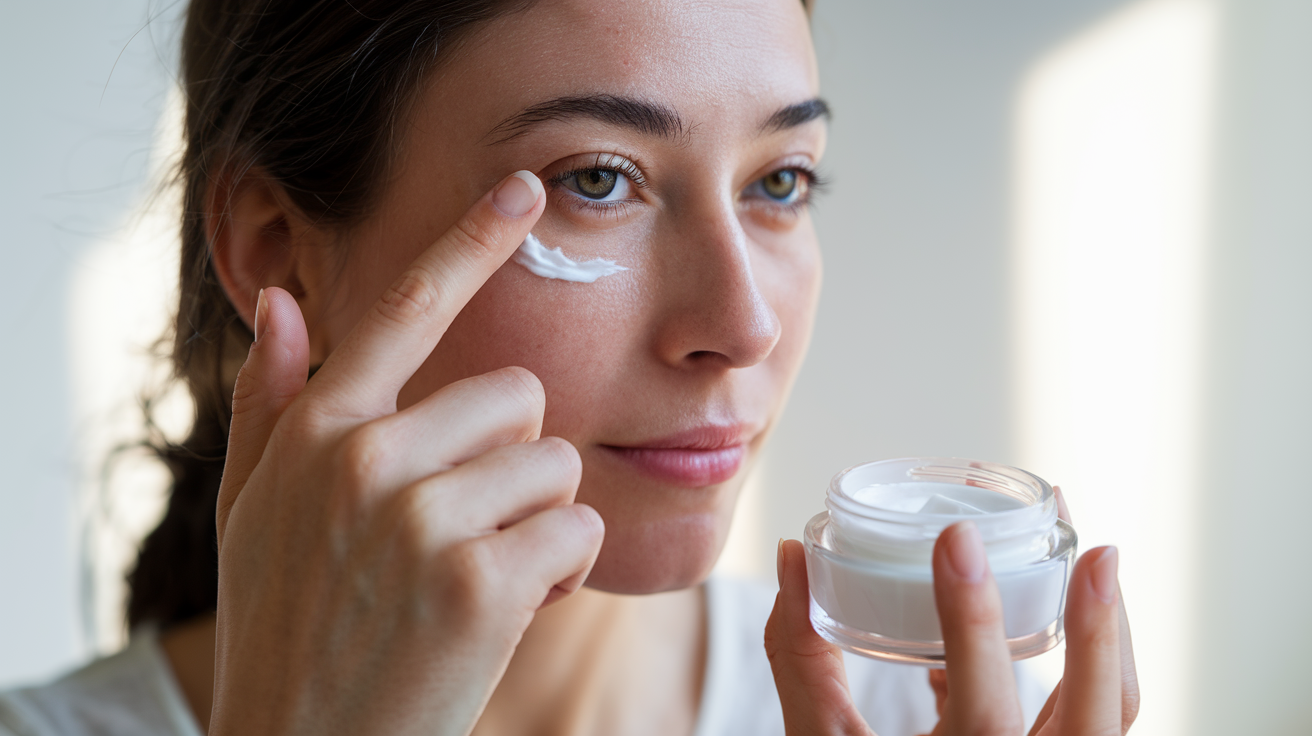
You're standing in front of your bathroom mirror, moisturizer in hand, and you pause. Should you dab that face cream under your eyes? Or do you really need a separate eye cream?
It's a question that comes up constantly in skincare routines. Some people swear by dedicated eye creams, while others think it's just marketing hype. The truth is somewhere in the middle, and understanding the difference can help you make smarter choices for the delicate skin around your eyes.
Why the Eye Area Needs Special Attention
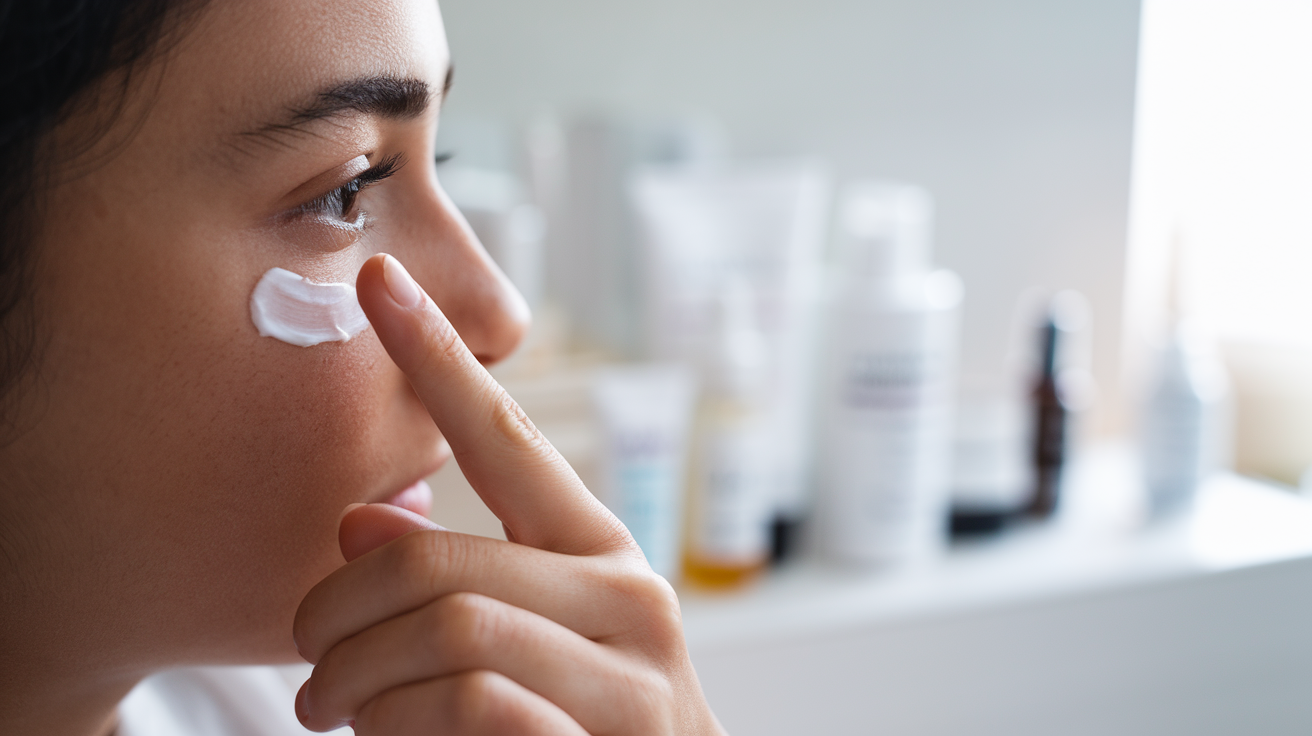
The skin under your eyes is different from the rest of your face in several important ways.
First, it's thinner. The under-eye area has about half the thickness of skin on your cheeks or forehead. That makes it more prone to showing signs of aging like fine lines, crepiness, and dryness.
Second, it moves constantly. Every time you blink, smile, squint, or laugh, that skin flexes and folds. Over time, those repeated movements can contribute to the appearance of crow's feet and smile lines.
Third, it has fewer oil glands. That means the under-eye area doesn't naturally moisturize itself as well as other parts of your face. It can dry out faster and show texture changes more easily.
And finally, it's sensitive. The skin around your eyes can react to ingredients that your forehead or chin handle just fine. Redness, puffiness, and irritation show up more quickly here.
All of this means the eye area benefits from gentler, more targeted care.
Key Differences Between Eye Cream and Face Cream Formulations
Eye creams and face creams might look similar, but they're formulated with different goals in mind.
Eye creams are typically gentler. They avoid strong active ingredients that could irritate the delicate under-eye skin. You won't usually find high concentrations of retinol, acids, or fragrance in a good eye cream.
They're also designed to absorb quickly without leaving a heavy residue. Nobody wants greasy eyelids or makeup that slides off by lunchtime. Eye creams tend to be lightweight and fast-absorbing.
Many eye creams include ingredients specifically chosen for common under-eye concerns. Caffeine can help reduce the appearance of puffiness. Peptides may support smoother-looking skin. Hyaluronic acid helps plump the look of fine lines caused by dryness.
Face creams, on the other hand, are formulated for thicker, more resilient skin. They often contain higher concentrations of active ingredients like retinoids, AHAs, BHAs, or stronger antioxidants. These can be too intense for the eye area.
Face creams also tend to be richer and heavier, especially if they're designed for nighttime use or very dry skin. That texture can feel uncomfortable around the eyes and may even migrate into your eyes while you sleep, causing irritation.
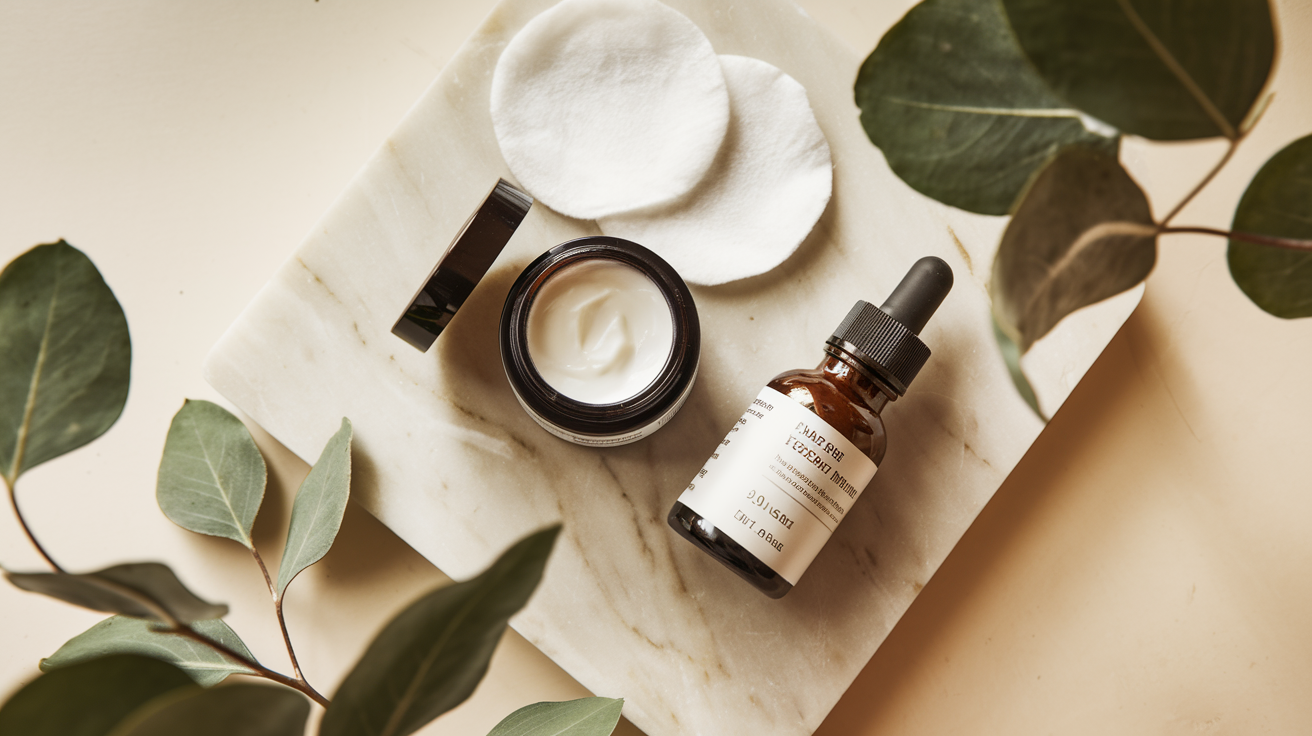
What Happens When You Use Face Cream Under Your Eyes
So what actually happens if you swipe your face cream under your eyes?
It depends on the formula.
If your face cream contains potent actives like retinol, vitamin C at high percentages, or exfoliating acids, you might experience redness, stinging, or flaking. The thin skin under your eyes simply can't handle the same strength as the rest of your face.
If your face cream has fragrance, essential oils, or alcohol high on the ingredient list, you could see puffiness or irritation. These ingredients are common sensitizers, and the eye area reacts faster.
Heavy face creams can also cause milia, those tiny white bumps that form when skin cells get trapped under the surface. The eye area is especially prone to milia because the skin is so thin and renews itself more slowly.
And if the cream migrates into your eyes overnight, you might wake up with blurry vision, redness, or watery eyes. Not a great start to the day.
That said, some people use their face cream around their eyes without any problems. It really comes down to the specific formula and your skin's sensitivity.
Tired of seeing under-eye lines before you see yourself?
If the tiny creases under your eyes make you look more tired than you feel, this guide shows the simple under-eye routine that helps soften the look of dry lines, crepey texture, and tired skin without guessing or wasting weeks on random products.
When Face Cream Might Be Okay (And When It's Not)
There are times when using your face cream under your eyes is perfectly fine.
If your face cream is gentle, fragrance-free, and designed for sensitive skin, it's probably safe to use around your eyes. Look for simple, hydrating formulas with ingredients like ceramides, glycerin, niacinamide, or squalane.
If you have resilient skin that doesn't react easily, you might be able to get away with using a mild face moisturizer under your eyes, especially if you're in your twenties or early thirties and don't have specific under-eye concerns yet.
But there are clear situations when you should skip the face cream around your eyes.
Avoid it if your face cream contains retinol, retinoids, or prescription-strength actives unless your dermatologist has specifically told you to use it there. These ingredients can be too strong for the eye area and cause irritation or dryness.
Skip it if your face cream has acids like glycolic, lactic, or salicylic acid. These exfoliants can sting and cause redness around the eyes.
Don't use face cream under your eyes if it has fragrance, essential oils, or a thick, greasy texture. All of these increase the risk of irritation or milia.
And if you have specific under-eye concerns like puffiness, dark circles, or visible fine lines, a targeted eye cream will serve you better. Face creams just aren't designed to address those issues.
How to Choose the Right Eye Cream for Your Concerns
If you've decided to add an eye cream to your routine, here's how to pick one that actually works for your needs.
For fine lines and crepey texture, look for eye creams with peptides, hyaluronic acid, or gentle retinol formulas designed specifically for the eye area. These ingredients help support smoother-looking skin and hydration.
For puffiness, choose eye creams with caffeine or cooling applicators. Caffeine can help reduce the appearance of swelling, and a metal rollerball tip feels soothing on tired eyes.
For dark circles, seek out eye creams with vitamin C, niacinamide, or light-reflecting pigments. While no cream can completely change the appearance of genetic dark circles, these ingredients may help brighten the look of the under-eye area over time.
For dryness, go for rich, nourishing formulas with shea butter, ceramides, or squalane. These ingredients help lock in moisture and create a protective barrier on delicate skin.
And if you want a comprehensive approach to under-eye care, check out this affiliate one that walks you through building a complete routine tailored to your specific concerns.
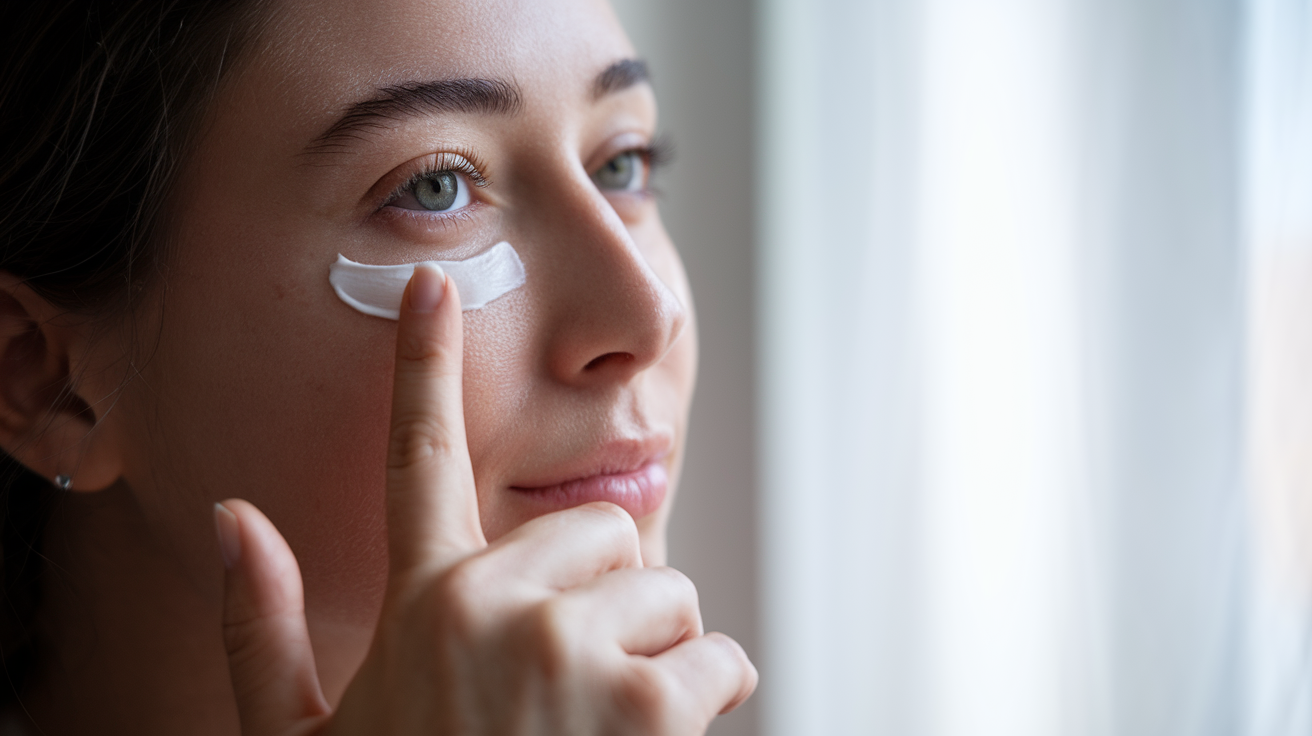
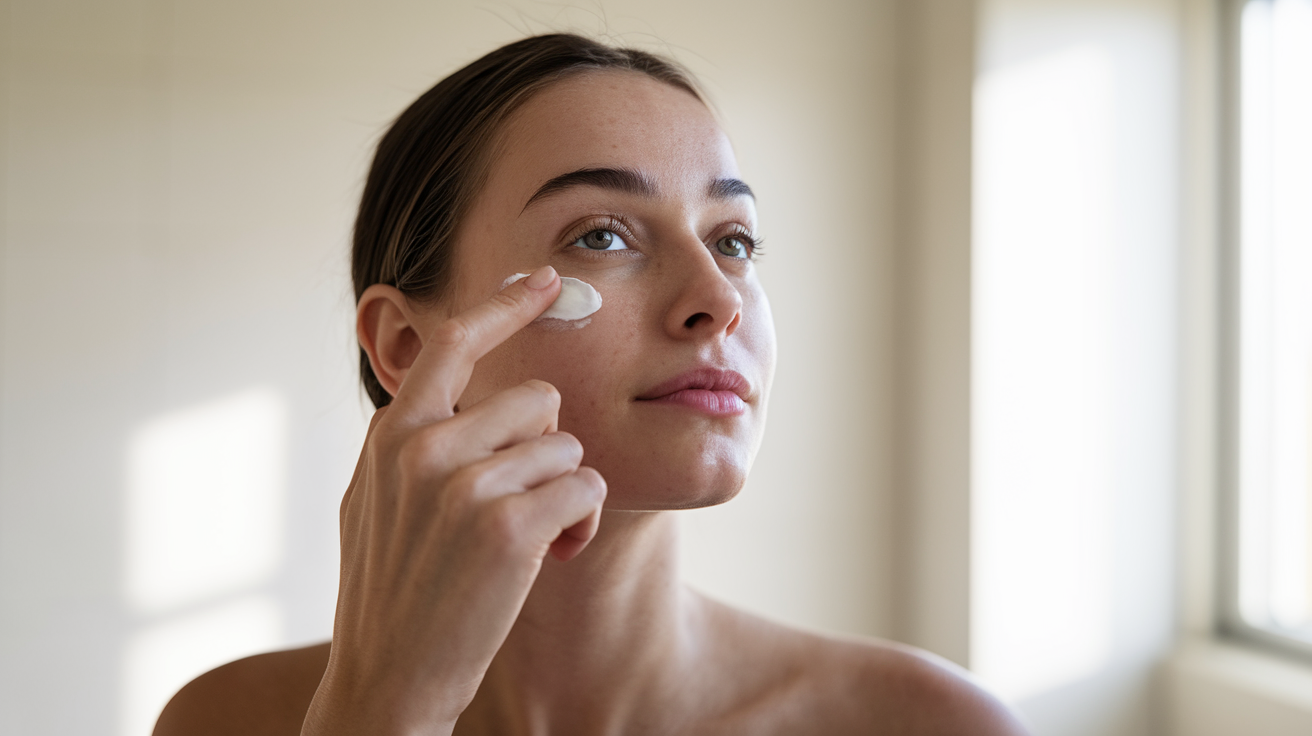
When you apply eye cream, use your ring finger to gently pat it around the orbital bone. Don't rub or pull at the skin. A little goes a long way, and you only need a pea-sized amount for both eyes.
Apply it morning and night after cleansing and before heavier moisturizers. If you're using multiple serums or treatments, eye cream typically goes on after lightweight serums but before face cream.
And remember, consistency matters more than expensive products. A simple, well-chosen eye cream used daily will do more for the look of your under-eye area than a luxury product that sits unused in your drawer.
The bottom line? You don't absolutely need an eye cream, but if you have concerns about the delicate skin around your eyes, a targeted formula can make a real difference. And if you choose to stick with face cream, just make sure it's gentle enough for that sensitive area.
For more detailed guidance on choosing the right products and building an effective under-eye routine, this affiliate one offers step-by-step help without the guesswork.