Disclosure: This post contains affiliate links. We may earn a commission at no extra cost to you.
Can You Use Face Cream on Your Eyes? The Truth About Eye Cream Necessity
Published October 17, 2026
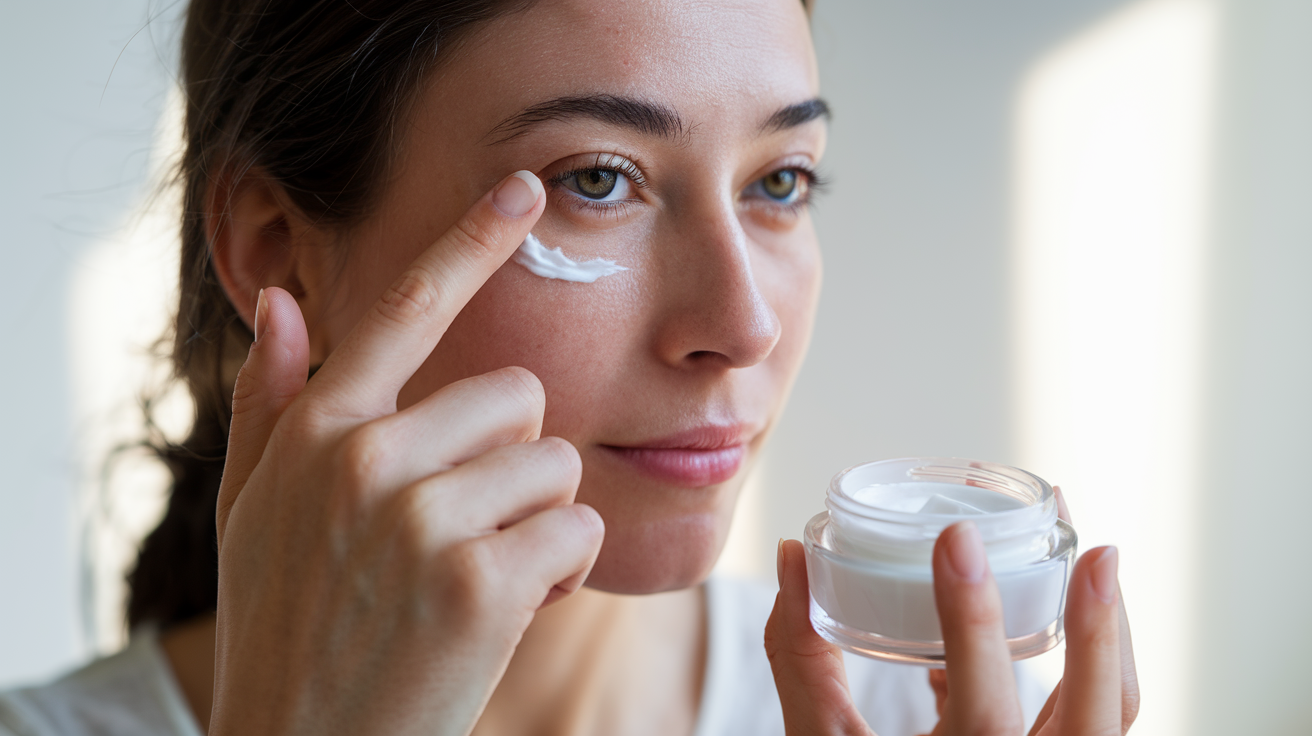
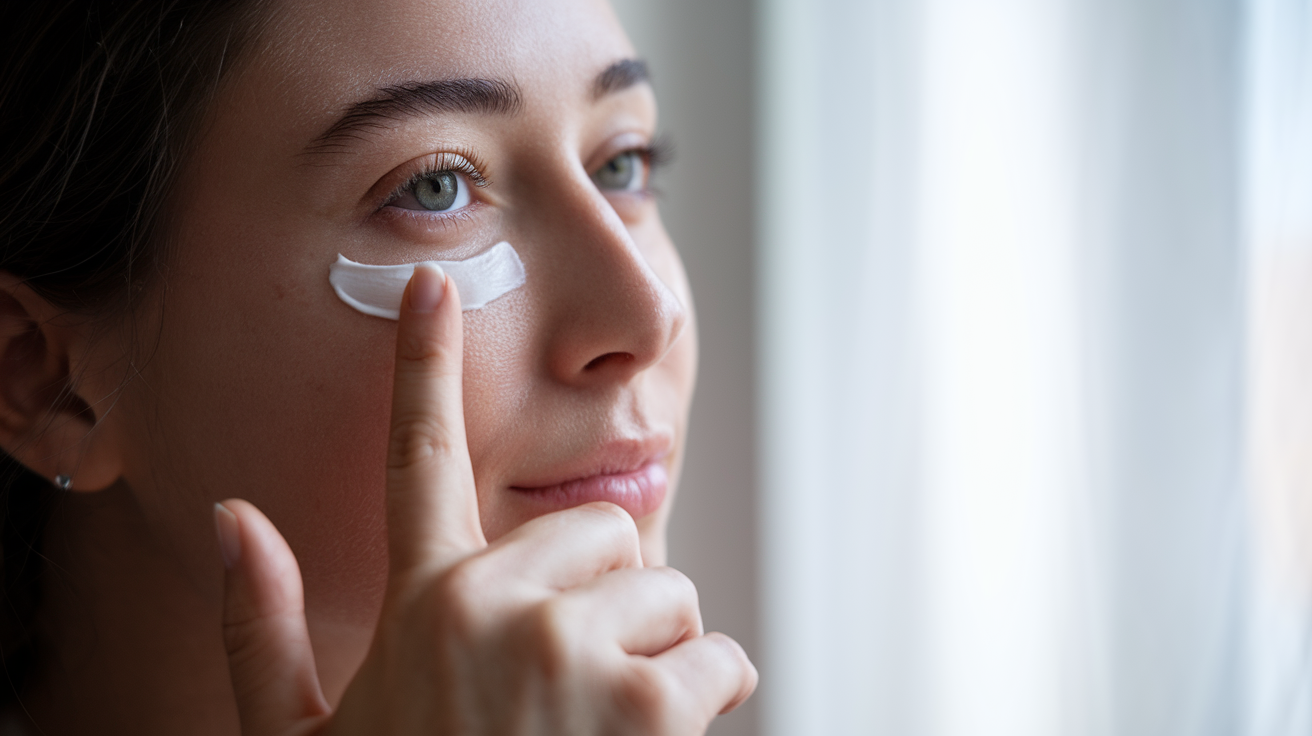
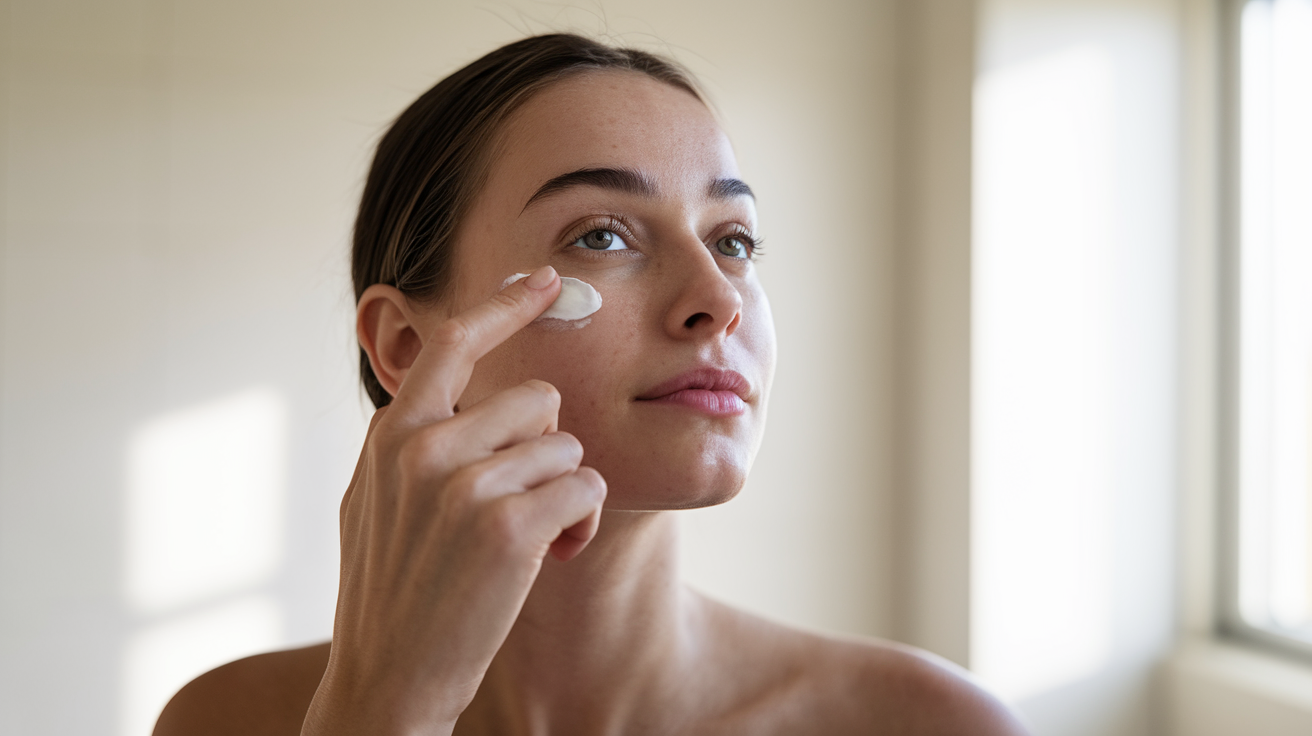
Have you ever wondered if eye cream is just another marketing gimmick? Maybe you've stood in the skincare aisle, looking at those tiny jars with big price tags, thinking your regular face cream could do the same job. It's a fair question—and one that deserves a real answer.
The truth is more nuanced than a simple yes or no. While some face creams can be used around the eyes safely, others can cause irritation, puffiness, or even make fine lines look more noticeable. Understanding what makes eye skin different—and what ingredients to watch for—can help you make smarter choices without wasting money on products you don't actually need.
Why Eye Skin Differs From Face Skin
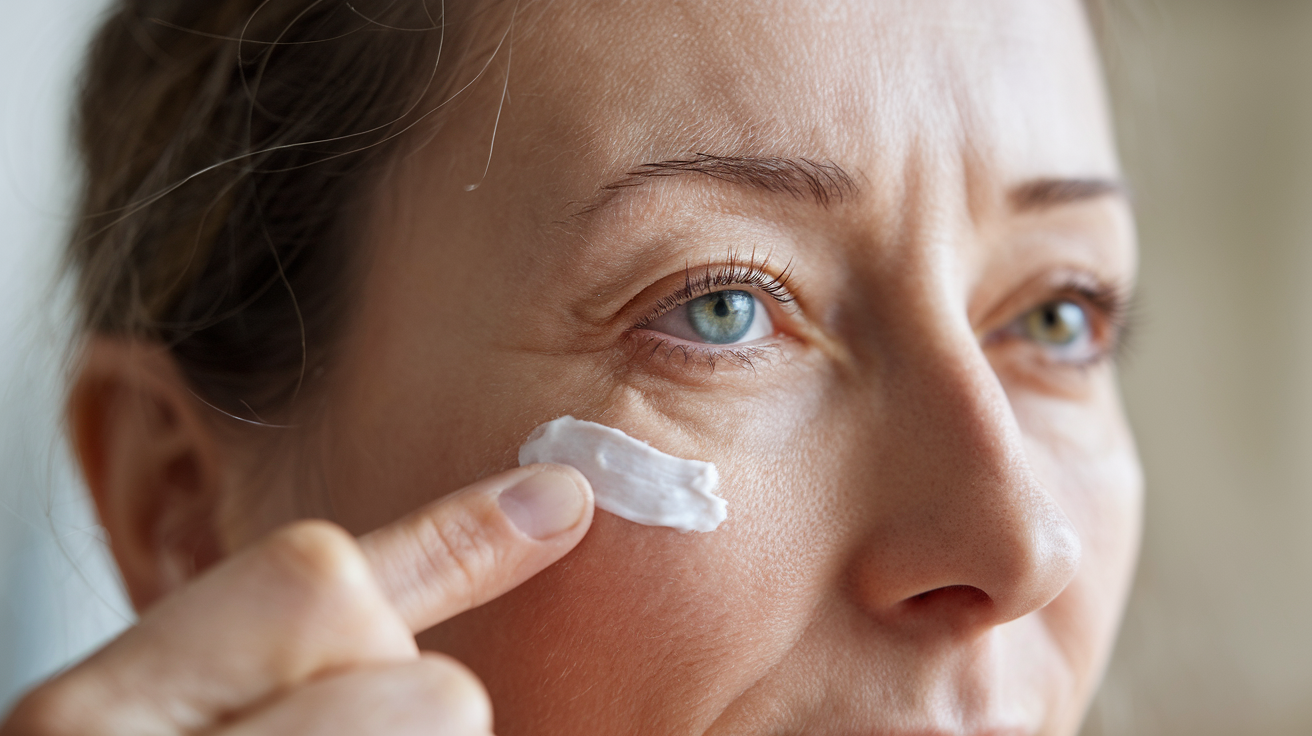
The skin around your eyes is fundamentally different from the rest of your face. It's about 40% thinner, which means it has fewer oil glands and less natural cushioning. This delicate tissue shows signs of aging faster because it's constantly moving—you blink around 15,000 to 20,000 times per day.
This thinner skin also means the under-eye area is more prone to dryness and sensitivity. Ingredients that work beautifully on your cheeks might be too harsh for the eye zone. The lack of sebaceous glands means this area can't produce as much natural moisture, making it more vulnerable to dehydration and the appearance of fine lines.
Another key difference? The eye area has a weaker skin barrier. This makes it more reactive to fragrances, essential oils, and active ingredients that your forehead can handle without issue. That's why some people experience stinging, redness, or watering eyes when they apply their regular face cream too close to the lash line.
Blood vessels are also closer to the surface around the eyes, which is why dark circles and puffiness show up so easily. Formulas designed for this area often include ingredients that address these specific concerns, while face creams typically focus on texture, tone, and hydration for thicker skin.
Key Ingredient Differences Between Eye and Face Creams
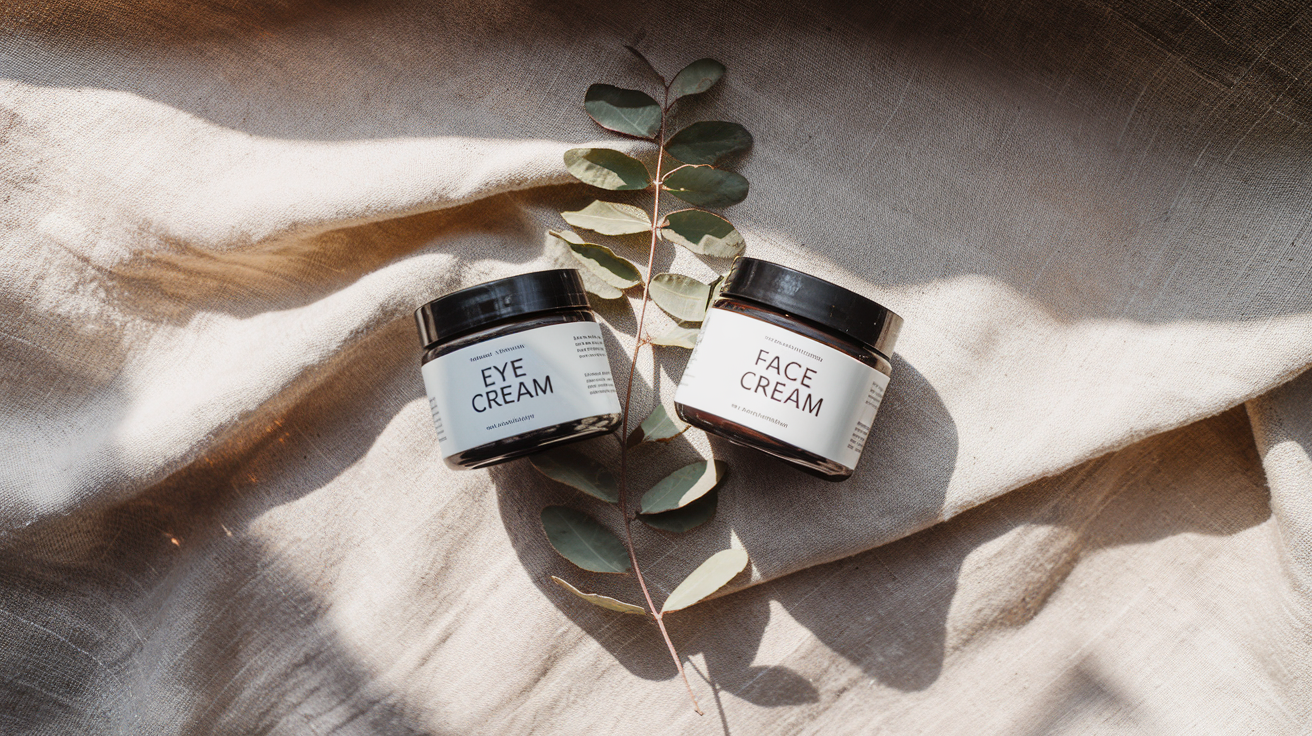
Eye creams and face creams aren't just different in packaging—they're formulated with distinct ingredient profiles. Face creams often contain higher concentrations of active ingredients like retinol, alpha hydroxy acids, or vitamin C. These can be effective on resilient facial skin but may cause irritation when used around the eyes.
Eye creams typically use gentler versions of these actives or lower percentages. For example, you might find retinyl palmitate or bakuchiol in an eye cream instead of pure retinol. These alternatives can help support a smoother-looking under-eye area without the sensitivity that stronger retinoids can cause.
Fragrance is another major difference. Many face moisturizers include synthetic or natural fragrances that can irritate the sensitive eye area. Eye creams are more likely to be fragrance-free or use only minimal scenting agents placed further down the ingredient list.
You'll also notice that eye creams often include peptides, caffeine, or light-reflecting particles. Peptides may help support skin texture over time. Caffeine can temporarily reduce the appearance of puffiness. Light-reflecting minerals help blur the look of shadows and fine lines, giving a more awake appearance—something face creams don't typically prioritize.
Texture matters too. Eye creams are usually lighter and absorb faster to work well under makeup. Face creams can be richer and take longer to sink in, which might cause your concealer to slip or settle into creases if applied around the eyes.
Tired of seeing under-eye lines before you see yourself?
If the tiny creases under your eyes make you look more tired than you feel, this guide shows the simple under-eye routine that helps soften the look of dry lines, crepey texture, and tired skin without guessing or wasting weeks on random products.
When Face Cream Can Damage Your Eye Area
Using face cream around your eyes isn't always harmful, but certain ingredients can cause real problems. Retinol is the most common culprit. While it's excellent for supporting smoother-looking skin on your face, it can be too strong for the eye area—especially if you're new to using it or have sensitive skin.
If you apply a retinol face cream near your eyes, you might notice redness, flaking, or increased sensitivity to sunlight. In some cases, the skin can look more crepey temporarily as it adjusts. This doesn't mean permanent damage, but it can make the under-eye area look worse before it looks better—and that adjustment period can last weeks.
Alpha hydroxy acids like glycolic acid and lactic acid can also be problematic. These exfoliating ingredients work by loosening dead skin cells, but around the eyes, they can cause stinging and irritation. If the product migrates into your eyes (which happens easily with creams), you'll feel it immediately.
Essential oils are another hidden issue. Ingredients like peppermint oil, eucalyptus, or citrus oils might feel refreshing on your face, but they can cause the eyes to water, turn red, or feel uncomfortable. Even if you don't apply the cream directly on your eyelids, oils can transfer when you rub your eyes or sleep on your pillow.
Heavy occlusives like petrolatum or thick silicones can also cause problems. While these ingredients lock in moisture beautifully on the face, they can lead to milia—small white bumps that form when dead skin cells get trapped under the surface. The eye area is particularly prone to milia because the skin is so thin and doesn't shed cells as efficiently.
Even if your face cream doesn't contain these specific ingredients, using too much product or applying it too close to the lash line can lead to puffy eyes in the morning. Excess product can interfere with lymphatic drainage, making fluid retention more noticeable when you wake up. For more detailed guidance on affiliate one, understanding your specific skin needs can make a real difference.
How to Choose the Right Eye Cream for Your Needs
If you've decided an eye cream is worth adding to your routine, choosing the right one depends on your specific concerns. For dry, crepey-looking skin, look for ingredients like hyaluronic acid, ceramides, and squalane. These help attract and seal in moisture without feeling heavy.
If puffiness is your main issue, caffeine-infused formulas can help temporarily reduce the appearance of swelling. Applying a cool eye cream in the morning can also feel refreshing and make the area look less tired. Just remember that puffiness can also be related to sleep, diet, and allergies—topical products can only do so much.
For dark circles, it depends on the cause. If they're caused by thin skin showing blood vessels, look for brightening ingredients like niacinamide or light-reflecting minerals. If they're from pigmentation, gentle vitamin C formulas designed for the eye area may help over time. But if your circles are structural (due to bone structure or natural shadows), even the best eye cream won't make them disappear.
Fine lines benefit from gentle peptides, antioxidants, and lightweight hydrators. Avoid anything too heavy that might settle into creases or make makeup look cakey. Pat the product on gently rather than rubbing—tugging at this delicate skin can make lines look more pronounced over time.
Consider texture based on when you'll use it. Gel formulas absorb quickly and work well under makeup. Cream textures provide more nourishment for nighttime. If you wear contact lenses or have particularly sensitive eyes, look for ophthalmologist-tested formulas to minimize the risk of irritation.
Finally, give any new eye product at least four to six weeks before deciding if it's working. The eye area shows changes slowly, and results are usually subtle—a softer texture, less noticeable dryness, or a slightly more rested appearance. For additional support in building an effective routine, check out affiliate one for step-by-step help.
The bottom line? You don't always need a separate eye cream, but if you experience sensitivity, dryness, or specific concerns around the eyes, a targeted formula can make a difference. Choose based on your actual needs, not just marketing claims, and pay attention to how your skin responds.