Disclosure: This post contains affiliate links. We may earn a commission at no extra cost to you.
Are Expensive Eye Creams Worth It? 7 Price Point Comparisons That Matter
Published September 16, 2026
You're standing in front of the eye cream section, staring at two jars. One costs $12. The other costs $240. They both promise smoother-looking under-eyes. You wonder if the expensive one is actually twenty times better, or if you're just paying for fancy packaging and a designer logo.
Let's dig into what actually separates a drugstore eye cream from a luxury formula, and whether the price tag reflects real skin benefits or just marketing magic.
The Real Cost Breakdown: What You're Actually Paying For
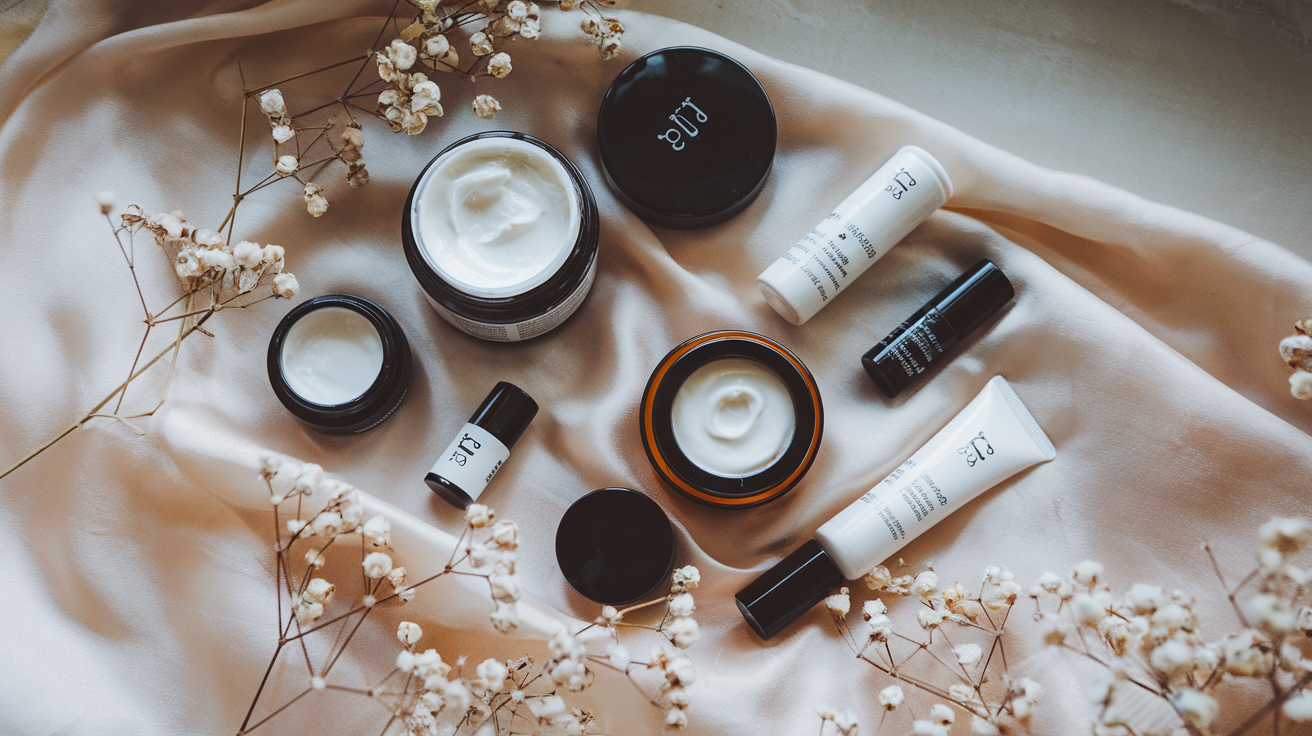
When you buy a $200 eye cream, you're not paying $200 for the ingredients inside the jar. You're covering packaging design, clinical studies, brand prestige, retail markups, advertising campaigns, and yes, some formulation expertise.
Luxury brands often spend millions on sleek airless pump bottles, gold-trimmed jars, and cushion applicators. Drugstore brands use simpler tubes and basic twist-off caps. The actual product inside might contain similar active ingredients, but the delivery system and stability technology can differ.
Marketing budgets also drive up costs. That celebrity endorsement, glossy magazine spread, and department store counter space all get baked into the final price. A $15 drugstore cream sold at a pharmacy doesn't carry those overhead costs.
Understanding this breakdown helps you decide what matters most to you: the experience of using a luxury product, or the functional benefits of active ingredients at any price point.
Drugstore vs Designer: Ingredient Quality Analysis
Here's where it gets interesting. When you compare ingredient lists side by side, drugstore and designer eye creams often share the same active players: retinol, peptides, hyaluronic acid, vitamin C, caffeine, and niacinamide.
The difference usually comes down to concentration, formulation technology, and ingredient purity. A luxury brand might use a patented peptide complex at a higher percentage, while a drugstore version uses a generic peptide blend at a lower dose.
Some high-end brands also invest in encapsulation technology, which helps sensitive ingredients like retinol stay stable and penetrate skin more effectively. Budget formulas may skip this step, which can affect how well the product performs over time.
That said, plenty of affordable eye creams use effective concentrations of proven ingredients. You just need to read labels carefully and know what to look for. If you're new to identifying quality formulas, this affiliate one can help you decode what really matters for under-eye skin.
Tired of seeing under-eye lines before you see yourself?
If the tiny creases under your eyes make you look more tired than you feel, this guide shows the simple under-eye routine that helps soften the look of dry lines, crepey texture, and tired skin without guessing or wasting weeks on random products.
Mid-Range Winners: The Sweet Spot for Anti-Aging Results
If you're looking for quality without the luxury markup, mid-range eye creams between $30 and $70 often deliver the best balance. These brands invest in solid formulations and proven ingredients without the designer price tag.
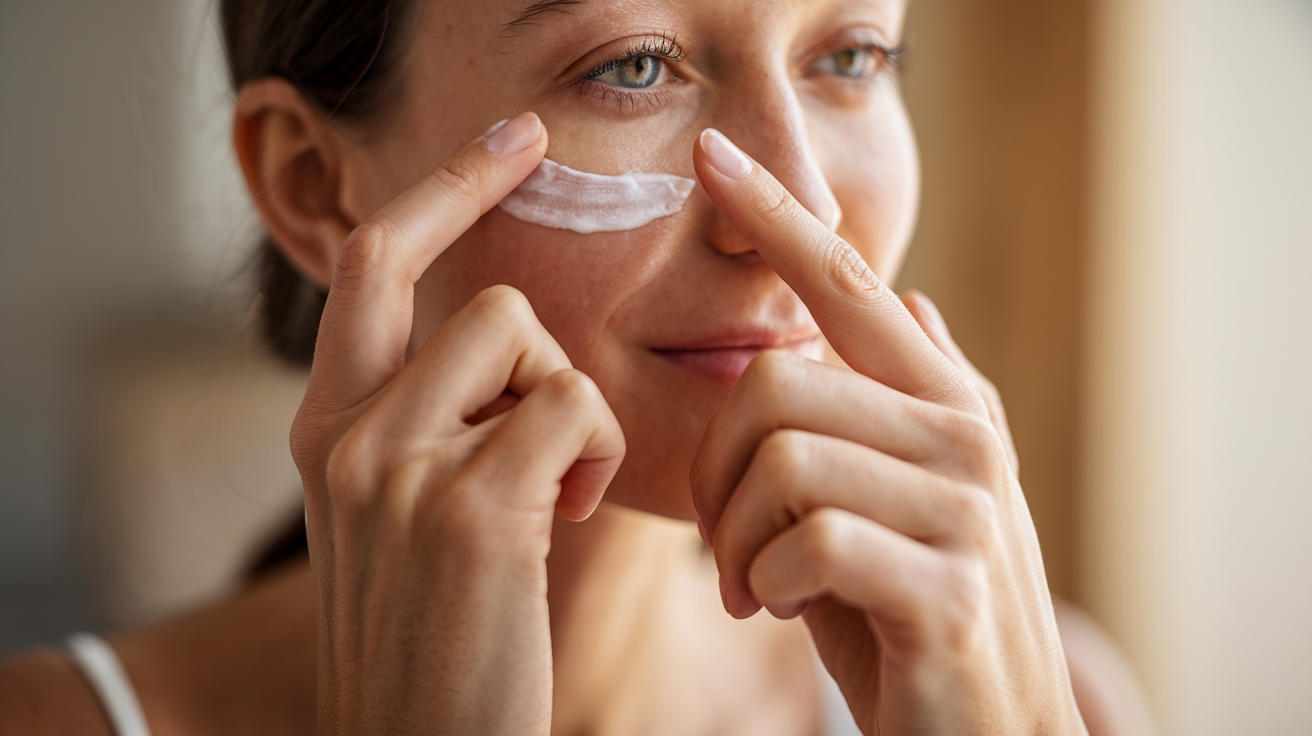
Brands like CeraVe, The Ordinary, Paula's Choice, and The Inkey List offer targeted eye treatments with clinical-grade actives at accessible prices. You'll find retinol eye creams for under $20 and peptide serums for around $15 that actually contain meaningful concentrations.
At the higher end of mid-range, brands like SkinCeuticals, Drunk Elephant, and Dermalogica use research-backed formulas with multiple active ingredients. A $60 eye cream from this category often performs as well as a $150 luxury option, minus the velvet box and silk ribbon.
The key is knowing which actives work for your specific concern. Caffeine helps with puffiness. Retinol supports smoother-looking texture. Peptides may help with firmness over time. Hyaluronic acid plumps and hydrates. Choose based on your primary goal, not just the prettiest jar.
Luxury Eye Creams: When Premium Ingredients Justify the Price
Sometimes, expensive eye creams do offer something you can't find at the drugstore. Rare botanicals, proprietary peptide blends, stabilized vitamin C formulas, and advanced delivery systems can make a difference for certain skin types.
Luxury brands like La Mer, Augustinus Bader, and SK-II use exclusive ingredients and years of research to develop unique formulas. If you have very sensitive skin or have tried countless products without success, a high-end formula with gentler actives might be worth testing.
The sensory experience also matters. If applying a beautifully textured cream in elegant packaging makes you consistent with your routine, that ritual has value. Consistency beats perfection when it comes to anti-aging skincare.
But if you're on a budget or just starting out, don't feel pressured to invest in luxury. Many dermatologists use and recommend affordable options for their own routines.
Generic Dupes vs Name Brands: Scientific Testing Results
The dupe trend has exploded, with influencers claiming certain drugstore creams are identical to luxury formulas. While some dupes share similar ingredient lists, identical doesn't mean equal.
Third-party testing has shown that even when two products contain the same actives, the percentages, pH levels, and supporting ingredients can vary dramatically. A generic retinol cream might irritate skin more than a name-brand version with soothing buffers built in.
That said, some dupes genuinely perform well. Look for products that list active ingredients high on the label, include stabilizing agents, and come from reputable brands with transparent formulation practices.
If you're curious about testing dupes versus originals, consider this affiliate one that walks through ingredient analysis and realistic expectations for under-eye treatments at every price point.
Price Per Application: The True Value Calculator
A $150 eye cream sounds outrageous until you calculate the cost per use. Most eye creams last three to six months with twice-daily application. That $150 jar breaks down to about $1 per day, while a $20 cream costs roughly 13 cents per application.
But here's the catch: cheaper creams often come in smaller tubes or require more product per application. A luxury cream with a richer texture might need just a rice grain amount, while a thinner drugstore formula requires twice as much to feel effective.
Do the math based on how much product you actually use and how long the container lasts. Sometimes the mid-range option ends up being the best value when you factor in longevity and performance.
Also consider whether you're layering multiple products. If you're using a separate serum, moisturizer, and sunscreen around your eyes, a simple affordable eye cream might be all you need to complete the routine without redundancy.
Budget-Friendly Alternatives That Dermatologists Actually Recommend
Dermatologists consistently recommend certain affordable eye creams that deliver results without the luxury markup. These products contain proven ingredients at effective concentrations and skip the filler.
Look for formulas with retinol, which supports smoother-looking skin texture over time. Start with a low percentage if you're new to retinol, and always use sunscreen during the day since retinol can increase sun sensitivity.
Caffeine-based eye creams help reduce the appearance of puffiness and can make tired eyes look more awake. Hyaluronic acid products plump fine lines temporarily by drawing moisture into skin. Niacinamide helps with uneven tone and supports the skin barrier.
Many dermatologists also suggest using a gentle face moisturizer around the eyes if it's fragrance-free and ophthalmologist-tested. You don't always need a separate eye product, especially if you're already using effective serums and creams on the rest of your face.
The bottom line: expensive eye creams can be worth it if you value the experience, unique ingredients, or have specific sensitivities that require gentler formulations. But plenty of budget and mid-range options deliver visible support for smoother, less tired-looking eyes without breaking the bank.
Choose based on your skin's needs, your budget, and which actives matter most for your concerns. Sometimes the best eye cream is simply the one you'll use consistently, morning and night, regardless of price.