Disclosure: This post contains affiliate links. We may earn a commission at no extra cost to you.
Affordable Eye Creams That Actually Work: Budget-Friendly Anti-Aging Options Under $30
Are you convinced you need to spend a fortune to see smoother-looking skin around your eyes? Think again. While luxury eye creams sit in beautiful jars with fancy price tags, plenty of affordable options deliver real ingredients that can help soften the look of fine lines, reduce the appearance of puffiness, and keep the delicate eye area hydrated without draining your wallet.
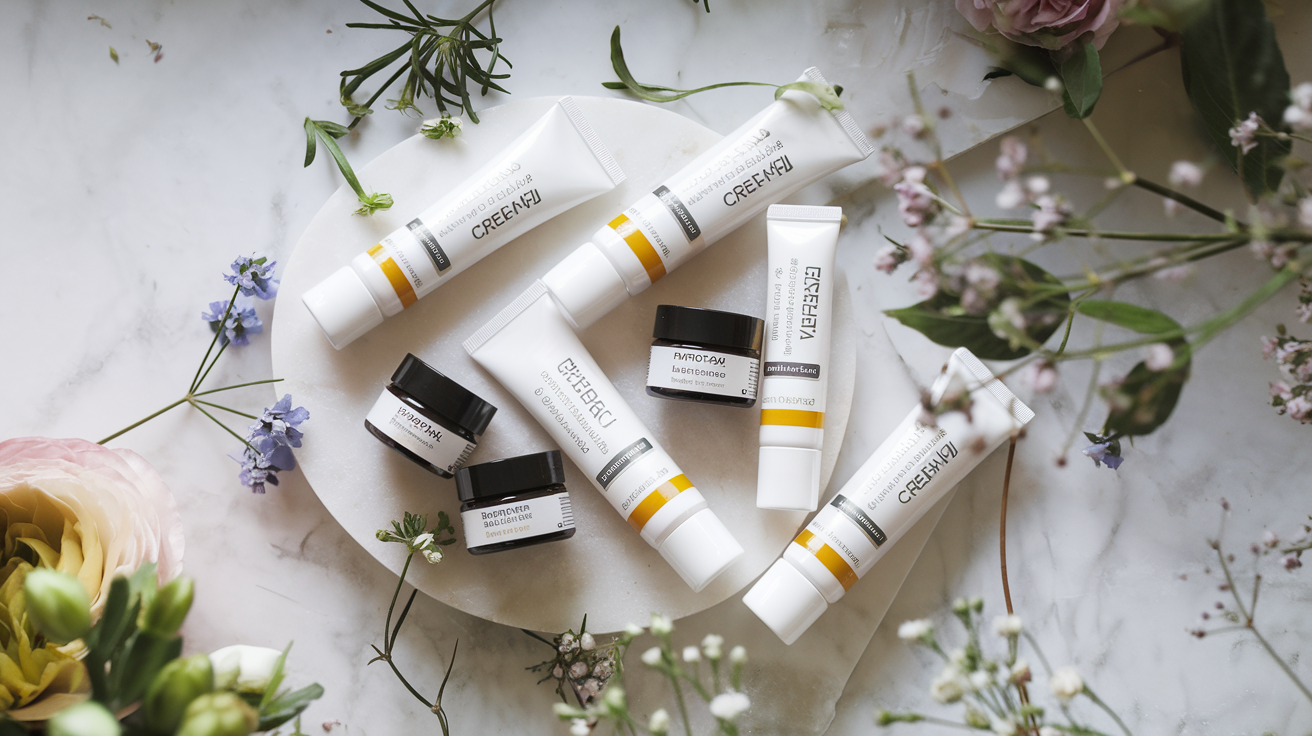
The truth is, expensive doesn't always mean effective. Many dermatologists recommend budget-friendly eye creams to their patients because what matters most isn't the price—it's the ingredient list. Let's explore why you don't need to break the bank for less tired-looking eyes and which affordable options are worth trying.
Why Expensive Doesn't Always Mean Better for Eye Creams
The skincare industry wants you to believe that higher prices equal better results, but that's not how skincare science works. What you're often paying for in luxury eye creams is packaging, marketing, and brand prestige—not necessarily superior formulations.
Many drugstore brands use the same key ingredients found in high-end products. Retinol is retinol whether it costs $15 or $150. Hyaluronic acid works the same way regardless of price point. Caffeine helps reduce the appearance of puffiness whether it comes from a luxury boutique or your local pharmacy.
The real difference often comes down to concentration levels and additional ingredients. But even then, more isn't always better. A gentler formulation with a moderate percentage of active ingredients can be just as effective—and sometimes better for sensitive eye area skin—than a highly concentrated expensive version.
Budget brands also skip the fancy jars and elaborate packaging, putting more of the cost toward the actual formula. That simple tube might not look Instagram-worthy on your bathroom counter, but it could deliver the same smoother-looking results as its luxury counterpart.
Top 5 Budget-Friendly Eye Creams Dermatologists Actually Recommend
These affordable options show up repeatedly in dermatologist recommendations and consistently get positive feedback for helping the under-eye area look more rested and smooth.
CeraVe Eye Repair Cream (around $14)
This ceramide-rich formula helps restore the skin barrier while marine and botanical extracts help reduce the appearance of puffiness. The hyaluronic acid provides lightweight hydration, and the fragrance-free formula works well for sensitive skin.
Olay Eyes Ultimate Eye Cream (around $26)
Packed with peptides, vitamins, and color-correcting pigments, this multitasker helps soften the look of fine lines while also addressing the appearance of dark circles. The formula absorbs quickly and layers well under makeup.
RoC Retinol Correxion Eye Cream (around $22)
One of the few budget eye creams with retinol, this option can help smooth the appearance of crepey texture over time. Start slowly if you're new to retinol around the eyes, as this area is more sensitive than the rest of your face.
Tired of seeing under-eye lines before you see yourself?
If the tiny creases under your eyes make you look more tired than you feel, this guide shows the simple under-eye routine that helps soften the look of dry lines, crepey texture, and tired skin without guessing or wasting weeks on random products.
Neutrogena Rapid Wrinkle Repair Eye Cream (around $18)
With accelerated retinol SA and hyaluronic acid, this cream works to help reduce the appearance of fine lines while keeping skin hydrated. The lightweight texture won't feel heavy or cause makeup to slide.
The Inkey List Caffeine Eye Cream (around $10)
At under $10, this is one of the most affordable options that still delivers quality ingredients. Caffeine helps reduce the appearance of puffiness, while Matrixyl 3000 peptides work to help skin look smoother and more supple.
Key Ingredients to Look for in Affordable Eye Creams
When shopping for budget eye creams, focus on the ingredient list rather than the brand name or packaging. These are the workhorses that can actually make a difference in how your under-eye area looks and feels.
Hyaluronic Acid: This hydration hero holds up to 1000 times its weight in water, helping plump the appearance of fine lines and keeping the delicate eye area moisturized. It's gentle enough for all skin types and works well in both morning and evening routines.
Caffeine: When applied topically, caffeine helps reduce the appearance of puffiness by temporarily constricting blood vessels. It's especially helpful for morning routines when eyes tend to look more swollen.
Retinol: The gold standard for addressing the appearance of fine lines, retinol encourages cell turnover and can help skin look smoother over time. Start with a lower concentration around the eyes and use it only at night, as it can increase sun sensitivity. If you want to understand how to layer retinol with other products, check out this affiliate one for a complete breakdown.
Peptides: These amino acid chains help support skin's appearance and can contribute to a firmer, smoother look over time. Common ones include Matrixyl, argireline, and copper peptides.
Niacinamide: This form of vitamin B3 helps brighten the appearance of dark circles, supports the skin barrier, and plays well with other ingredients. It's gentle and suitable for sensitive skin.
Ceramides: These lipids help restore and maintain the skin barrier, which is especially important around the thin, delicate eye area. They help prevent moisture loss and keep skin feeling comfortable.
How to Maximize Results from Your Budget Eye Cream
Even the best eye cream won't deliver its full potential if you're not using it correctly. These application tips help you get the most from your affordable eye cream.
Apply to clean, slightly damp skin: Your eye cream will absorb better and seal in extra hydration when applied to skin that's just been cleansed and is still slightly moist. Pat your face dry, leaving it just a bit damp, then apply your eye cream.
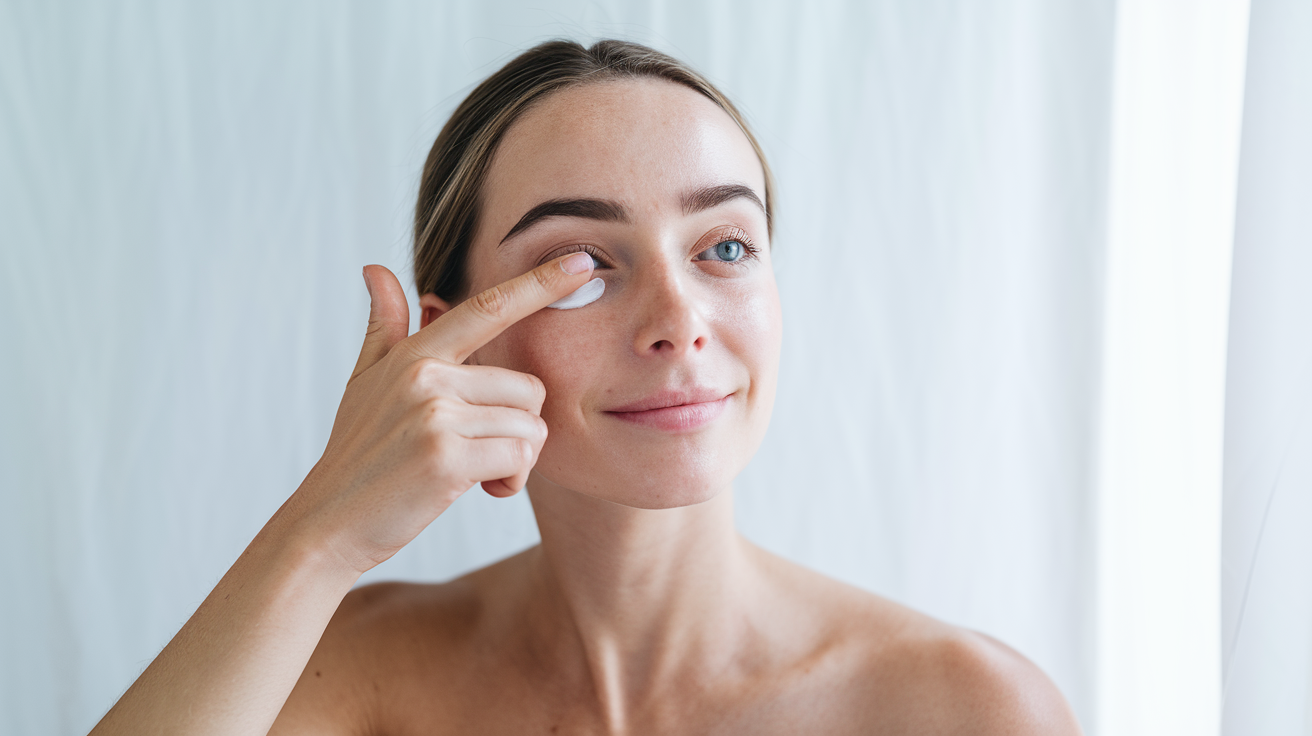
Use your ring finger: This finger applies the least pressure, which is important for the delicate eye area. Gently pat the cream along the orbital bone—from the inner corner outward under the eye, then from the outer corner inward on the brow bone.
Don't apply too close to the lash line: Keep eye cream about a half-inch away from your actual eye. The product will naturally migrate slightly as it warms on your skin, and applying too close can cause irritation or puffiness.
Layer correctly: Eye cream typically goes on after your serum but before your moisturizer. The general rule is to apply products from thinnest to thickest consistency. For detailed layering guidance, this affiliate one walks through the exact order.
Be consistent: Results don't happen overnight. Give your eye cream at least 6-8 weeks of twice-daily use before deciding whether it's working for you. Take photos in the same lighting to track subtle changes you might not notice day-to-day.
Store properly: Keep your eye cream in a cool, dry place away from direct sunlight. Some ingredients, especially retinol, can break down when exposed to heat and light. The bathroom medicine cabinet is actually not ideal due to humidity fluctuations.
Don't skip SPF: No eye cream will help soften the appearance of lines if you're not protecting your skin from sun damage. Use a mineral sunscreen around the eye area every morning, even on cloudy days. UV exposure is the number one contributor to premature aging.
Use the right amount: A pea-sized amount is enough for both eyes. Using more doesn't mean better results—it just wastes product and can sometimes lead to milia or clogged pores around the eyes.
The under-eye area is often the first place to show signs of aging, but that doesn't mean you need to spend a fortune to keep it looking smooth and rested. With the right ingredients, proper application, and realistic expectations, budget-friendly eye creams can be just as effective as their luxury counterparts. Focus on what's inside the tube, not the price tag, and your under-eye area—and your wallet—will thank you.