Disclosure: This post contains affiliate links. We may earn a commission at no extra cost to you.
7 Signs Your Eye Cream Has Expired and Is Damaging Your Skin
Have you ever wondered if that eye cream sitting on your bathroom counter is still safe to use? You're not alone. Most of us don't think twice about reaching for our favorite eye cream until something feels off. But using expired skincare around your delicate eye area can do more harm than good.
The skin around your eyes is thinner and more sensitive than anywhere else on your face. When eye cream goes bad, you're not just losing the benefits you paid for. You might actually be irritating that delicate skin or introducing bacteria that can cause breakouts, redness, or other unwanted reactions.
Here are seven clear signs your eye cream has passed its prime and needs to go straight into the trash.
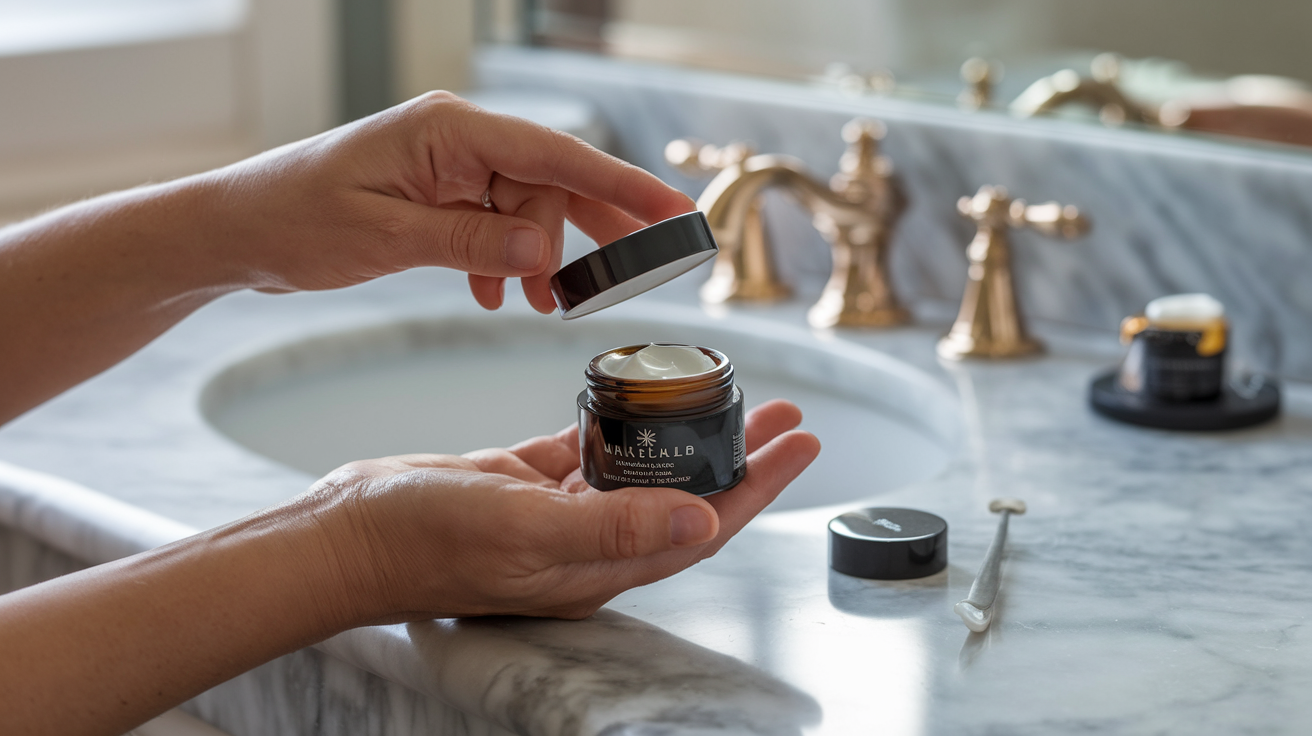
Color and Texture Changes That Signal Expiration
Fresh eye cream should look exactly like it did when you first opened it. If you notice your once-white or ivory cream has turned yellow, gray, or developed brown spots, that's your first red flag.
These color shifts happen when the ingredients start breaking down or when the preservatives lose their effectiveness. The antioxidants that were supposed to help reduce the appearance of fine lines? They've oxidized and are no longer doing their job.
Texture tells you just as much. If your smooth, silky cream now feels grainy, lumpy, or has developed a film on top, the formulation has destabilized. Active ingredients have separated from their base, and you're not getting the even application your under-eye area needs.
Some creams naturally thicken slightly over time, but dramatic changes mean it's time to replace your product. If you're unsure what changes to watch for, this affiliate one can help you understand what healthy eye cream should look and feel like.
Unusual Smell Means It's Time to Toss It
Your nose knows when something's wrong. Eye creams typically have either no scent or a light, pleasant fragrance from added essential oils or fragrance compounds.
If your eye cream suddenly smells sour, rancid, or just different from how you remember, bacteria or mold may have contaminated the product. This is especially common if you've been dipping your fingers directly into a jar instead of using a clean spatula.
Even unscented formulas can develop an off smell when they expire. Natural oils and botanical extracts go rancid just like food does. That weird chemical or musty odor? It's telling you the preservative system has failed.
Don't try to power through and use it anyway. The delicate eye area is particularly prone to irritation, and expired ingredients can trigger redness, itching, or even contact dermatitis.
Tired of seeing under-eye lines before you see yourself?
If the tiny creases under your eyes make you look more tired than you feel, this guide shows the simple under-eye routine that helps soften the look of dry lines, crepey texture, and tired skin without guessing or wasting weeks on random products.
Separation and Consistency Problems to Watch For
When you open your eye cream and see liquid pooling on top or oil separating from the cream base, that's a stability issue. While some natural products separate slightly and just need a stir, dramatic separation means the emulsion has broken down.
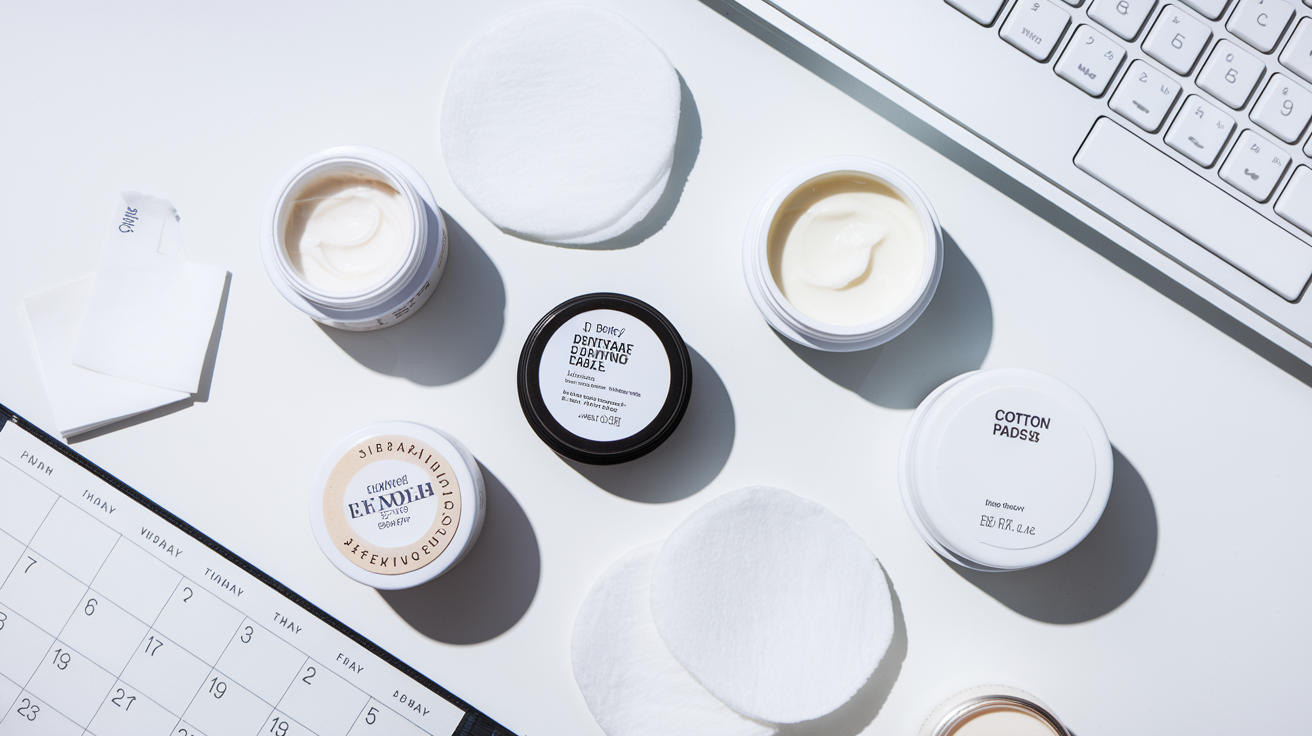
Emulsions are mixtures of water and oil held together by emulsifiers. When those emulsifiers degrade, the formula falls apart. You'll see water collecting at the edges of the jar or oil slicks floating on the surface.
Consistency problems also show up as the product becoming either too watery or too thick. A cream that used to glide on smoothly but now feels like paste has lost moisture through evaporation or chemical changes. One that's suddenly runny has probably broken down at the molecular level.
These changes don't just affect how the product feels. They mean the active ingredients are no longer evenly distributed throughout the formula. You might be getting too much of some ingredients and none of others, making the product unpredictable and potentially irritating.
Reduced Effectiveness and Skin Reactions
Sometimes expired eye cream doesn't show obvious visual signs, but your skin tells you something's wrong. If your previously beloved eye cream stops making your under-eye area look smoother or more hydrated, the active ingredients have likely degraded.
Ingredients like retinol, vitamin C, and peptides are particularly unstable. They break down with exposure to light, air, and temperature changes. After several months, even a well-formulated product starts losing potency.
More concerning are new skin reactions. If you suddenly develop redness, burning, stinging, or small bumps around your eyes from a product you've used without issue, the formula has changed. Bacterial contamination or degraded preservatives can turn a gentle product harsh.
Some people notice increased sensitivity, puffiness, or even darkening of the under-eye area. These reactions happen because expired ingredients can become irritants or allergens as their chemical structure changes.
If you're experiencing any unusual reactions or your eye cream just isn't performing like it used to, check the manufacturing date and consider replacing it. For guidance on choosing a fresh, effective eye cream, affiliate one offers detailed recommendations.
How to Prevent Your Eye Cream From Expiring Too Soon
Most eye creams last 6 to 12 months after opening, but you can maximize their shelf life with proper storage. Keep your eye cream in a cool, dry place away from direct sunlight and heat. That means not on a sunny windowsill or next to a hot shower.
Always close the lid tightly after each use to minimize air exposure. If your product comes in a jar, use a clean spatula instead of your fingers to prevent introducing bacteria.
Write the date you opened the product on the container with a permanent marker. Most packaging includes a small jar symbol with a number indicating how many months it's good for after opening.
When in doubt, trust your instincts. If something seems off about your eye cream's appearance, smell, or texture, it's better to replace it than risk irritating the most delicate skin on your face. Your eyes deserve fresh, effective skincare that actually helps reduce the appearance of fine lines and keeps that area looking smoother and less tired.