Disclosure: This post contains affiliate links. We may earn a commission at no extra cost to you.
7 Eye Cream Mistakes That Actually Make Under Eye Wrinkles Worse
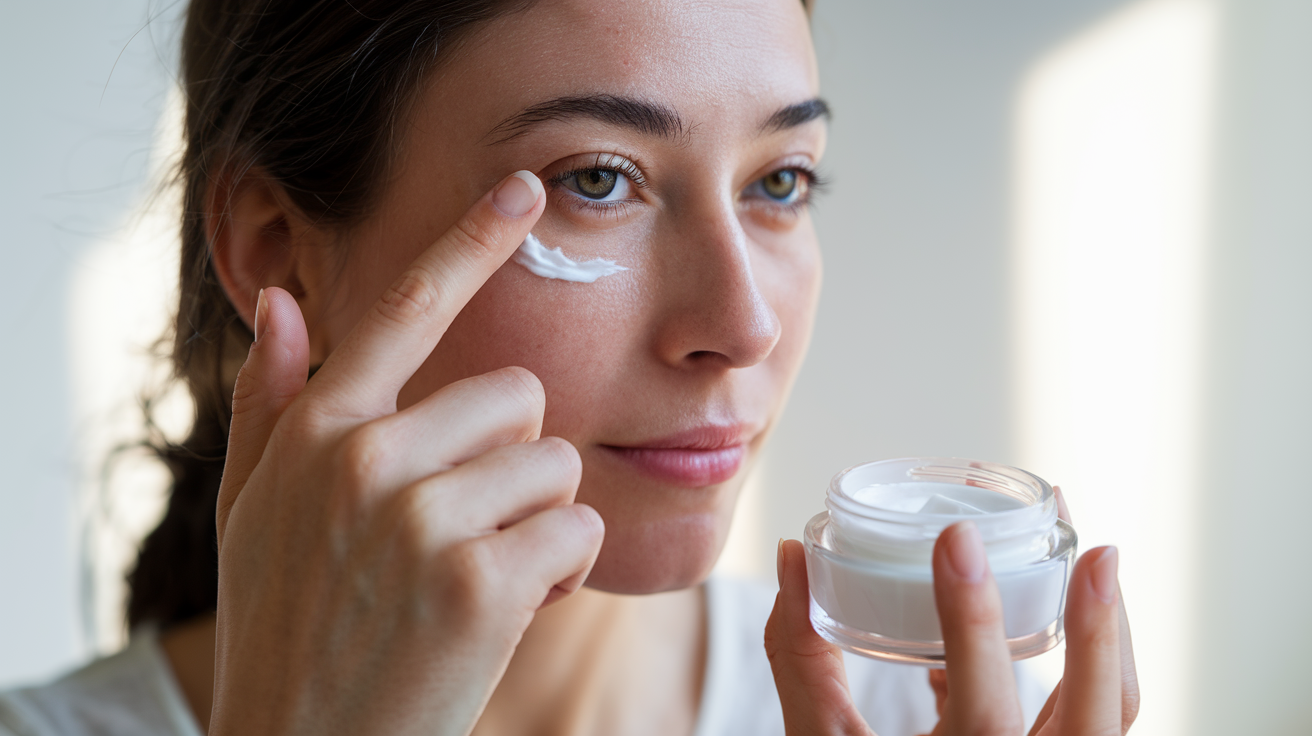
Are you using eye cream every day but still noticing more fine lines and crepey texture under your eyes? The problem might not be your product—it could be how you're using it.
Even the most luxurious eye creams won't help soften the appearance of under-eye wrinkles if you're applying them incorrectly. In fact, certain common habits can actually make the delicate skin around your eyes look more tired and aged.
Let's look at the seven most common eye cream mistakes that could be working against you—and how to fix them starting today.
Applying Eye Cream Too Close to Your Lash Line
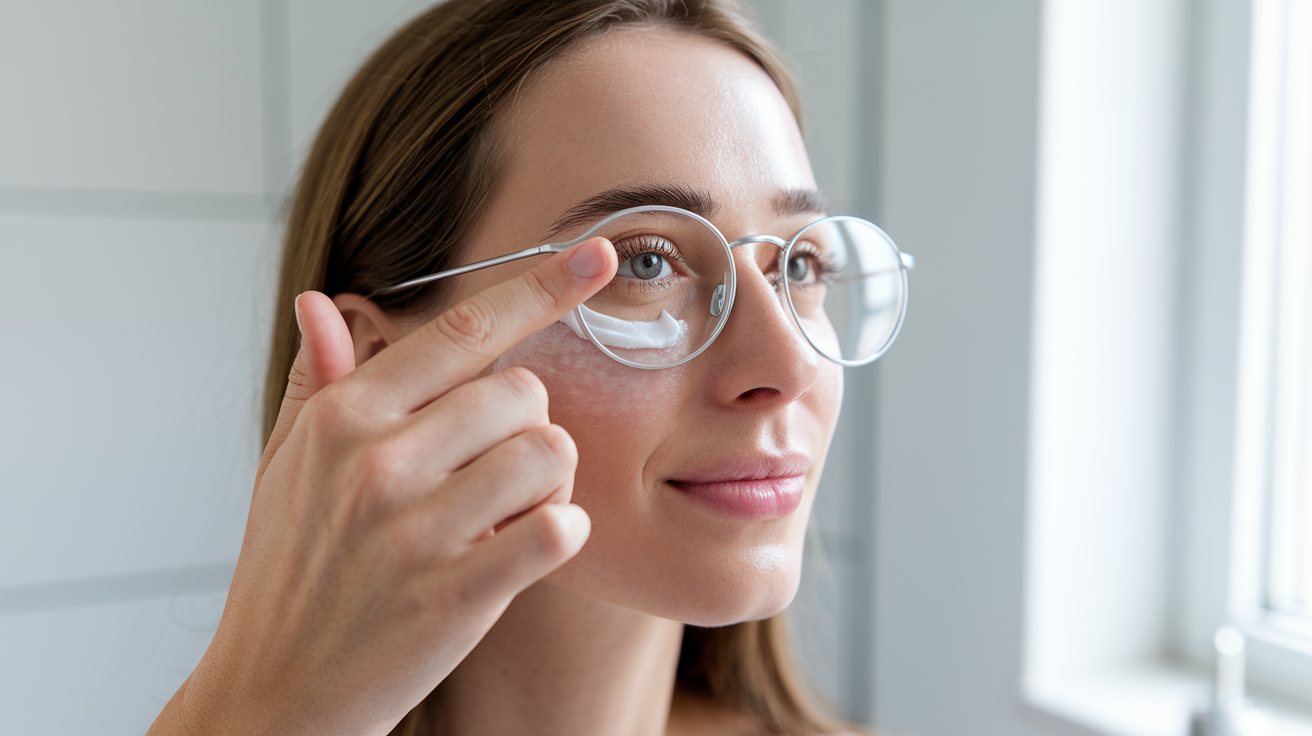
It seems logical to apply eye cream right where you see lines forming, but putting product too close to your lash line can backfire quickly.
When you apply cream directly along the lashes, it migrates during the day. Your body heat melts the product, causing it to travel into your eyes. This creates puffiness, irritation, and watery eyes that make you look even more tired.
Instead, keep your application at least a half-inch below your lower lashes and the same distance from your upper lash line. The cream will naturally spread as you blink and move throughout the day, reaching the entire eye area without causing irritation.
Your orbital bone makes a perfect guide. Apply cream just along that bony ridge, and let the product do the rest of the work on its own.
Using Too Much Product at Once
More product doesn't mean better results. In fact, using too much eye cream can stretch and pull the delicate skin around your eyes, making fine lines look more pronounced.
The skin under your eyes is thinner than anywhere else on your face. It can only absorb a small amount of product at once. Excess cream just sits on the surface, creating a greasy layer that makes makeup slide off and causes milia—those tiny white bumps that form when product gets trapped under the skin.
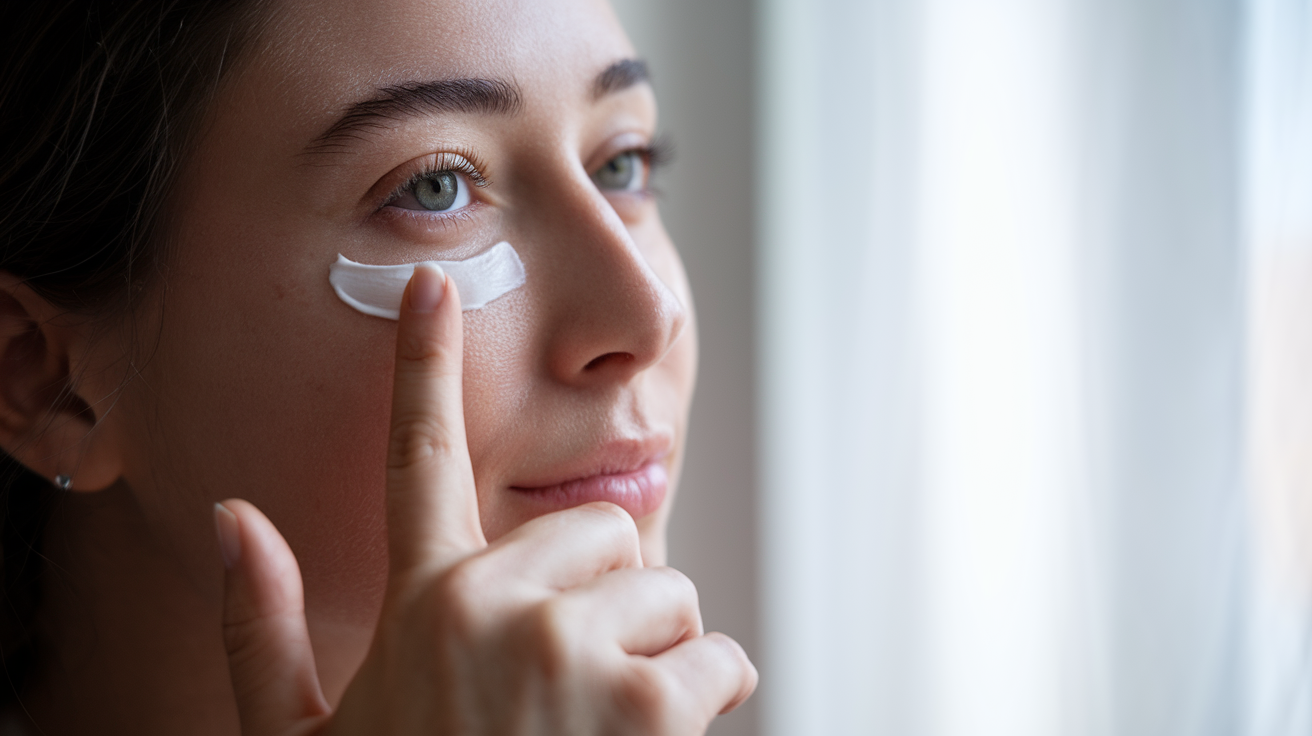
A rice grain-sized amount for both eyes is genuinely enough. If you're using more than that, you're wasting product and potentially making your eye area look worse.
Press the cream gently into skin instead of rubbing it around. This helps with absorption and prevents tugging.
Rubbing Instead of Patting the Delicate Eye Area
This might be the most damaging mistake on this list. Rubbing eye cream creates friction that stretches the thin skin around your eyes, breaking down the collagen and elastin that keep skin looking firm.
Think about how you take off eye makeup. If you're rubbing hard with a cotton pad every night, then rubbing in your eye cream, you're putting that delicate area through a lot of daily stress.
The pulling motion actually creates the very lines you're trying to address. Over time, this repeated stretching makes skin look looser and more crepey.
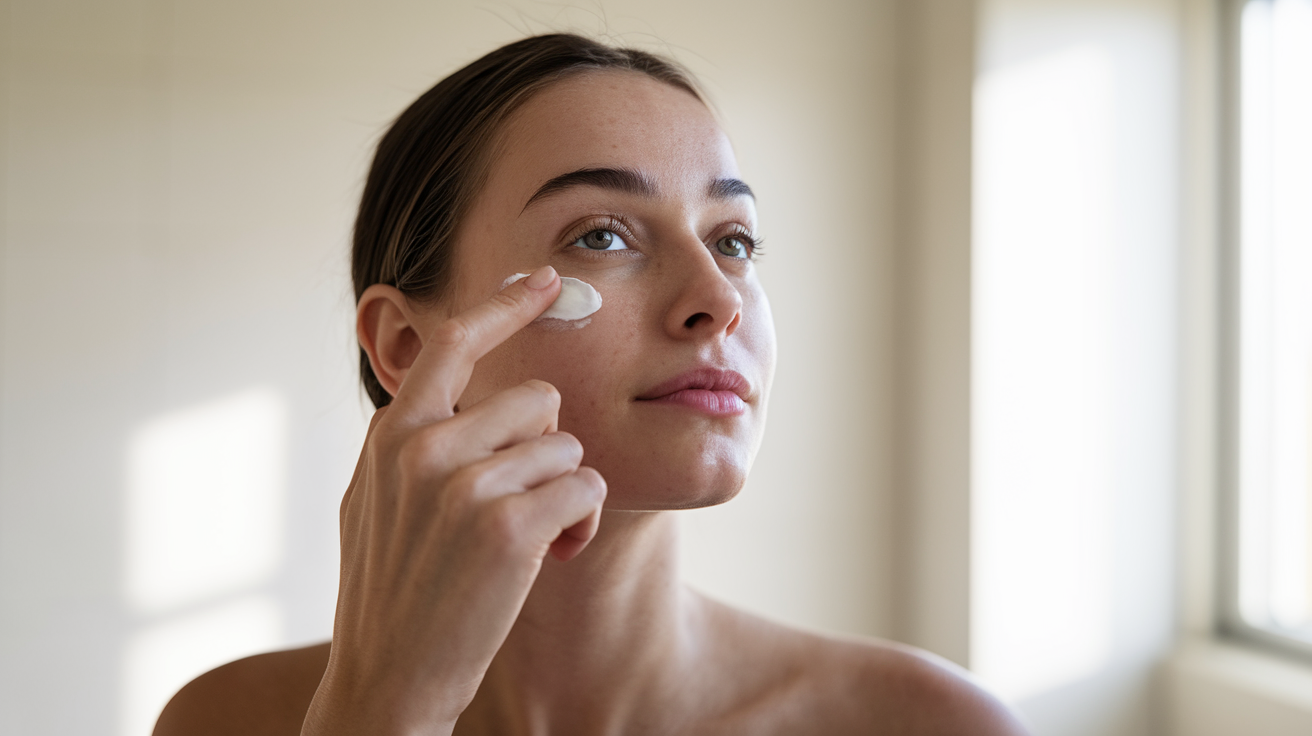
Use your ring finger instead—it naturally applies the least pressure. Gently pat or press the product into skin using a light tapping motion. Start at the inner corner and move outward, following the natural curve of your eye socket.
Tired of seeing under-eye lines before you see yourself?
If the tiny creases under your eyes make you look more tired than you feel, this guide shows the simple under-eye routine that helps soften the look of dry lines, crepey texture, and tired skin without guessing or wasting weeks on random products.
Skipping Eye Cream in Your Morning Routine
Many people only use eye cream at night, thinking their skin needs it more while sleeping. But daytime is when your under-eye area faces the most stress.
Squinting at screens, outdoor light exposure, makeup application, and facial expressions all happen during waking hours. Without proper hydration and protection, the skin under your eyes becomes dehydrated throughout the day, making fine lines look deeper and more visible.
Morning eye cream creates a smooth base for concealer and helps makeup sit better instead of settling into creases. It also provides a protective barrier against environmental factors that contribute to visible aging.
Look for a lightweight formula for daytime use—something that absorbs quickly and works well under makeup. Save richer, more intensive creams for your nighttime routine when your skin can fully absorb the ingredients without interference.
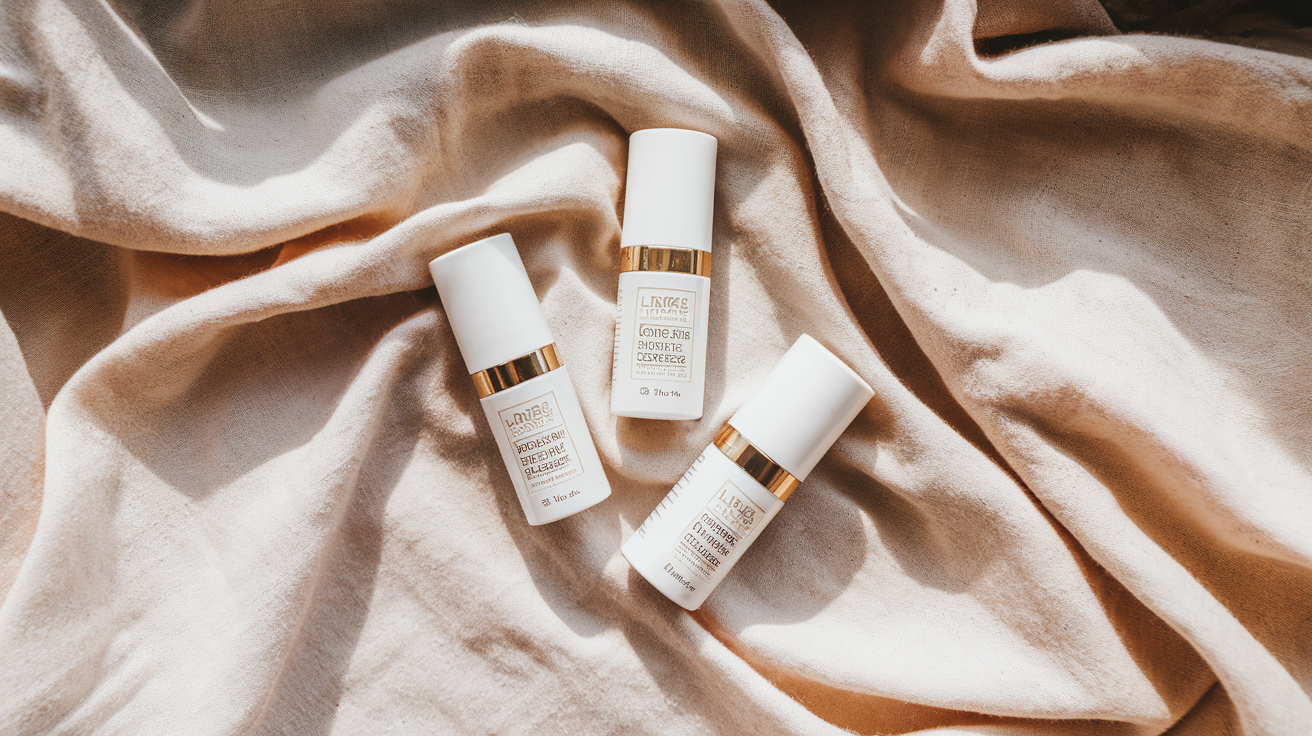
Using the Wrong Formula for Your Skin Type
Not all eye creams work the same way, and using the wrong formula for your specific concerns can make your under-eye area look worse instead of better.
If you have naturally oily skin or struggle with milia, heavy creams will clog the area and create bumps. If your under-eyes are extremely dry and crepey, a lightweight gel won't provide enough support to help smooth the appearance of texture.
For dry, mature skin with visible fine lines, look for creams with ceramides and peptides. These ingredients help support the skin barrier and create a plumper appearance.
For oily or combination skin, choose gel-cream hybrids that hydrate without feeling heavy. These absorb quickly and won't contribute to congestion around the eyes.
If you're not sure which type matches your needs, affiliate one can help you identify the best approach for your specific skin concerns.
Not Waiting Between Product Layers
Rushing through your skincare routine prevents products from absorbing properly, which is especially problematic around the eyes where skin is most delicate.
When you pile on eye cream, serum, concealer, and sunscreen one right after another, each layer interferes with the one before it. Products mix together instead of absorbing, creating a slippery base that makes makeup slide around and settle into lines.
This pilling effect makes the under-eye area look textured and uneven—exactly what you're trying to avoid.
Give each product at least 30 to 60 seconds to absorb before adding the next layer. This short wait lets ingredients penetrate properly and creates a smooth, even surface.
In the morning, apply eye cream first after cleansing, then move on to the rest of your face routine. By the time you finish applying serum and moisturizer to your face, your eye area will be ready for sunscreen or makeup.
Forgetting to Apply on Your Upper Eyelids
Most people focus all their attention on the under-eye area and completely ignore the upper eyelids. But the skin on your upper lids is just as thin and prone to looking crepey and tired.
As skin ages, upper eyelids can develop a crepey texture that makes eyeshadow look patchy and uneven. The lids may also start to look looser or more hooded, which changes the entire appearance of your eyes.
Applying a small amount of eye cream to your upper lids—along the brow bone and across the movable lid—helps keep that skin hydrated and smoother-looking. Just avoid getting product directly in the crease where it might interfere with eye makeup.
Use the same gentle patting motion you use under your eyes. Don't rub or pull at the lid, which can make skin look looser over time.
If you want a complete routine that addresses both upper and lower eye area concerns, affiliate one walks through exactly how to layer products for smoother-looking skin around the entire eye.
These seven mistakes are incredibly common, but they're also easy to fix once you know what to look for. Small changes in how you apply your eye cream can make a noticeable difference in how your under-eye area looks and feels.
Start with just one or two adjustments—like switching to a patting motion or waiting between product layers—and build from there. Your eye cream will work better, your makeup will sit smoother, and your eyes will look less tired overall.