Disclosure: This post contains affiliate links. We may earn a commission at no extra cost to you.
When Should You Start Using Eye Cream? Age Timeline and Expert Advice
Are you wondering if you're too young for eye cream—or if you've already waited too long?
The truth is, there's no universal age when everyone needs to start using eye cream. But there are clear signs your skin shows when it's ready, and ignoring them can mean missing the window where prevention matters most.
In this guide, we'll walk through why the eye area ages differently, what dermatologists actually recommend about timing, and how to choose your first eye cream based on where you are right now.
Why the Eye Area Ages Differently Than the Rest of Your Face
The skin around your eyes is thinner than anywhere else on your face—about 40% thinner than your cheeks. This makes it more vulnerable to everyday stress like rubbing, squinting, and environmental exposure.
It also has fewer oil glands, which means it doesn't stay as naturally moisturized. That's why dryness, fine lines, and crepey texture tend to show up here first.
Because this area is constantly moving—blinking, smiling, squinting—it's also where expression lines start to settle in over time. And since the skin is so delicate, it's one of the first places to show signs of fatigue, dehydration, and sun damage.
That's why eye cream exists. It's formulated to be gentler and more hydrating than regular face moisturizer, with ingredients that support the unique needs of this fragile zone.
The Ideal Age to Start Using Eye Cream (Dermatologists Weigh In)
Most dermatologists suggest that your mid-20s is a smart time to start using eye cream, especially if you're noticing early dryness or fine lines when you smile.
But age isn't the only factor. If you're in your early 20s and spend a lot of time in the sun, work long hours in front of screens, or notice your under-eyes looking tired even after rest, starting sooner can help support your skin before those signs become more visible.
On the other hand, if you're in your 30s or 40s and haven't used eye cream yet, it's not too late. Your skin can still benefit from hydration, antioxidants, and ingredients that help soften the appearance of existing lines.
The key is to start when your skin shows it needs support—not when a birthday tells you to.
Signs Your Skin Is Ready for Eye Cream Right Now
You don't need to wait for deep wrinkles to start using eye cream. Here are the early signs that your under-eye area could use extra care:
Your under-eyes look dry or flaky. If your concealer cakes or your skin feels tight after cleansing, that's a sign your natural moisture barrier needs help.
You see fine lines when you smile or squint. These are called dynamic lines, and while they're normal, keeping the area hydrated can help reduce how visible they look over time.
Your eyes look tired even when you're well-rested. Puffiness, dullness, or a hollow appearance can all improve with the right affiliate one routine.
You're starting to notice crepey texture. If the skin under your eyes looks thinner or more textured than it used to, that's a sign it needs more moisture and support.
You're spending more time in the sun or in front of screens. Both can accelerate visible aging around the eyes, so adding a protective and hydrating product makes sense.
Tired of seeing under-eye lines before you see yourself?
If the tiny creases under your eyes make you look more tired than you feel, this guide shows the simple under-eye routine that helps soften the look of dry lines, crepey texture, and tired skin without guessing or wasting weeks on random products.
How to Choose Your First Eye Cream Based on Your Age
Your first eye cream doesn't need to be complicated. Here's how to choose based on where you are now.
In your 20s: Focus on hydration and prevention. Look for lightweight formulas with hyaluronic acid, peptides, or niacinamide. These ingredients help keep the area plump and protected without feeling heavy.
Skip anything too rich or greasy—your skin likely doesn't need it yet, and heavy creams can cause milia or irritation.
In your 30s: This is when you might start noticing more visible lines, especially around the outer corners. Look for eye creams with caffeine to help reduce puffiness, along with antioxidants like vitamin C or green tea to support brighter-looking skin.
Retinol can also be helpful if your skin tolerates it, but start slow and use it only at night. If you're new to eye cream, check out this affiliate one for a simple starting point.
In your 40s and beyond: Your skin may benefit from richer textures and ingredients that support firmness and smoothness. Look for formulas with ceramides, peptides, retinol, or bakuchiol.
At this stage, consistency matters more than any single ingredient. Using your eye cream twice a day—morning and night—will give you the best chance of seeing smoother-looking, more hydrated skin over time.
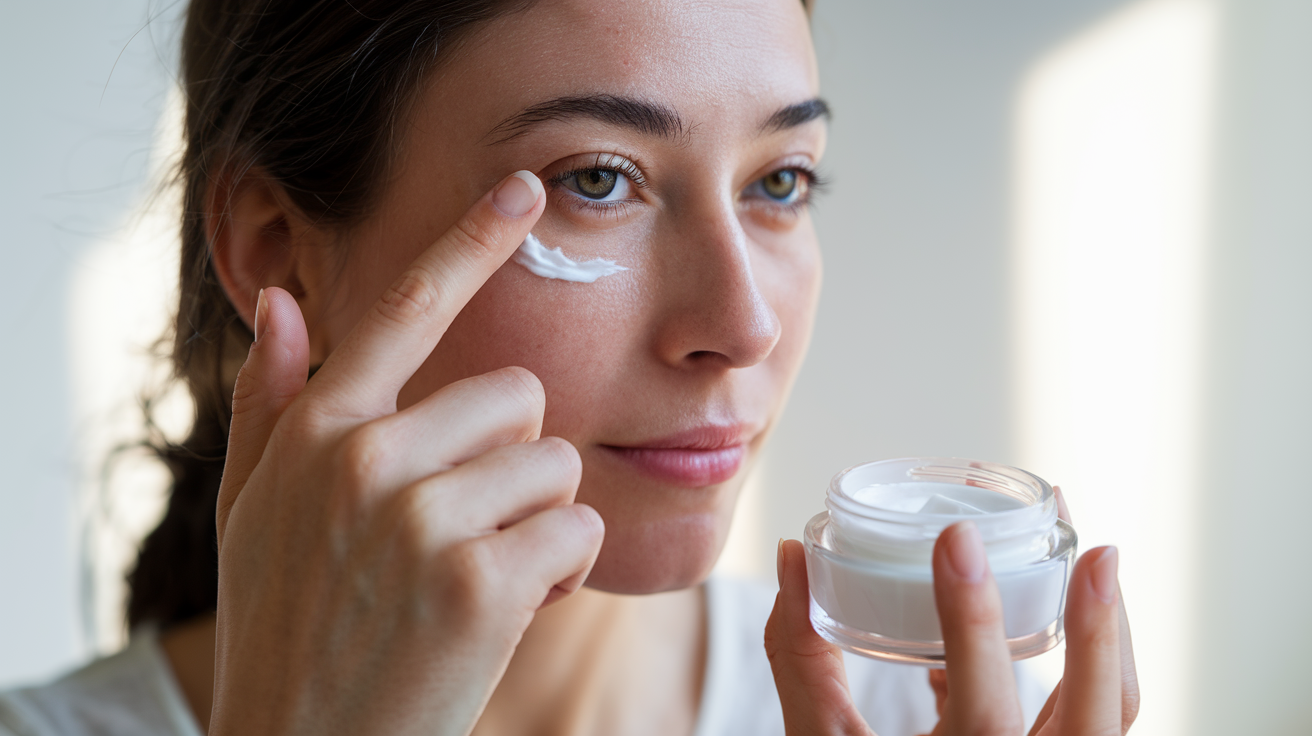
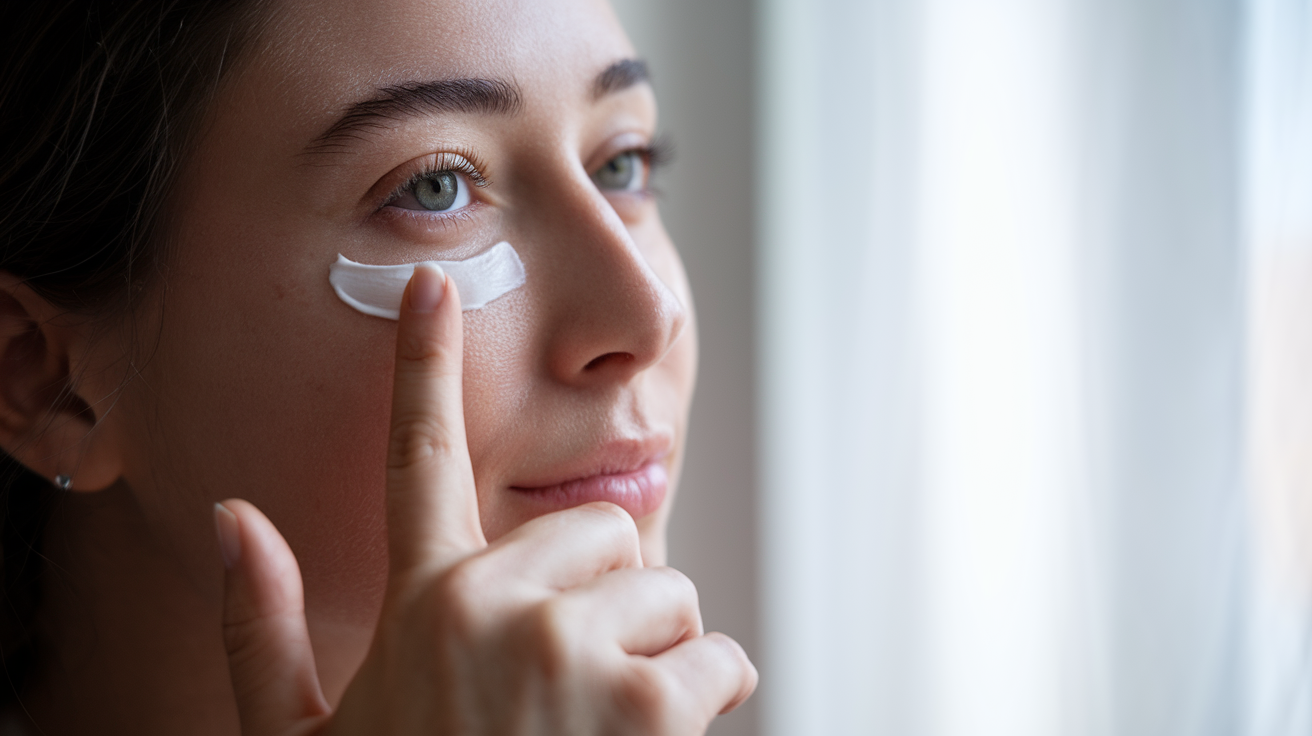
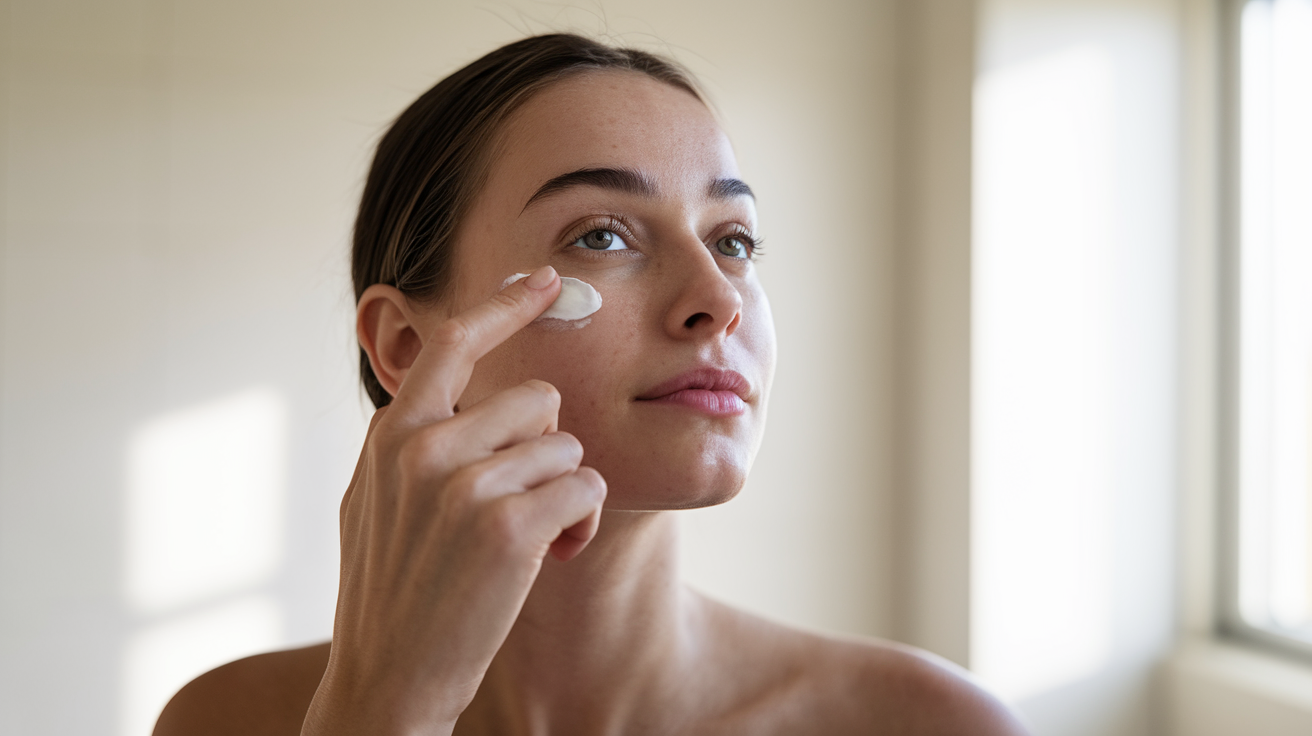
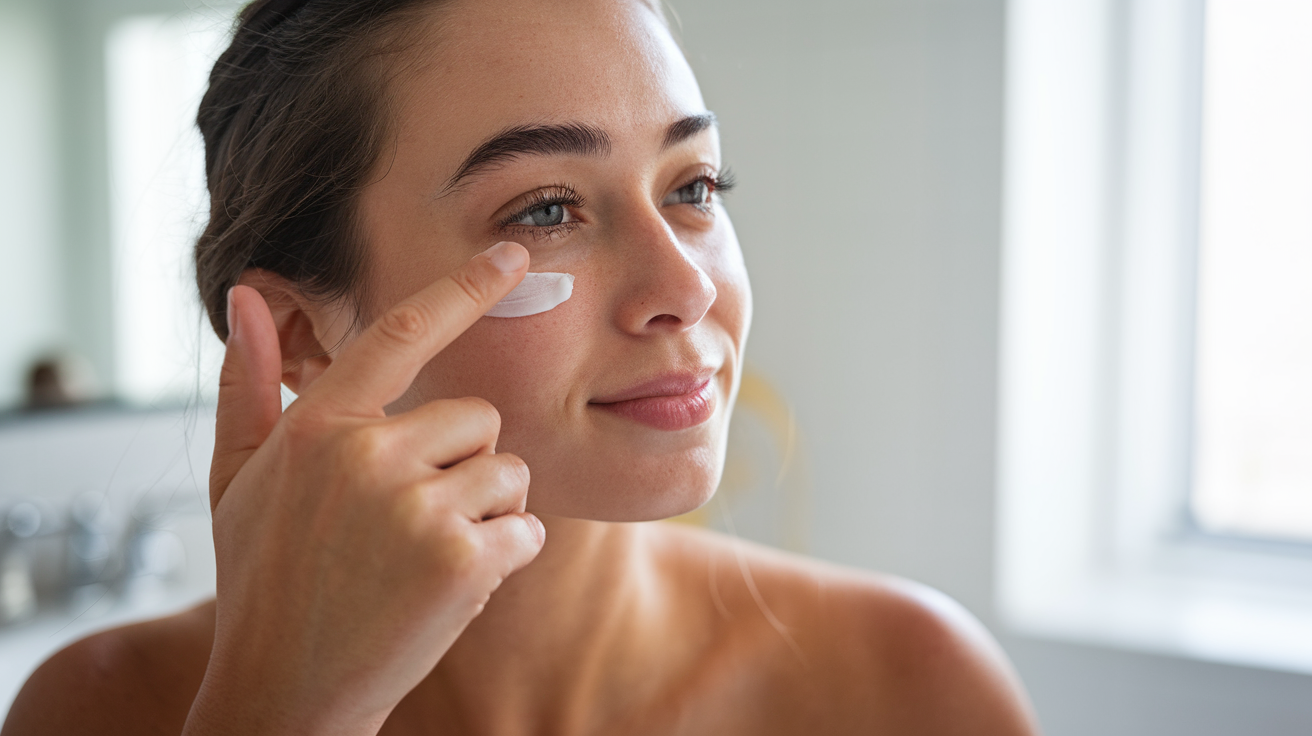
No matter your age, always apply eye cream gently. Use your ring finger to tap it in, starting from the inner corner and moving outward. Never rub or pull the skin.
And remember: eye cream works best when it's part of a full routine that includes sunscreen during the day and a gentle cleanser at night.
Starting eye cream isn't about chasing perfection. It's about giving your skin the support it needs, right when it needs it.