Disclosure: This post contains affiliate links. We may earn a commission at no extra cost to you.
When Should You Start Using Eye Cream? Age Guidelines and Early Prevention Tips
Have you ever stood in the skincare aisle wondering if you're too young for eye cream—or worse, already too late? The truth is, there's no magical birthday that suddenly makes your under-eye area need extra care. But there are smart guidelines that can help you figure out the right time to start, based on your skin's actual needs rather than some arbitrary age rule.
Let's walk through when most people benefit from adding eye cream to their routine, what signs to watch for, and how to pick the right formula based on where you are in your skincare journey.
The Ideal Age to Start Your Eye Cream Journey
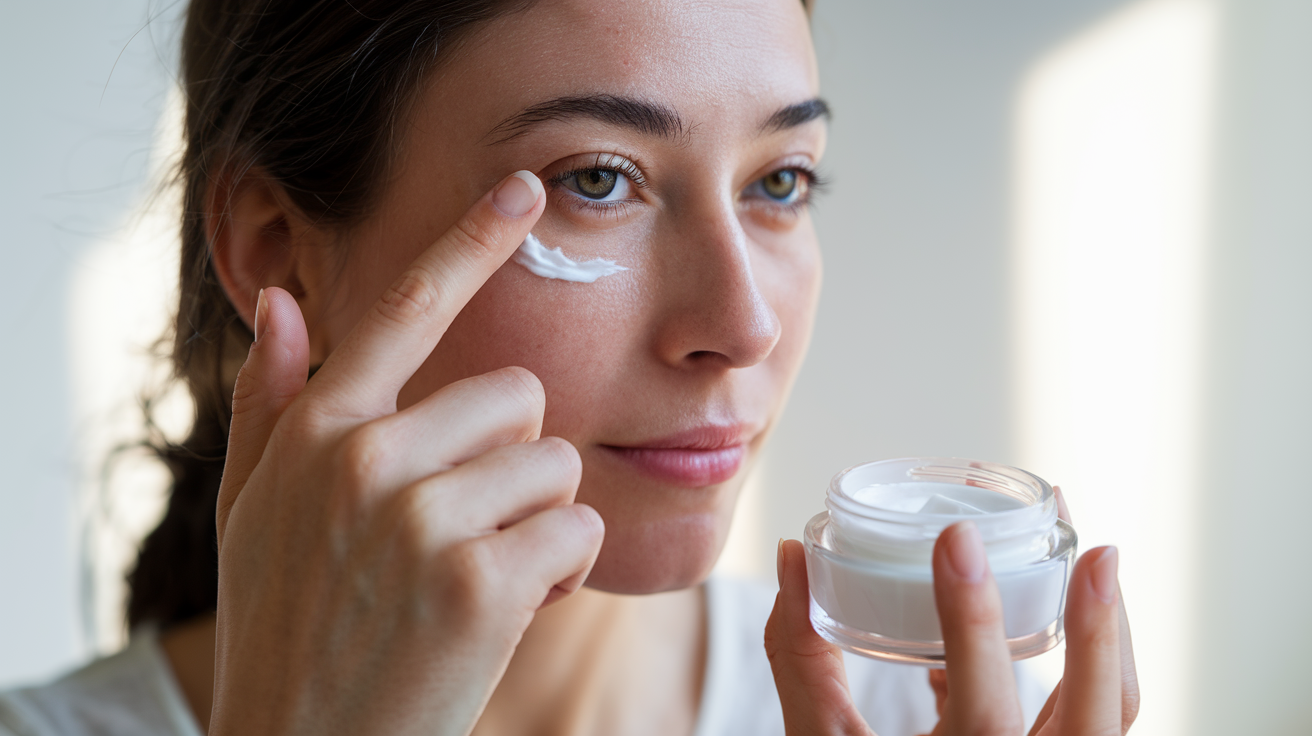
Most dermatologists suggest that your mid-20s is a reasonable time to introduce a basic eye cream, especially if prevention is your goal. This is when collagen production starts to slow down naturally, and the delicate skin around your eyes may begin showing the first whispers of fine lines—particularly if you squint often, spend time in the sun, or look at screens all day.
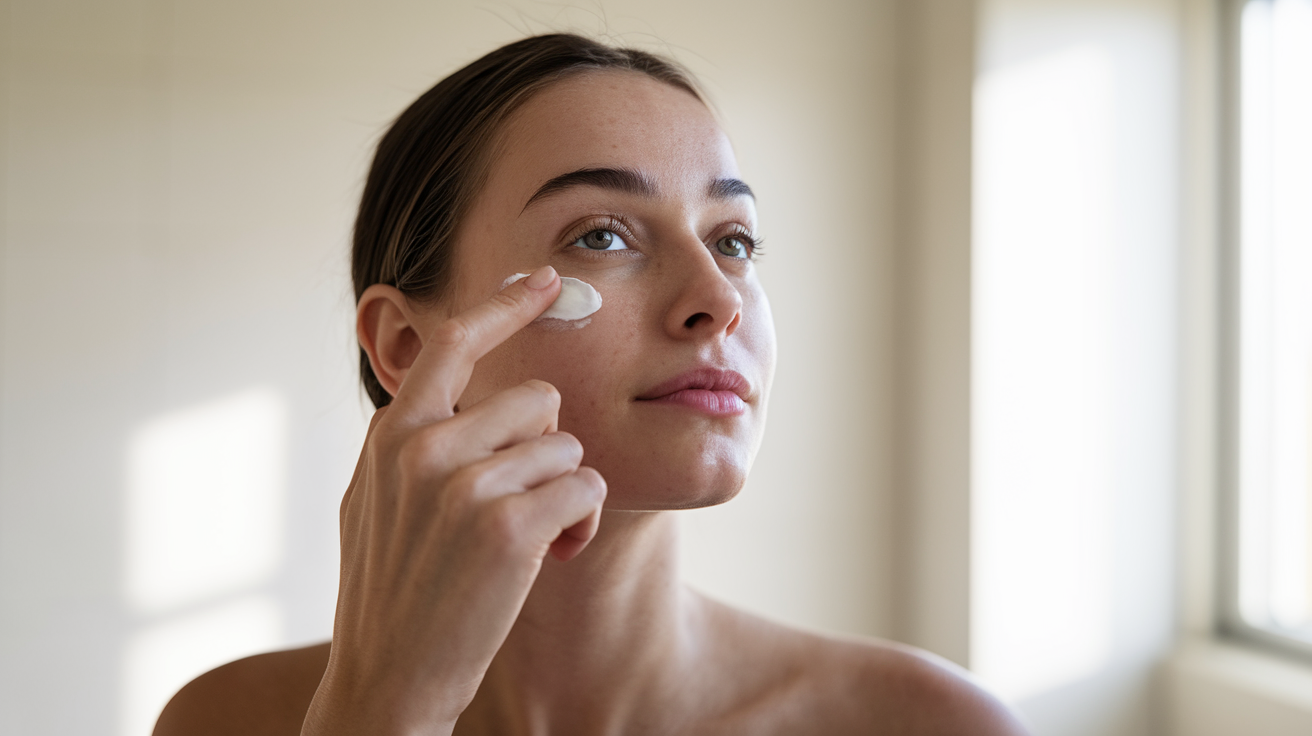
That said, some people start earlier. If you're in your early 20s and already noticing dryness, puffiness after late nights, or makeup settling into creases, a lightweight hydrating eye cream can help support that thin skin before deeper lines form.
On the other hand, if you're in your 30s or 40s and haven't used eye cream yet, you're not behind. You're simply shifting from prevention mode to a combination of prevention and addressing visible signs like crow's feet, under-eye texture, or a tired look that doesn't match how you actually feel.
The key is matching your product to your current skin, not your age alone.
Signs Your Skin Is Ready for Eye Cream
Instead of obsessing over a specific age, pay attention to what your under-eye area is telling you. Here are some clear signals that it's time to add an eye cream:
Dryness or flakiness. If the skin under your eyes feels tight, rough, or looks flaky—especially after cleansing—it's craving more moisture than your regular face cream is providing.
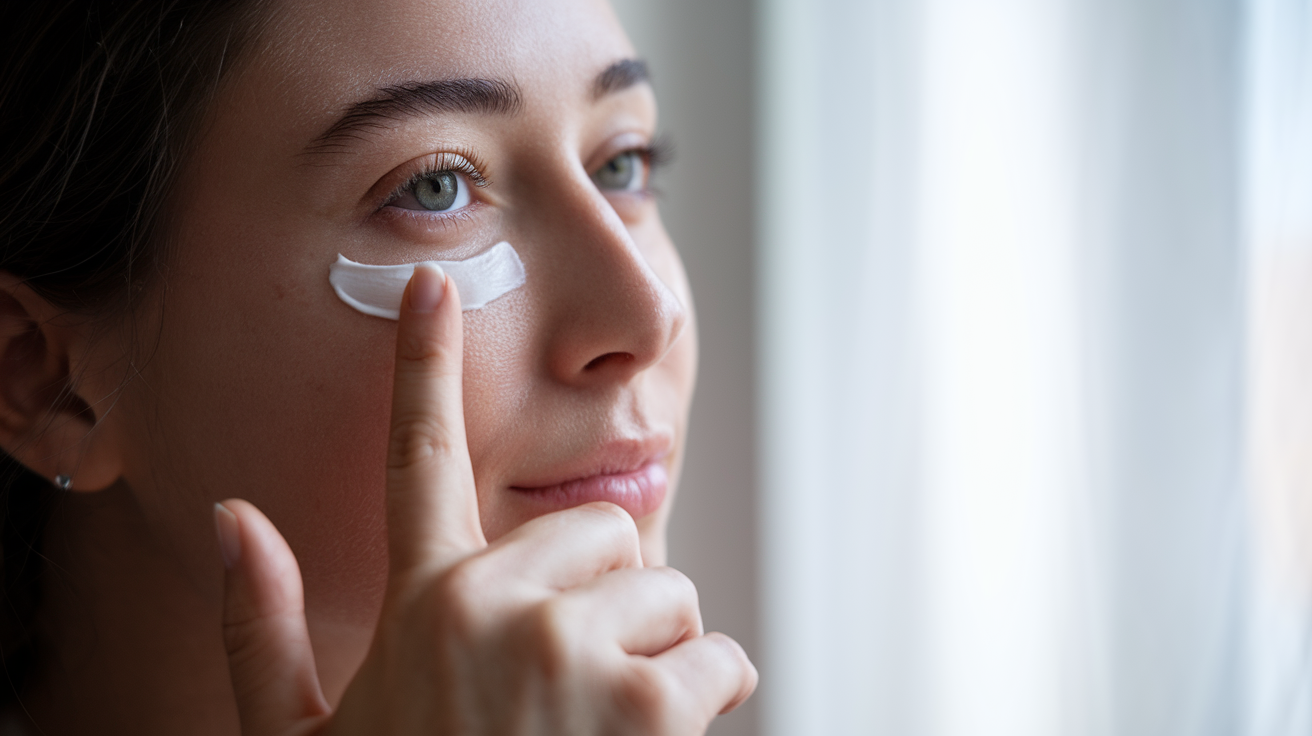
Fine lines when you smile or squint. These little creases are often the earliest sign that your skin could use extra hydration and support. They're not permanent yet, but they're showing up more often.
Puffiness or dark circles. Whether it's from allergies, lack of sleep, or just genetics, a targeted eye cream with caffeine or peptides can help reduce the appearance of puffiness and brighten tired-looking skin.
Makeup settling into creases. If your concealer starts sliding into lines by midday, that's a sign your under-eye skin is dehydrated and would benefit from a smoother, more hydrated base.
Your face cream stings or feels too heavy. The skin around your eyes is thinner and more sensitive. If your regular moisturizer irritates that area or feels greasy, switching to a gentler eye-specific formula makes sense.
If any of these sound familiar, you're ready.
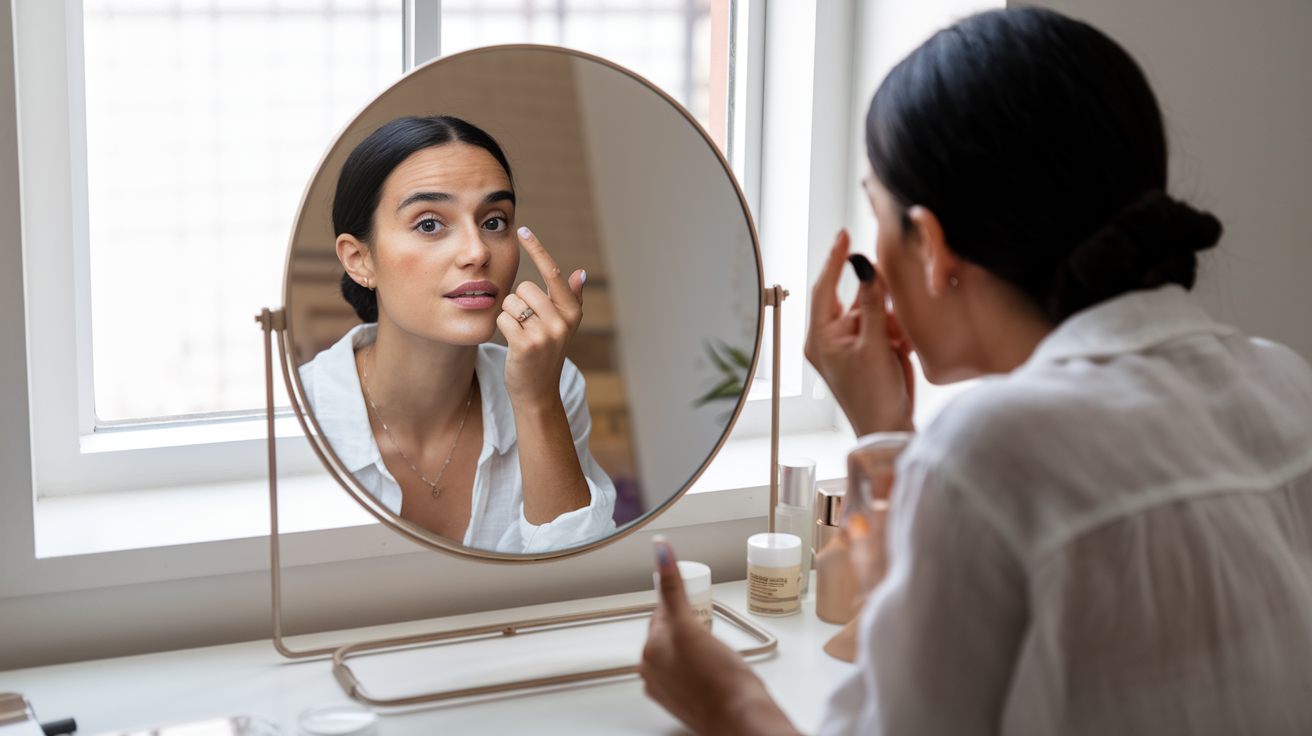
How to Choose Your First Eye Cream by Age Group
Not all eye creams are created equal, and what works in your 20s won't necessarily be what you reach for in your 40s. Here's a simple breakdown to help you choose based on your age and skin goals.
In your 20s: Focus on hydration and prevention. Look for lightweight gels or creams with hyaluronic acid, niacinamide, or antioxidants like vitamin C. These ingredients help keep skin plump and protected without feeling heavy. You don't need anything aggressive yet—just consistent moisture and a little defense against environmental stress.
In your 30s: This is when you might start noticing the first real lines that stick around even when your face is relaxed. A cream with peptides, ceramides, or low-strength retinol can help support skin texture and reduce the appearance of fine lines while still focusing on hydration. You're bridging prevention and early correction here, so look for formulas that do both.
In your 40s and beyond: Now you're likely dealing with deeper lines, some loss of firmness, and possibly more visible dark circles or hollowing. Look for richer creams with retinol, bakuchiol, peptides, and nourishing oils. You want something that addresses multiple concerns—smoothing texture, brightening tone, and supporting the skin barrier. This is also when the affiliate one resource can help you compare ingredients and routines that actually make sense for mature under-eye skin.
No matter your age, always patch test new products and introduce actives like retinol slowly to avoid irritation.
Tired of seeing under-eye lines before you see yourself?
If the tiny creases under your eyes make you look more tired than you feel, this guide shows the simple under-eye routine that helps soften the look of dry lines, crepey texture, and tired skin without guessing or wasting weeks on random products.
Prevention vs Treatment: Timing Your Eye Care Strategy
Here's where a lot of people get confused: should you start early to prevent lines, or wait until you actually see them?
The honest answer is that both approaches work, but prevention is easier than correction. If you start using a basic hydrating eye cream in your mid-20s, you're giving that delicate skin consistent moisture and protection before damage accumulates. Think of it like sunscreen—you don't wait until you burn to start using it.
That said, if you're starting later, don't stress. Skin is resilient, and the right ingredients can still help soften the appearance of existing lines, improve texture, and make your under-eye area look less tired over time.
The shift from prevention to treatment usually happens somewhere in your 30s, when you start noticing lines that don't smooth out as easily. At that point, you'll want to add actives like retinol or peptides to support skin renewal, not just hydration.
But even in treatment mode, prevention still matters. You're not just addressing what's already there—you're also slowing down what comes next. The affiliate one guide breaks down how to layer prevention and treatment products without overdoing it or irritating sensitive skin.
One last thing: consistency beats perfection. Using a simple eye cream every night in your 20s will do more for your skin than buying an expensive serum in your 40s and forgetting to use it half the time.
Start where you are. Pay attention to what your skin needs. And remember that the best time to start is now—not five years ago, and not five years from now.