Disclosure: This post contains affiliate links. We may earn a commission at no extra cost to you.
When Should You Start Using Eye Cream? Age-Based Guide for Prevention
Published October 12, 2026
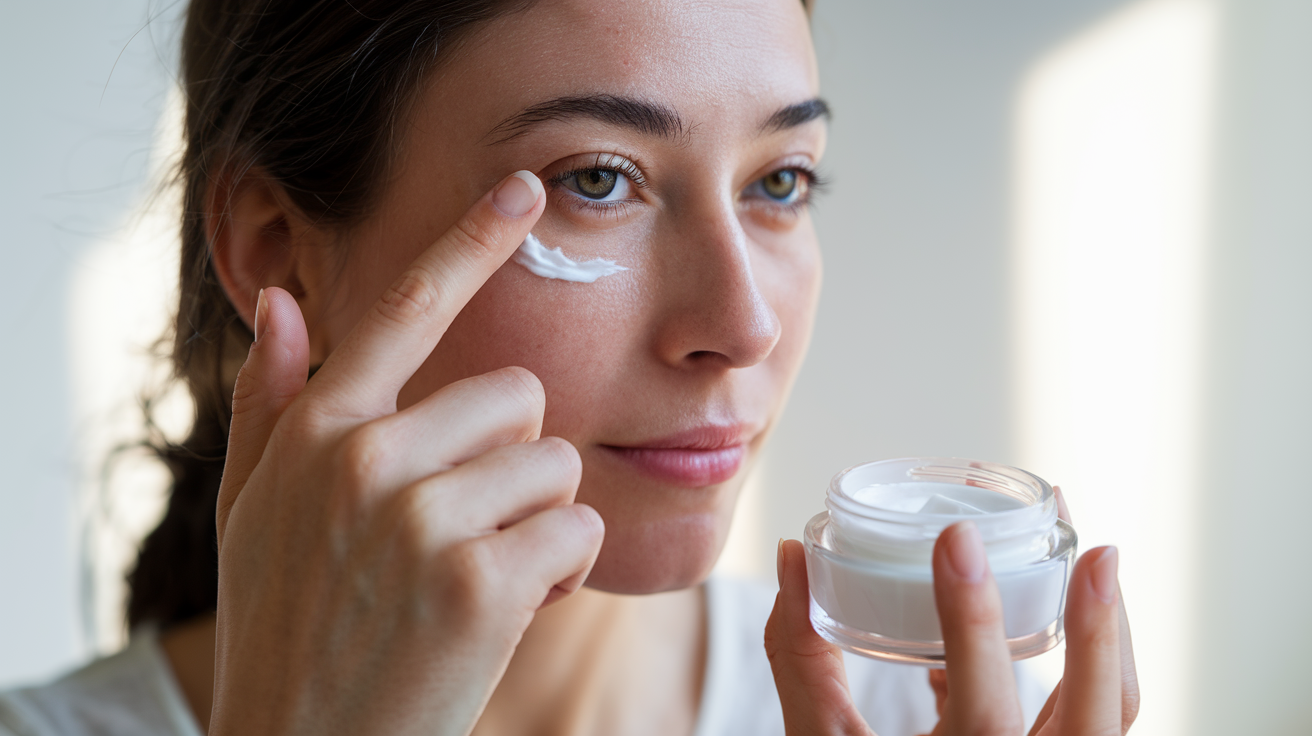
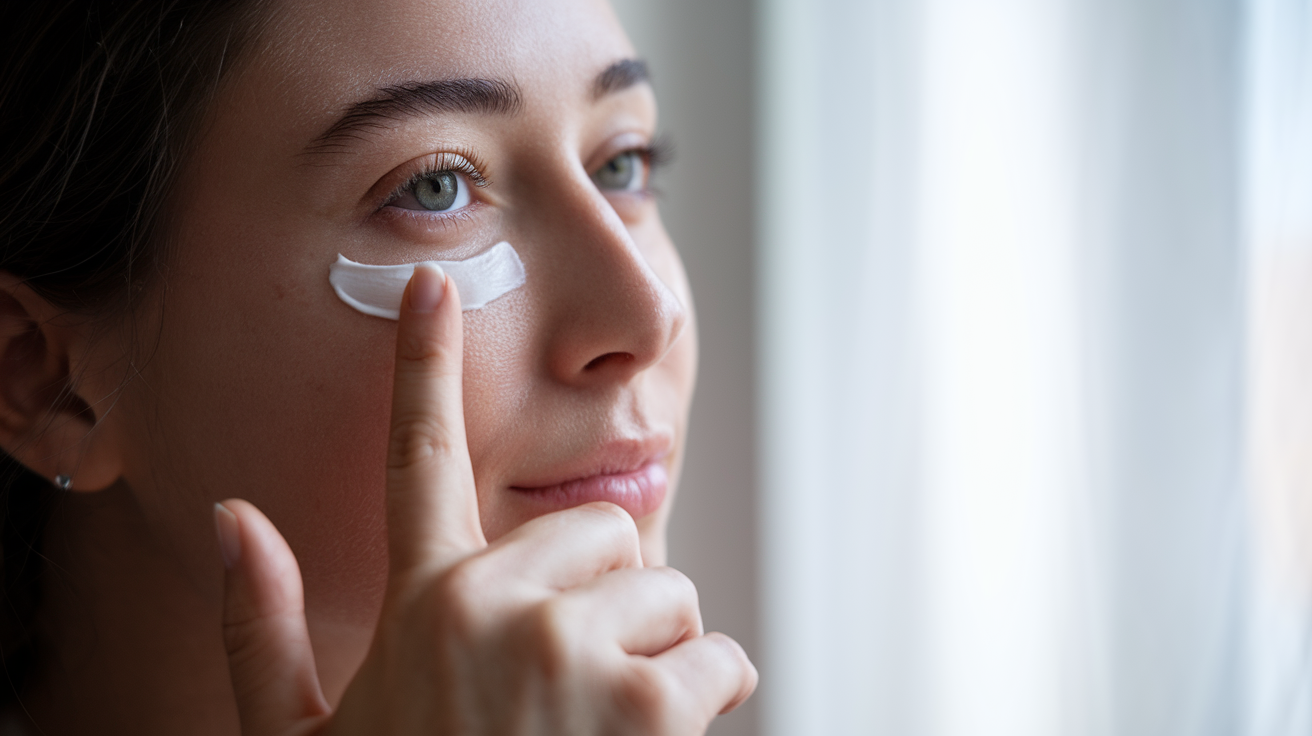
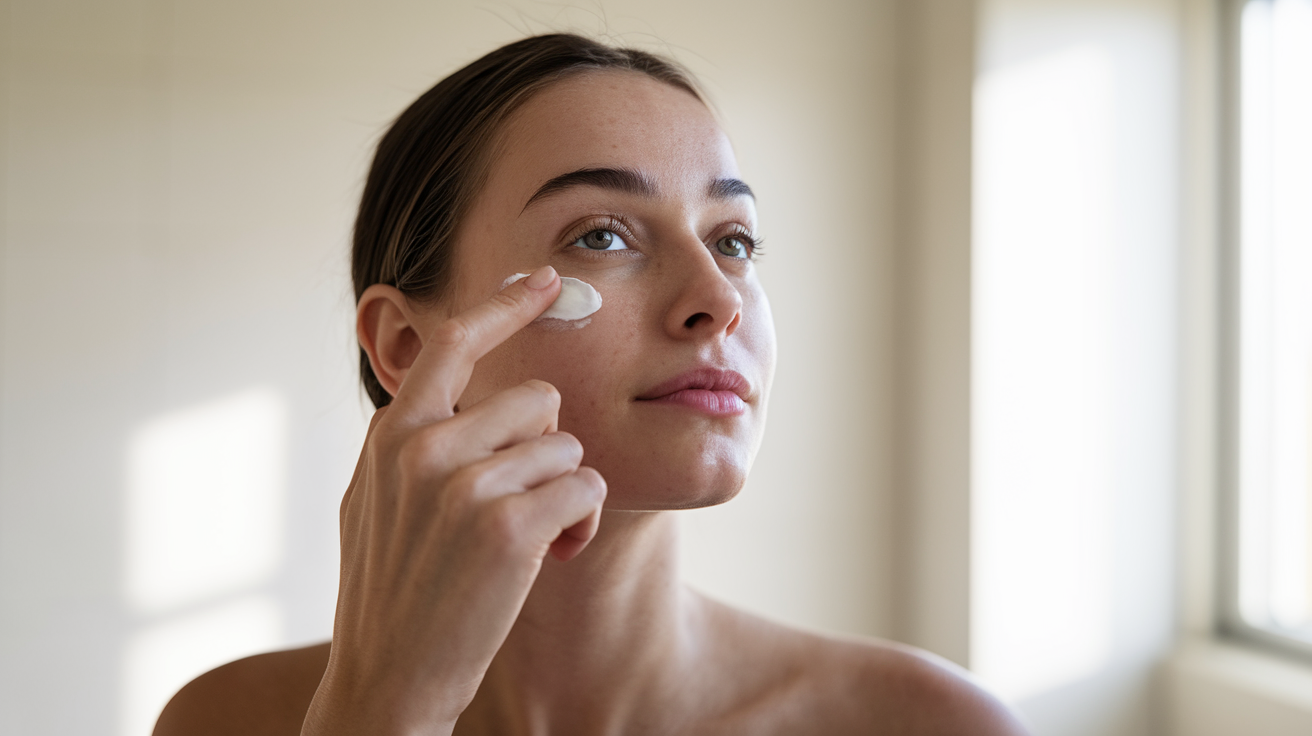
Are you too young for eye cream, or have you already waited too long? This question stumps a lot of people standing in the skincare aisle, staring at tiny jars with hefty price tags. The truth is, there's no universal magic age when you suddenly need eye cream. But there is a smarter way to decide when to start based on your skin, your habits, and what you're actually seeing in the mirror.
Why Eye Cream Timing Matters for Long-Term Results
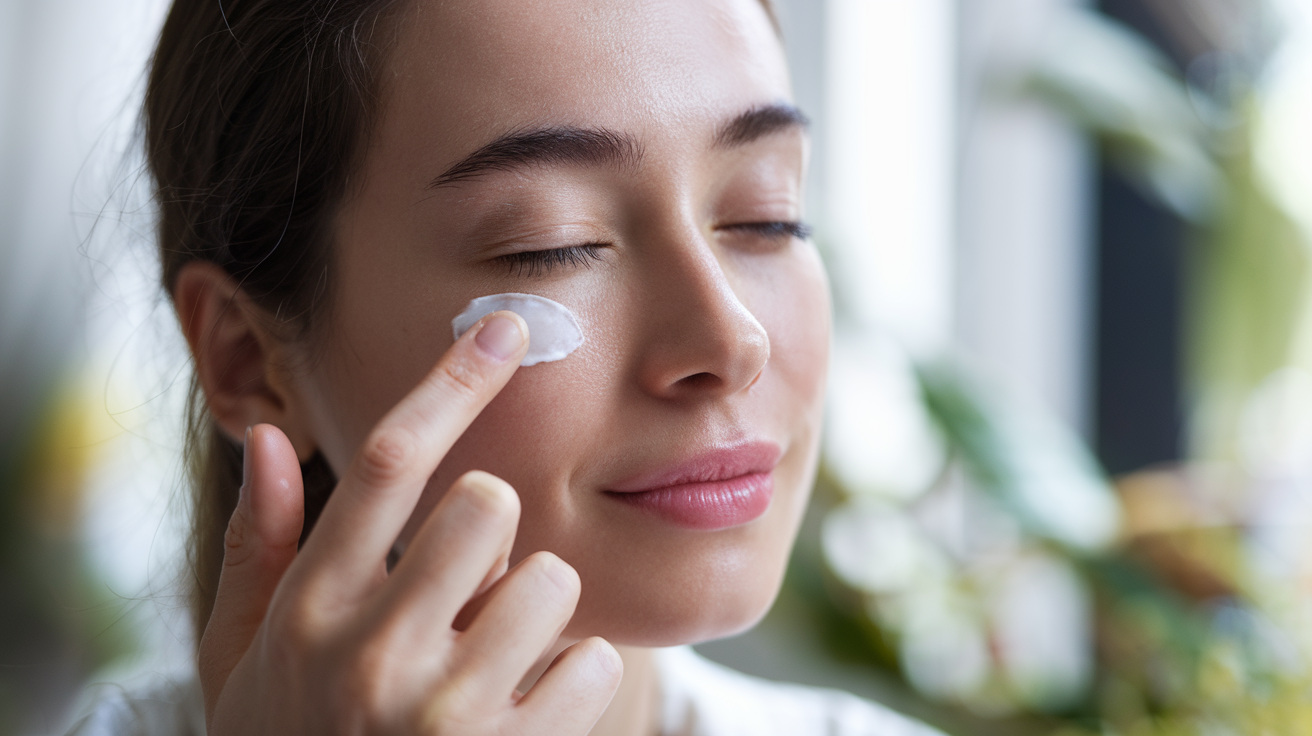
The skin around your eyes is thinner than anywhere else on your face. It has fewer oil glands, which means it gets dry faster. It also moves constantly—every blink, squint, smile, and frown creates motion that can eventually show up as fine lines.
Starting an eye cream routine early doesn't mean you're vain. It means you're giving that delicate skin the hydration and support it needs before dryness becomes visible texture. Think of it like moisturizing your hands before they crack in winter. Prevention is easier than correction.
That said, starting early doesn't mean slathering on heavy retinol creams in your teens. It means matching your product to your actual skin needs at each stage of life.
The Best Age to Start Using Eye Cream (20s, 30s, 40s+)
Here's how to think about eye cream timing based on age and lifestyle.
In Your 20s
If you're in your twenties, you probably don't have deep lines yet. But if you spend hours on screens, forget sunglasses, or wake up with puffy eyes after late nights, your eye area is already working overtime.
A lightweight hydrating eye cream is all you need. Look for ingredients like hyaluronic acid, peptides, or caffeine. These help keep the skin plump and calm without overwhelming it. You're not treating wrinkles—you're keeping the skin comfortable and hydrated so it doesn't start looking tired or dry.
If you wear makeup, an eye cream also gives you a smoother base so concealer doesn't settle into texture.
In Your 30s
This is when most people start noticing the first faint lines. Maybe they show up when you smile, or maybe you see a crease when you're applying makeup. This is a great time to add a more active eye cream to your routine.
Look for products with retinol, bakuchiol, or vitamin C. These ingredients can help support skin texture and tone over time. You're not trying to erase anything—you're helping the skin stay smoother-looking and more resilient as it naturally changes.
Consistency matters more than product strength. A gentle eye cream used every night will do more than a potent formula used once a week.
Tired of seeing under-eye lines before you see yourself?
If the tiny creases under your eyes make you look more tired than you feel, this guide shows the simple under-eye routine that helps soften the look of dry lines, crepey texture, and tired skin without guessing or wasting weeks on random products.
In Your 40s and Beyond
By your forties, the skin around your eyes has been through decades of movement, sun exposure, and natural collagen loss. You might notice deeper lines, a bit of crepiness, or a hollowed look that wasn't there before.
This is when richer, more nourishing eye creams make sense. Look for formulas with retinol, ceramides, niacinamide, or peptides. These ingredients can help support the skin barrier and improve the overall texture and tone of the under-eye area.
You may also want to add an eye cream with SPF for daytime, or make sure you're using sunglasses and a broad-spectrum face sunscreen that covers the eye area. Sun damage is one of the biggest contributors to visible aging around the eyes.
Early Signs You Need to Start an Eye Cream Routine
Age is just one factor. Your skin will tell you when it's time to start. Here are the early signs that your eye area could use some extra care.
Your under-eyes feel tight or dry. Even if you don't see lines yet, dryness is a sign that the skin needs more hydration. A basic eye cream can help keep the area soft and comfortable.
You see faint lines when you smile or squint. These are called dynamic lines, and they're normal. But if they're starting to stick around even when your face is relaxed, it's a good time to start using a product that supports skin texture.
Your concealer settles into texture. If your makeup looks great when you apply it but sinks into fine lines an hour later, your under-eye skin is likely dehydrated. An eye cream can create a smoother base.
Your eyes look tired even after a full night's sleep. Puffiness, dullness, or a shadowed look can all benefit from an eye cream with brightening or de-puffing ingredients like caffeine or niacinamide.
You've noticed changes in texture. If the skin under your eyes looks thinner, crepier, or less smooth than it used to, that's a sign it could use more moisture and support.
If you're seeing any of these signs, it's worth starting a simple routine. You don't need to wait for deep wrinkles to begin caring for the area.
How to Choose Your First Eye Cream Based on Your Age
Choosing your first eye cream doesn't have to be complicated. Start by thinking about what your skin actually needs right now.
If you're in your 20s or early 30s, choose a lightweight, hydrating formula. Look for hyaluronic acid, glycerin, or peptides. Avoid heavy oils or thick creams unless your skin is very dry. You want something that absorbs quickly and feels comfortable under makeup.
If you're in your mid-30s to early 40s, look for a cream with gentle active ingredients like retinol, bakuchiol, or vitamin C. Start slow—use it a few nights a week and build up as your skin adjusts. Pair it with a hydrating serum or moisturizer to avoid dryness.
If you're in your mid-40s and beyond, choose a richer formula with multiple active ingredients. Look for retinol, peptides, ceramides, and antioxidants. You may also want a separate daytime eye cream with SPF or a tinted formula that brightens as it protects.
No matter your age, patch test new products and give them at least a few weeks before deciding if they're working. The skin around your eyes is sensitive, so introduce new actives slowly and watch for irritation.
If you want a step-by-step breakdown of how to build a simple under-eye routine that actually makes sense for your skin type and concerns, check out this affiliate one for a complete walkthrough.
Final Thoughts
There's no perfect age to start using eye cream. The right time is when your skin starts asking for it—whether that's dryness, texture changes, or the first faint lines that won't smooth out with just face moisturizer.
Starting early with a simple, hydrating formula can help keep the under-eye area looking smoother and less tired over time. As your skin changes, you can adjust your routine to match. The goal isn't to freeze time—it's to support your skin so it looks healthy, rested, and comfortable at every age.
If you're ready to start but don't know where to begin, this affiliate one walks you through exactly what to look for and how to use it without wasting money on products that don't fit your needs.