Disclosure: This post contains affiliate links. We may earn a commission at no extra cost to you.
When Should You Apply Eye Cream? Morning or Night for Best Results
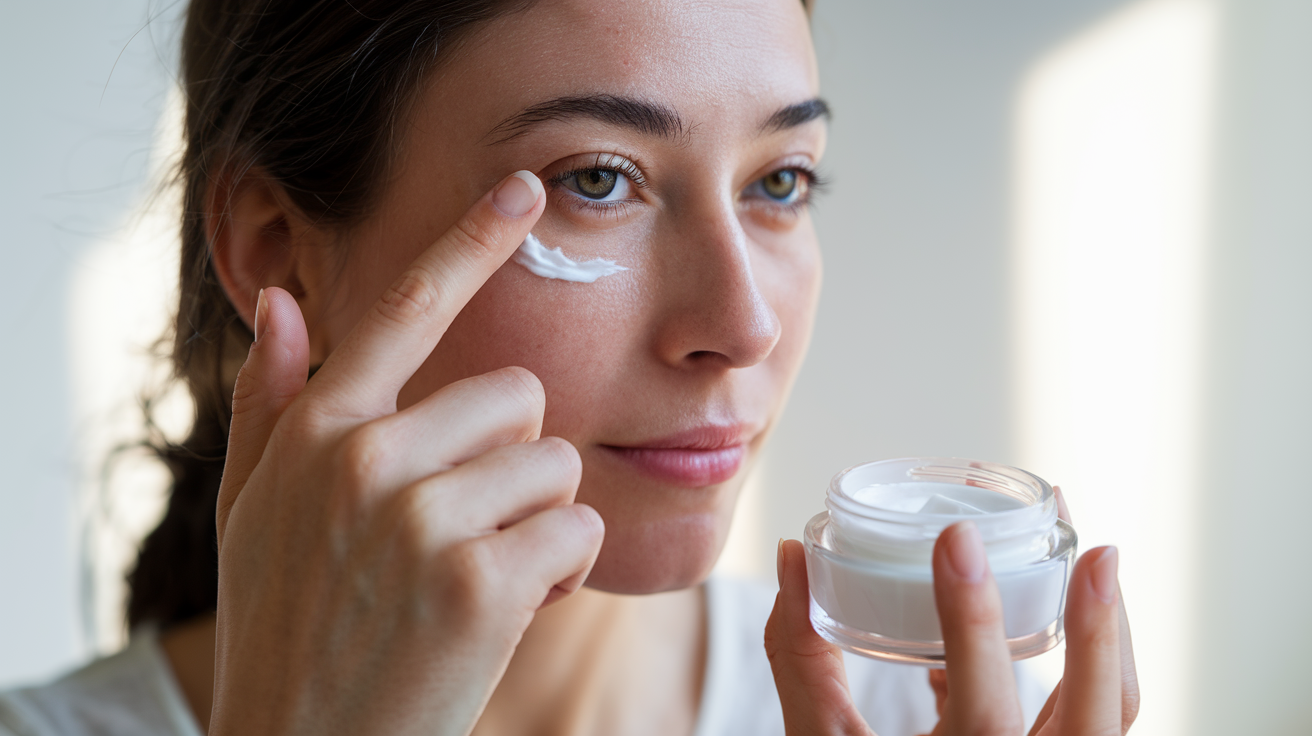
Have you ever stood in front of the mirror, eye cream in hand, wondering if you're applying it at the wrong time of day? You're not alone. The timing of your eye cream application can influence how well the formula works with your skin's natural rhythms and how it layers with the rest of your routine.
While both morning and nighttime application have their place, understanding what each time slot offers helps you make the most of your eye cream. Some formulas work better during the day under makeup, while others are designed to support skin overnight. Let's break down the differences so you can decide what works best for your needs.

Why Timing Matters for Eye Cream Effectiveness
Your skin doesn't behave the same way all day long. During daylight hours, the delicate under-eye area faces environmental stressors like UV exposure, pollution, and free radicals from screen time. At night, your skin shifts into repair mode, working to recover from daily damage.
Morning eye creams are typically formulated to protect and prep. They often include lighter textures that absorb quickly, making them suitable under concealer or foundation. Many contain ingredients like caffeine to help reduce the appearance of puffiness, or light-reflecting particles to brighten the look of tired eyes.
Nighttime formulas tend to be richer and more focused on supporting the skin's natural renewal process. They may include nourishing oils, peptides, or retinol alternatives that work best without sun exposure. The thicker consistency isn't a problem at night since you're not layering makeup on top.
Choosing the right timing also helps you avoid issues like pilling under makeup or overwhelming the thin under-eye skin with too many active ingredients at once.
Morning Eye Cream Application Benefits and Best Products
Applying eye cream in the morning sets the stage for how your under-eye area looks throughout the day. A lightweight, hydrating formula can help smooth the appearance of fine lines and create a better canvas for concealer.
Look for morning eye creams with caffeine, which may temporarily help reduce the look of puffiness by constricting blood vessels. Hyaluronic acid is another great daytime ingredient, as it helps skin hold moisture without feeling heavy or greasy.
If you wear makeup, choose a formula that absorbs within a minute or two. Gel-based or serum-like textures work well under cosmetics. Avoid anything too oily or thick in the morning, as these can cause concealer to crease or slide.
For those concerned about environmental aging, morning is the ideal time to apply an eye cream with antioxidants like vitamin C or green tea extract. These ingredients may help protect the delicate under-eye skin from daily stressors.
One smart approach is to check out an affiliate one before choosing your morning eye cream, especially if you're dealing with multiple concerns like dark circles and crepey texture at the same time.
Tired of seeing under-eye lines before you see yourself?
If the tiny creases under your eyes make you look more tired than you feel, this guide shows the simple under-eye routine that helps soften the look of dry lines, crepey texture, and tired skin without guessing or wasting weeks on random products.
Nighttime Eye Cream Routine for Maximum Anti-Aging Results
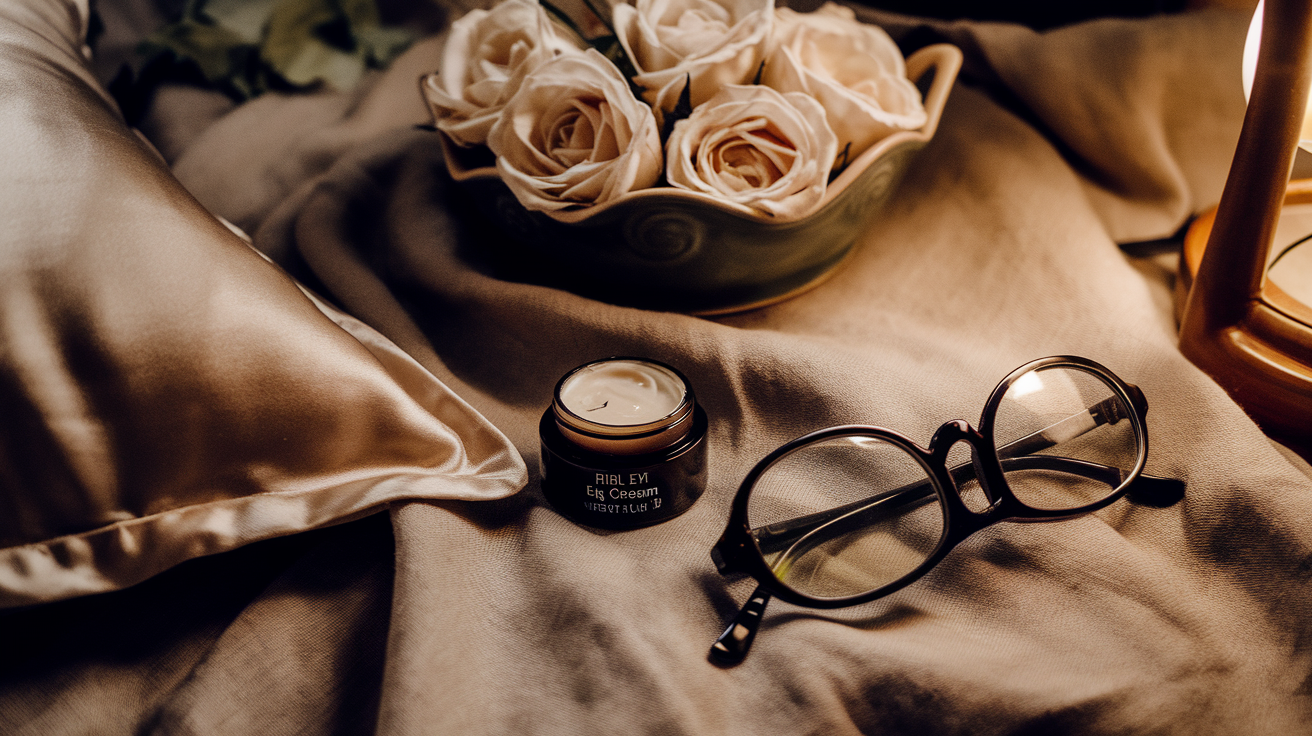
Nighttime is when your skin does its heavy lifting. While you sleep, cellular turnover increases and the skin works to repair damage accumulated during the day. This makes evening the optimal window for richer, more treatment-focused eye creams.
Night eye creams often contain ingredients like peptides, which may help support the look of firmer skin over time. Retinol and bakuchiol are also common in nighttime formulas, as these ingredients can make skin more sensitive to sunlight and work best when applied before bed.
The thicker texture of many night creams provides intensive hydration to help reduce the appearance of dry, crepey skin by morning. Look for formulas with nourishing ingredients like squalane, shea butter, or ceramides if your under-eye area feels tight or flaky.
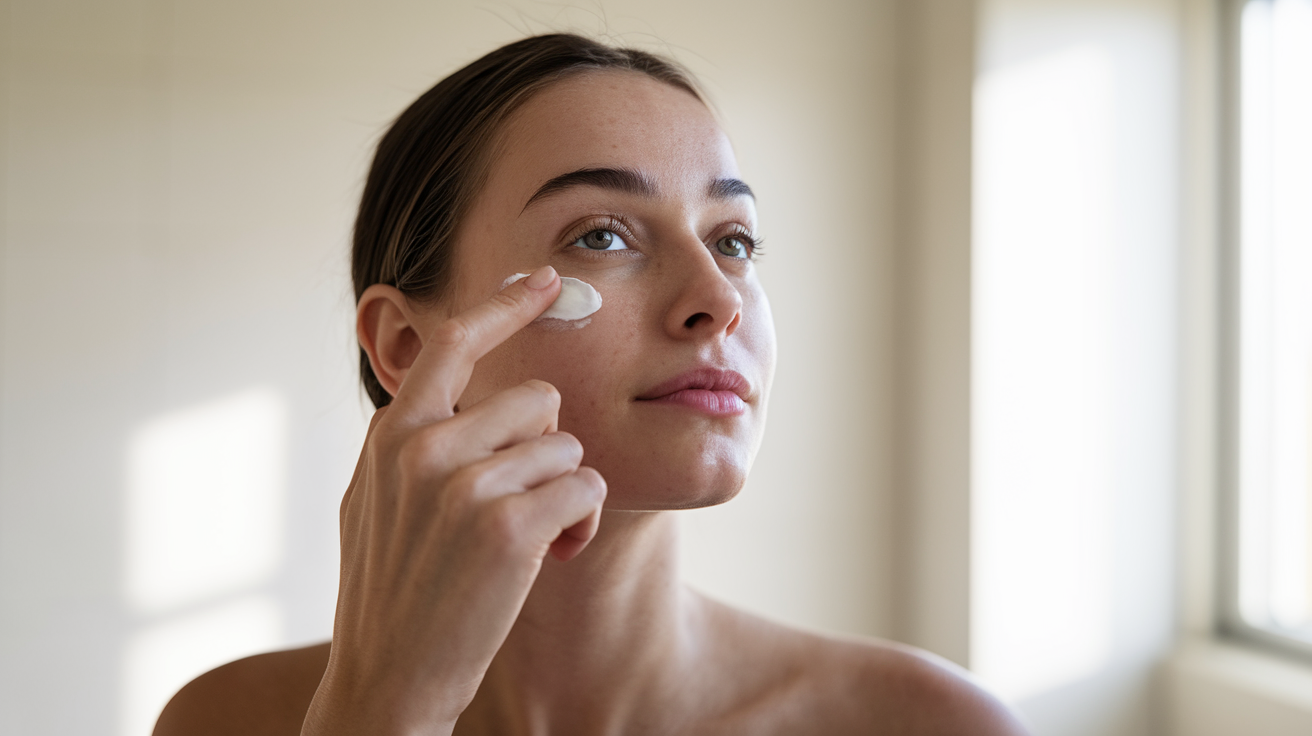
Apply your nighttime eye cream after cleansing and any treatment serums, but before your moisturizer. Use your ring finger to gently pat the product along the orbital bone, avoiding tugging or pulling the delicate skin.
If you're layering multiple products at night, give each one a minute to absorb before adding the next. This prevents pilling and ensures each formula can work effectively.
Can You Use Eye Cream Twice Daily? Expert Recommendations
The short answer is yes, you can absolutely use eye cream both morning and night. In fact, many skincare professionals recommend twice-daily application for those who want to address multiple concerns or maintain a preventative routine.
Using eye cream twice daily allows you to customize your approach. You might use a lightweight, caffeine-infused gel in the morning for a less puffy appearance, then switch to a richer peptide cream at night to help soften the look of fine lines.
However, twice-daily application isn't always necessary. If you're new to eye cream or have sensitive skin, starting with once-daily use at night is a smart way to see how your skin responds before adding a morning application.
Pay attention to how your under-eye area feels. If it seems irritated, red, or overly sensitive, you may be using too much product or applying too frequently. The skin around your eyes is thinner than the rest of your face and can become overwhelmed more easily.
For personalized guidance on building an eye cream routine that addresses your specific concerns, an affiliate one can walk you through the step-by-step process without the guesswork.
The best approach is the one you'll stick with consistently. Whether that's morning, night, or both depends on your lifestyle, skin concerns, and how your under-eye area responds. Start with what feels manageable, then adjust based on what you see in the mirror over the following weeks.
Remember that eye cream works gradually. You won't see dramatic overnight changes, but with consistent use over several weeks, you may notice smoother-looking skin, a reduction in the appearance of fine lines, and less tired-looking eyes overall.