Disclosure: This post contains affiliate links. We may earn a commission at no extra cost to you.
What Does Eye Cream Texture Tell You About Quality and Effectiveness?
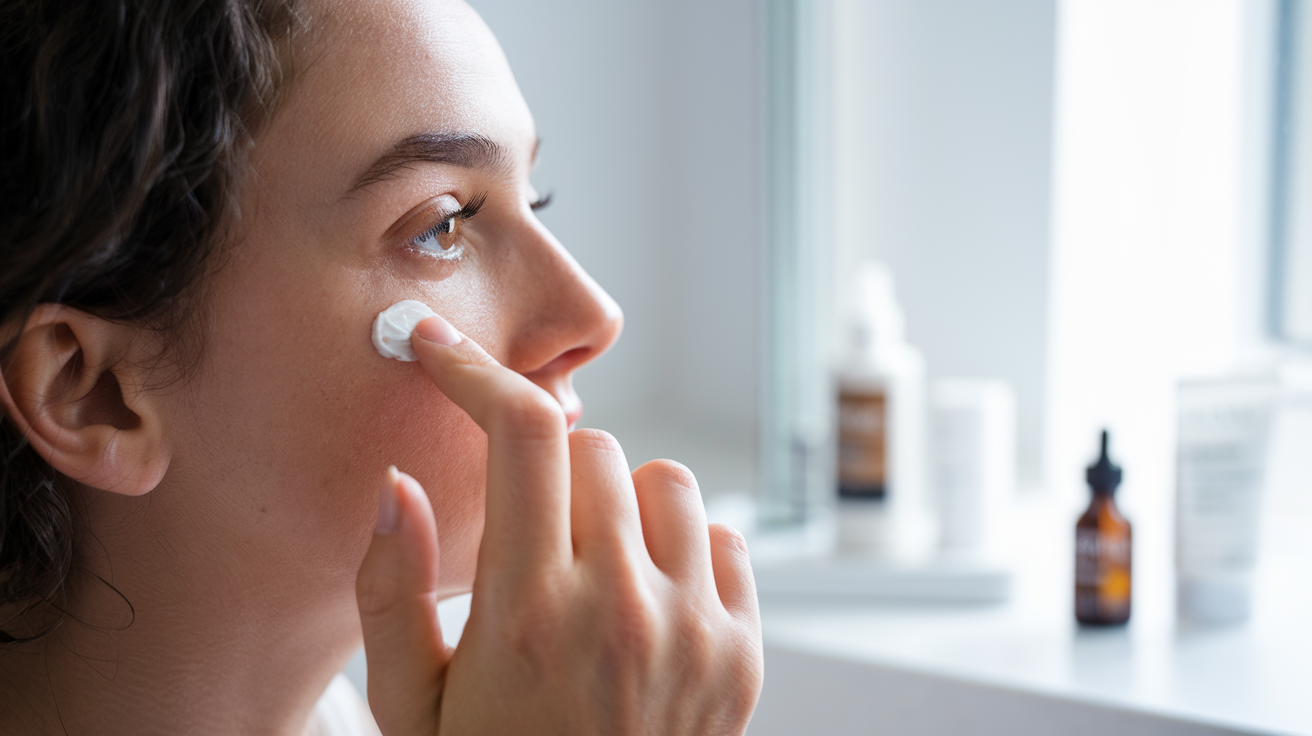
Have you ever opened a new eye cream, touched it with your fingertip, and wondered if that thick, slippery, or almost watery texture means it'll actually do anything? You're not alone. Most of us judge skincare by packaging or ingredient lists, but texture is one of the most overlooked clues about how well a product will work for your specific under-eye concerns.
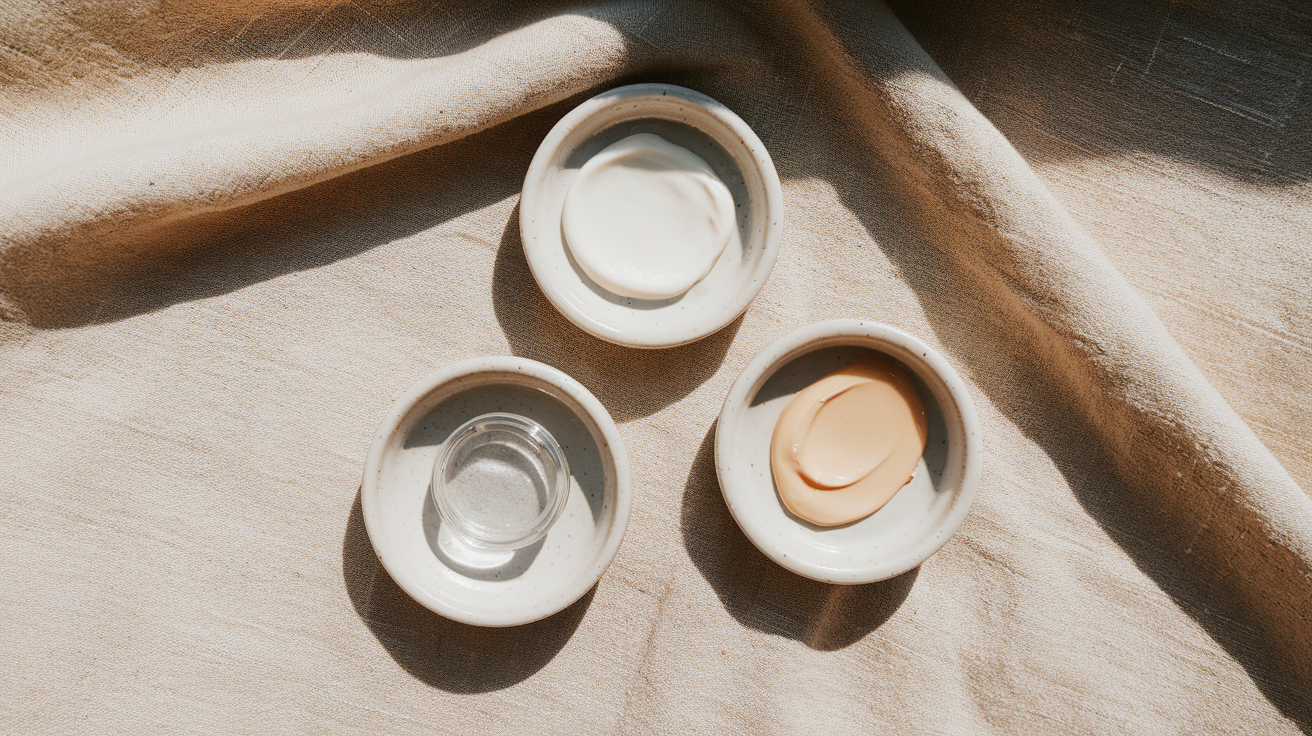
Texture isn't just about how a product feels. It tells you how ingredients are delivered, how fast they absorb, whether they'll pill under makeup, and even if the formula is still safe to use. Understanding what different textures mean can help you choose smarter and avoid wasting money on products that don't match your skin's needs.
Why Eye Cream Texture Matters More Than You Think
The skin around your eyes is thinner and more delicate than anywhere else on your face. That means it reacts differently to different formulations. A heavy cream that works beautifully on dry cheeks might sit on top of your under-eye area and cause milia. A lightweight gel that feels refreshing might evaporate too quickly to help with dryness.
Texture also affects how well active ingredients penetrate. Thicker textures create a barrier that locks in moisture, which is helpful for mature or very dry skin. Lighter textures allow ingredients like peptides and antioxidants to absorb faster, which works better for puffiness or oily-prone skin.
And here's something most people don't think about: texture changes over time. A cream that starts smooth and silky can become grainy, separated, or watery as it ages. That shift isn't just cosmetic. It can mean the formula has broken down and may no longer deliver the benefits it once did.
Tired of seeing under-eye lines before you see yourself?
If the tiny creases under your eyes make you look more tired than you feel, this guide shows the simple under-eye routine that helps soften the look of dry lines, crepey texture, and tired skin without guessing or wasting weeks on random products.
Decoding Different Eye Cream Textures: Gel vs Cream vs Serum
Each texture type has a purpose. Knowing what each one does helps you pick the right formula for your skin and lifestyle.
Gel textures are usually clear or translucent and feel cool and bouncy. They absorb quickly and work well for puffiness, oily skin, or anyone who wears makeup during the day. Gels are often water-based, so they're less likely to cause milia or feel heavy. However, they may not provide enough moisture for very dry or mature skin that needs more barrier support.
Cream textures are thicker, often opaque, and take longer to absorb. They're typically oil-based or emulsion-based, which makes them better for locking in moisture and supporting the skin barrier. Creams work well for dry skin, mature skin, or nighttime use when you don't need to layer makeup. The downside is they can feel greasy or heavy if your skin doesn't need that much richness.
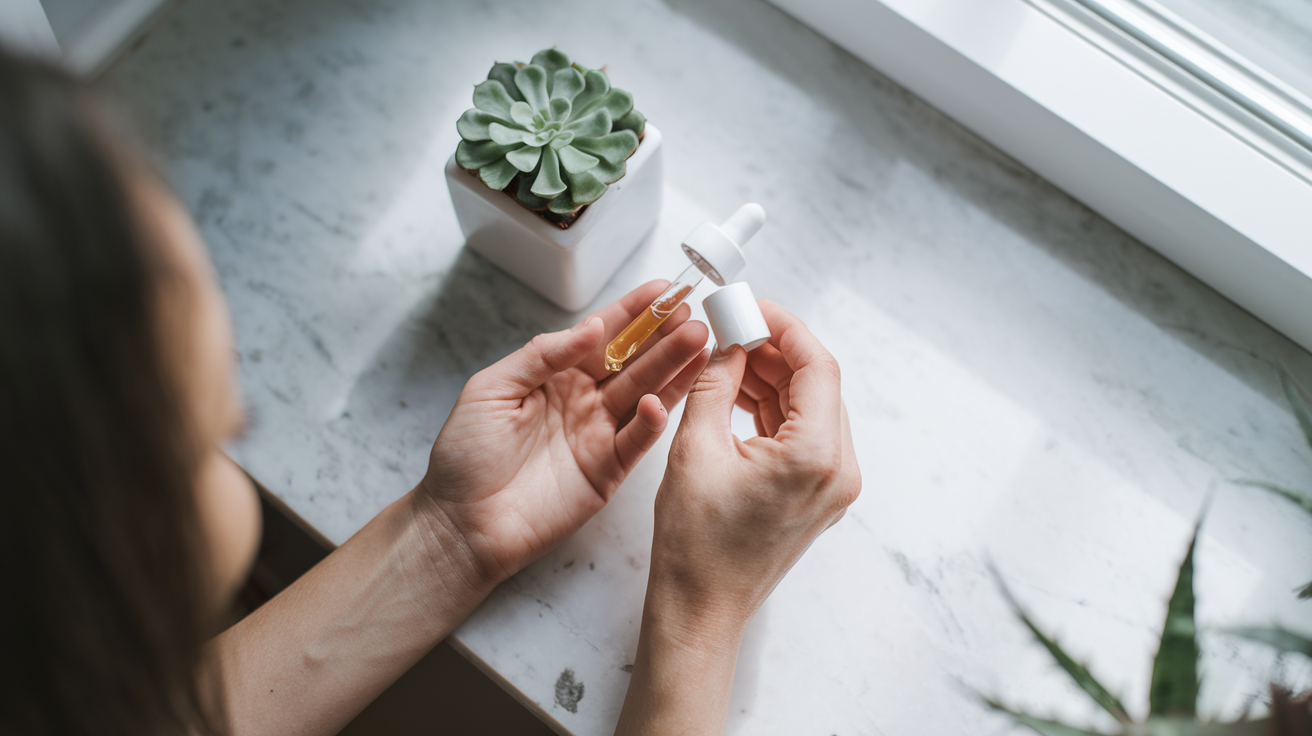
Serum textures fall somewhere in between. They're usually lightweight and silky, with a slightly viscous feel. Serums are designed to deliver concentrated active ingredients without the heaviness of a cream. They absorb faster than creams but offer more nourishment than gels. Serums work well for layering or for people who want targeted benefits like brightening or smoothing without a heavy finish.
Some products blend textures, like gel-creams or serum-creams. These hybrids try to balance hydration with lightweight feel, which can be helpful if you're between skin types or seasons.
How to Match Eye Cream Texture to Your Under Eye Concerns
Your under-eye concerns should guide your texture choice. Here's how to match them up.
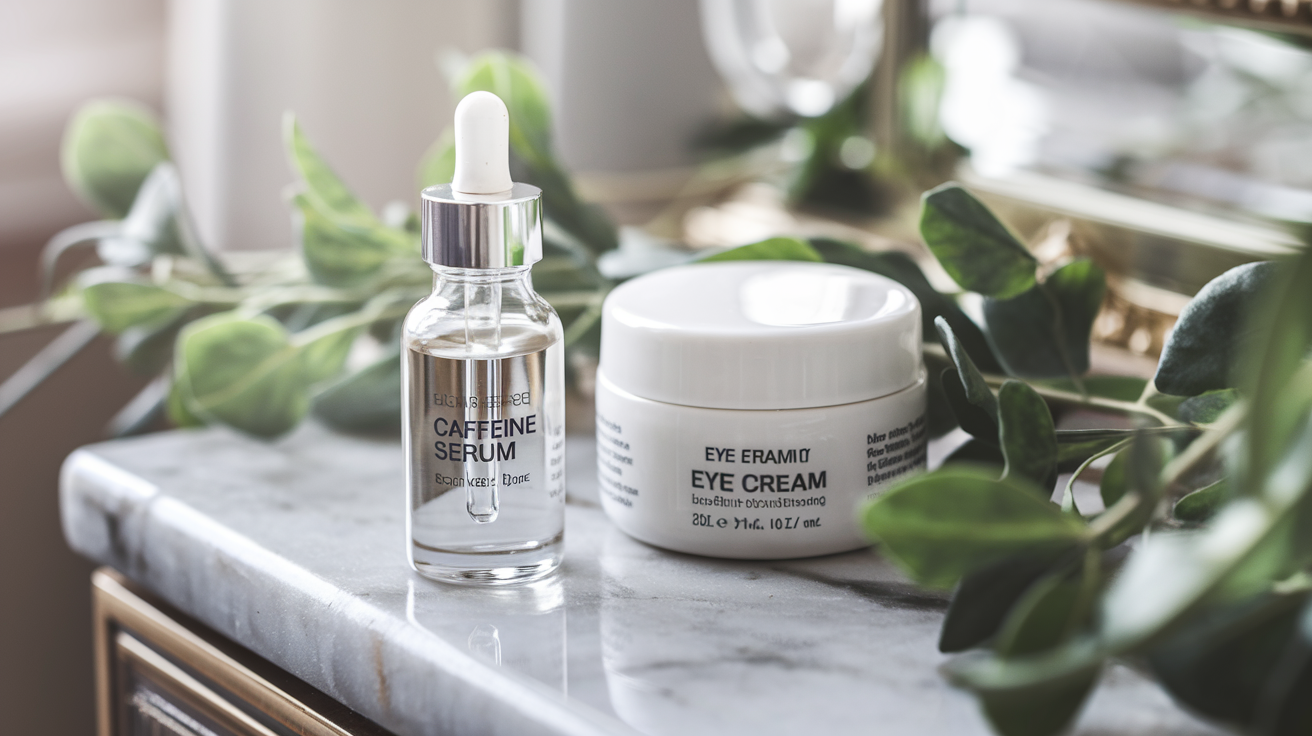
If you're dealing with puffiness or fluid retention, look for gel or serum textures. These formulas feel cooling and absorb quickly, which helps reduce the look of swelling without adding weight. Ingredients like caffeine or peptides work well in lighter textures because they penetrate faster.
If you have dry lines or crepey texture, a richer cream texture is usually more helpful. Creams provide the moisture and barrier support that dry skin needs to look smoother and more plump. Look for textures that feel soft and slightly emollient, not waxy or stiff. You can find more affiliate one insights on choosing formulas that support hydration without feeling greasy.
If you're concerned about dark circles, texture matters less than ingredient delivery. However, a serum or lightweight cream works best because these textures layer well under concealer and don't interfere with makeup application.
If you have sensitive skin or a history of milia, stick with gel or serum textures. Avoid thick, occlusive creams that can trap oil and clog the tiny pores around your eyes. Look for non-comedogenic formulas that feel breathable.
If you're using eye cream under makeup, choose a texture that absorbs within a minute or two. Gels and lightweight serums work best. Thick creams can cause pilling or make concealer slide around.
For nighttime-only use, you have more flexibility. Richer textures work well overnight because you don't need to worry about makeup or shine. A slightly heavier cream can help support the skin barrier while you sleep.
Signs Your Eye Cream Texture Has Gone Bad
Even high-quality eye creams can break down over time. Texture changes are often the first sign that a product is past its prime.
If your cream has separated into layers, with oil pooling on top or water collecting at the bottom, the emulsion has broken down. This means the formula is no longer stable and may not deliver ingredients evenly.
If the texture has become grainy or gritty, ingredients like peptides or retinoids may have crystallized. This can happen with temperature fluctuations or age. The product may still be safe, but it won't feel pleasant or absorb well.
If your eye cream has turned watery or runny when it used to be thick, the formula has likely degraded. This is common with products stored in warm or humid bathrooms.
If the texture feels sticky, tacky, or refuses to absorb when it used to sink in smoothly, the preservatives may have broken down or the formula may have oxidized.
And of course, if there's any off smell, discoloration, or visible mold, toss it immediately. Texture changes paired with these signs mean the product is no longer safe to use near your eyes.
Most eye creams last 6 to 12 months after opening, depending on packaging and preservatives. Jars degrade faster than pumps or tubes because they're exposed to air and fingers every time you use them.
If you're not sure whether your product is still good, compare the current texture to how it felt when you first opened it. Any major change is a red flag. You can also check the affiliate one resource for more guidance on product freshness and formula quality.
Texture is one of the most honest indicators of how well an eye cream will work for you. It's not about finding the fanciest formula. It's about finding the one that matches your skin, your concerns, and your routine. Pay attention to how products feel, how they absorb, and how they perform over time. That awareness will help you build a smarter, more effective eye care routine that actually supports smoother-looking, less tired-looking skin.