Disclosure: This post contains affiliate links. We may earn a commission at no extra cost to you.
Should Eye Cream Be Thick or Thin? The Complete Guide to Choosing the Right Texture
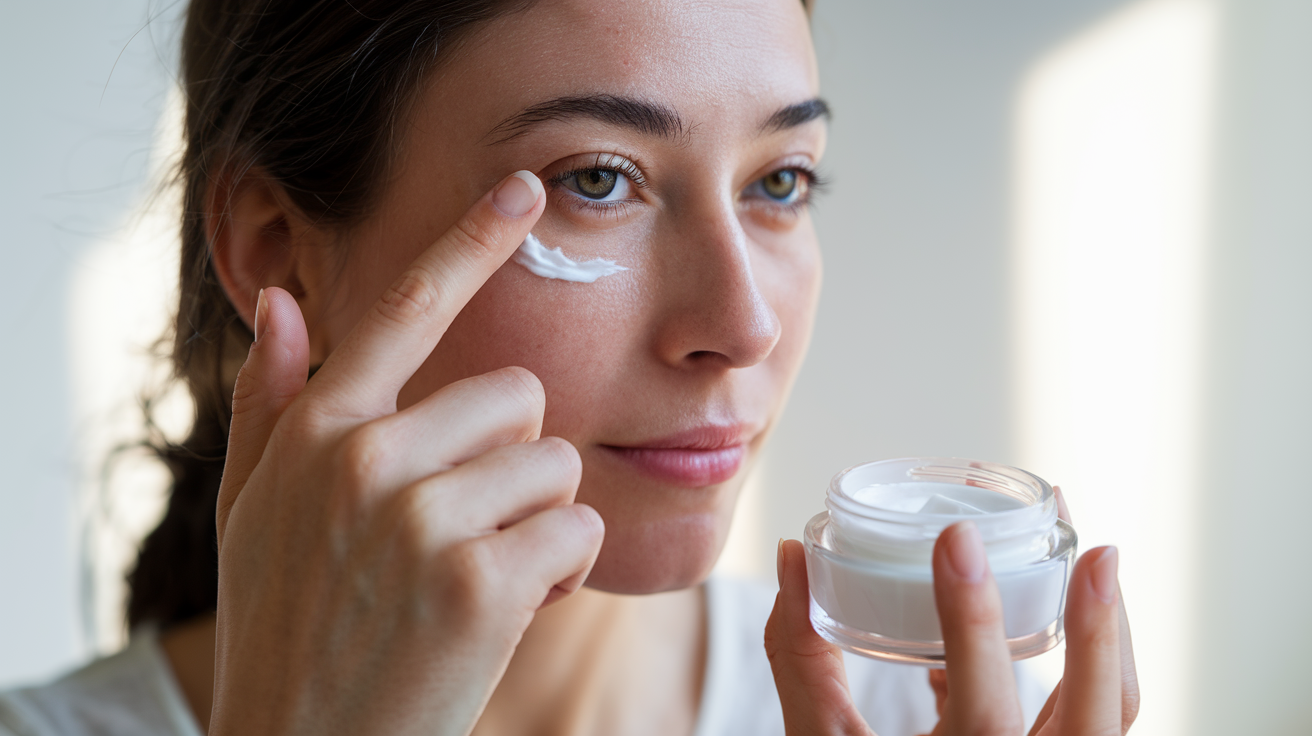
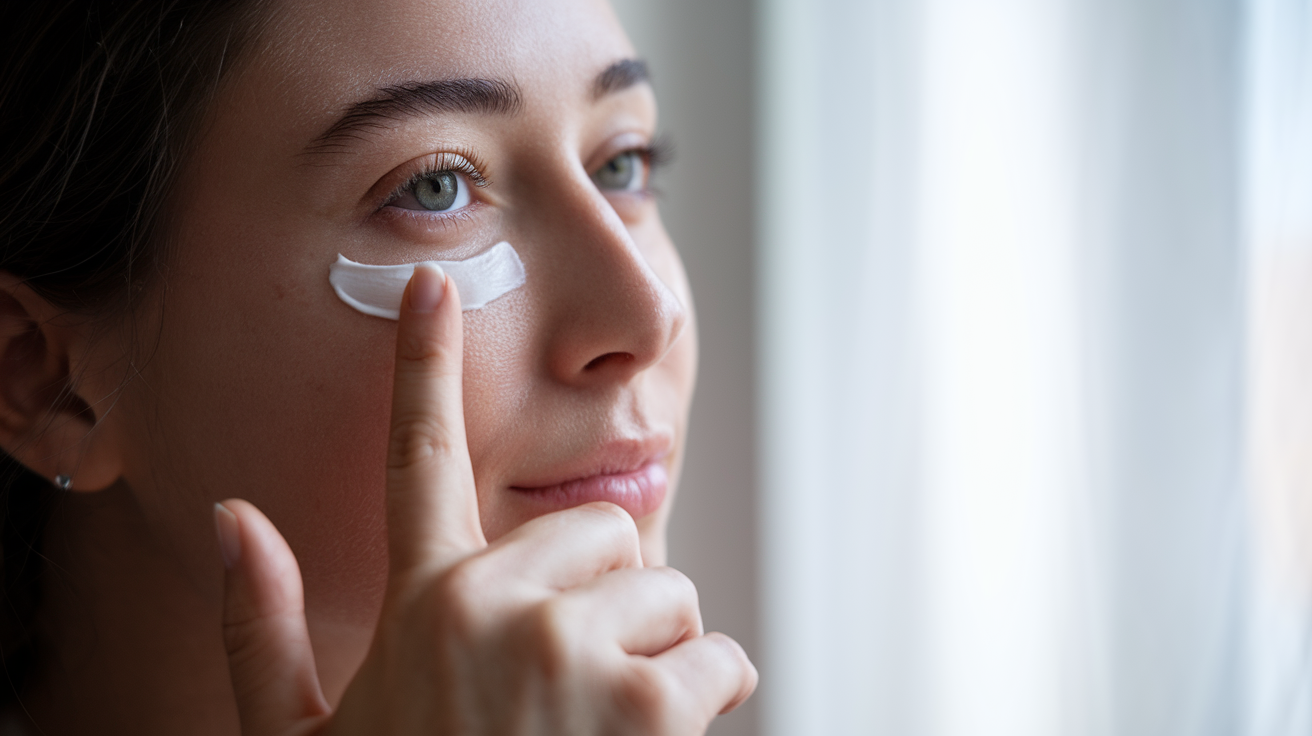
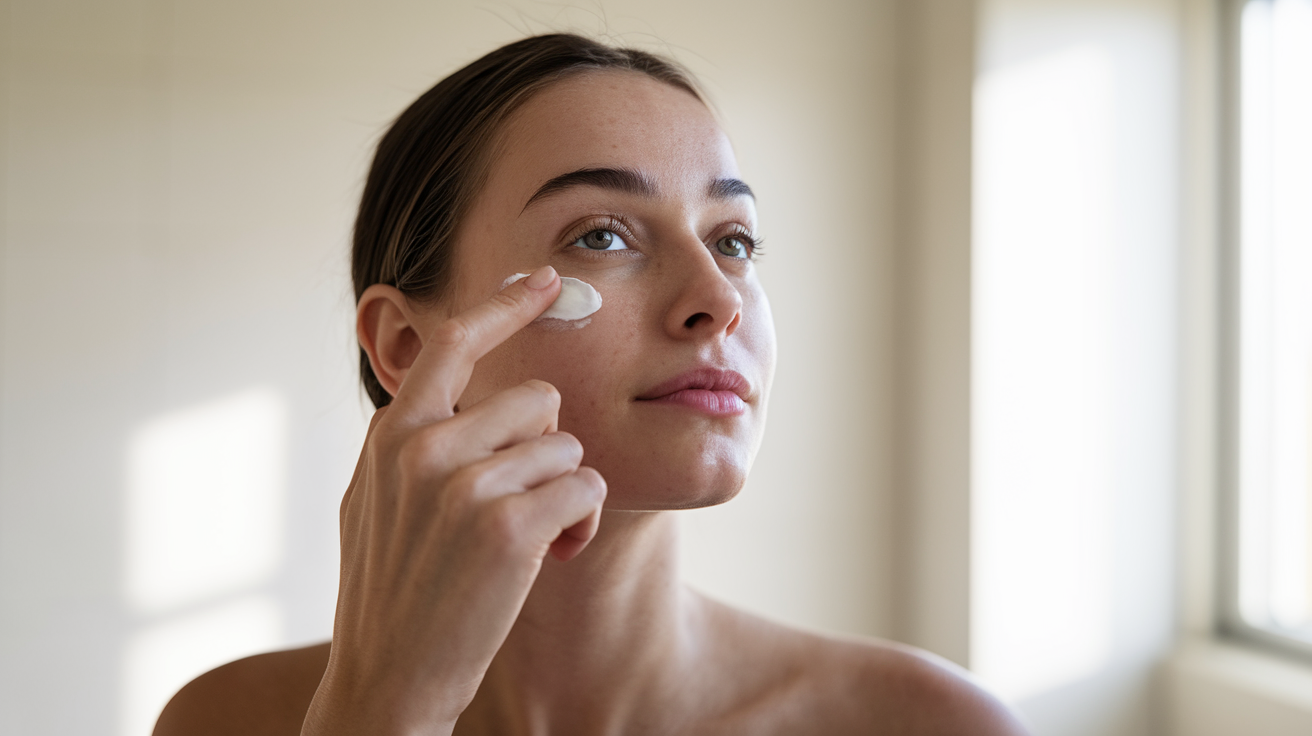
Ever stood in the skincare aisle staring at two eye creams wondering if the thick balm or the lightweight gel would actually work better for your under-eye area? You're not alone. The texture of your eye cream isn't just about how it feels going on—it can actually affect how well it addresses your specific concerns, from dry lines to puffiness to that tired look that won't quit.
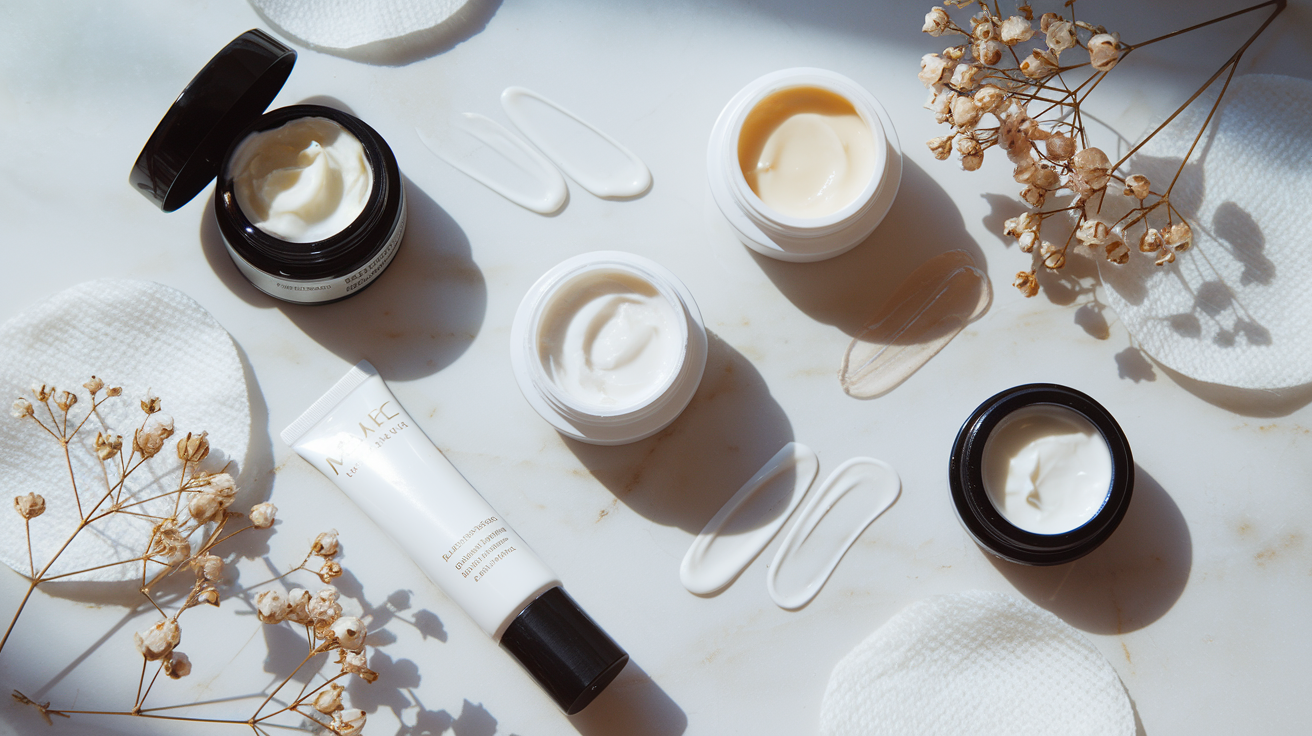
Let's clear up the confusion once and for all. The right consistency depends on your skin type, your specific under-eye issues, and even the time of day you're applying it.
Why Eye Cream Consistency Matters for Results
The texture of your eye cream affects how ingredients penetrate the delicate skin around your eyes. Thicker creams create a protective barrier that can help lock in moisture, while thinner formulas tend to absorb faster and layer more easily under makeup.
Your under-eye skin is the thinnest on your entire face—about 0.5mm compared to 2mm elsewhere. That means it loses moisture faster and shows signs of dryness more quickly. The consistency you choose should match what your skin actually needs, not just what feels luxurious in the jar.
If you have crepey texture or very dry skin, a thin serum might absorb too quickly without providing enough nourishment. But if you're dealing with puffiness or oily lids, a heavy cream could sit on the surface and make the problem worse.
Tired of seeing under-eye lines before you see yourself?
If the tiny creases under your eyes make you look more tired than you feel, this guide shows the simple under-eye routine that helps soften the look of dry lines, crepey texture, and tired skin without guessing or wasting weeks on random products.
Thick Eye Creams: Benefits and Best Uses
Thick, rich eye creams typically have a balm-like or buttery texture. They're packed with emollients like shea butter, ceramides, and peptides that sit on the skin longer and create a protective layer.
These heavier formulas work best for dry or mature skin that needs serious hydration support. If your under-eye area looks crepey, feels tight, or shows visible dry lines by midday, a thicker cream can help soften that appearance.
They're also ideal for nighttime use when you don't need to worry about makeup application. While you sleep, a richer cream has hours to work without being disturbed by concealer or powder.
The downside? Thick creams can sometimes pill under makeup, feel heavy on oily skin, or even contribute to milia (those tiny white bumps) if your skin doesn't absorb oils well. If you notice your concealer sliding around or your under-eyes looking shinier than the rest of your face, the formula might be too rich for you.
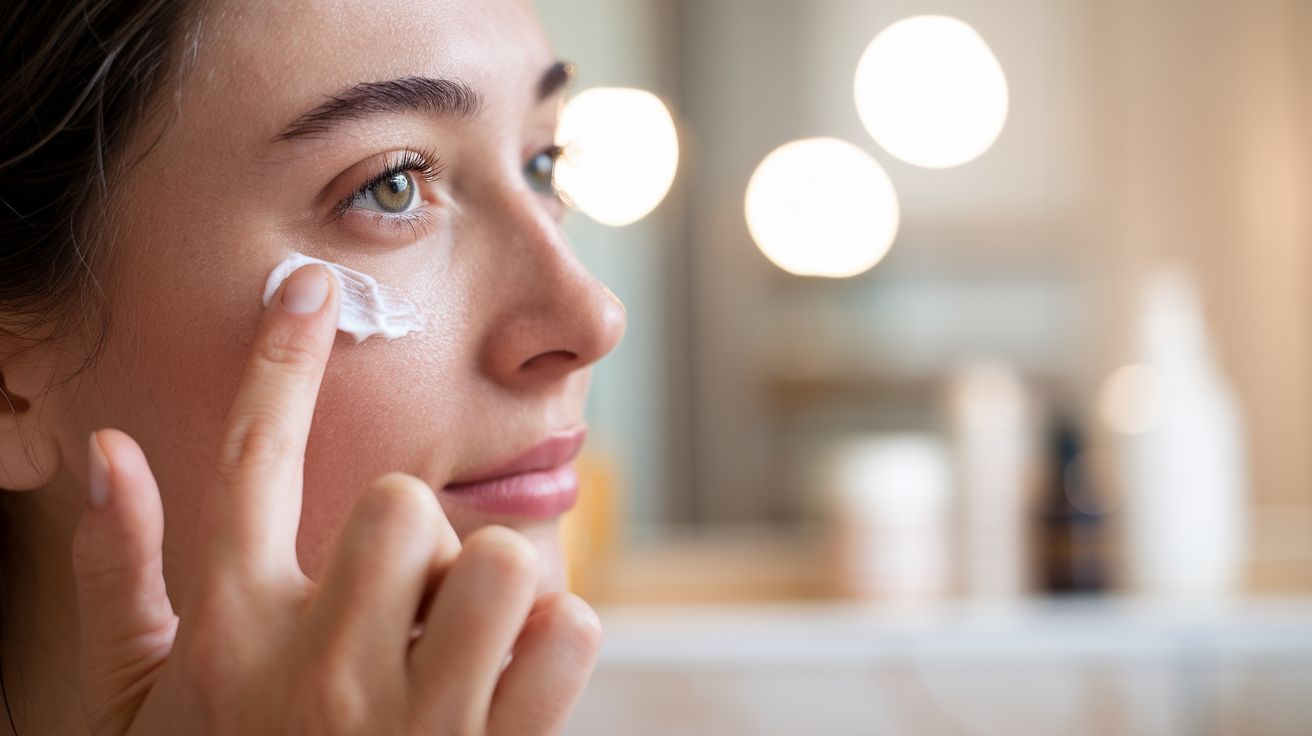
Thin Eye Creams and Serums: When to Choose Lightweight
Lightweight eye creams and serums have a gel-like or lotion texture that absorbs almost instantly. They usually contain more water-based ingredients like hyaluronic acid, niacinamide, and caffeine.
These formulas are perfect for morning routines when you need something that layers well under makeup without creasing or pilling. They're also better suited for oily or combination skin that doesn't need heavy moisture.
If puffiness is your main concern, a thin cooling gel can help reduce the appearance of swelling better than a thick cream. The lighter texture doesn't trap heat the way heavier formulas can.
But if your skin is very dry or you have visible crepey texture, a thin serum alone might not provide enough moisture to soften the look of fine lines. You may need to layer it under a richer cream at night, or look for affiliate one that walks you through combining textures effectively.
How to Match Eye Cream Texture to Your Skin Needs
Start by identifying your primary under-eye concern. If you see dry lines, crepey skin, or tightness, lean toward thicker creams with nourishing ingredients. If you deal with puffiness, oiliness, or makeup issues, go lighter.
Consider using different textures at different times. A lightweight gel in the morning creates a smooth base for concealer, while a richer cream at night gives your skin the deep hydration it needs to look smoother and less tired over time.
Pay attention to how your skin feels an hour after application. If your under-eyes still feel tight or look flaky, the formula might be too thin. If they feel greasy or your makeup won't stick, it's probably too thick.
And remember that your needs can change with the seasons. Skin that loves a gel in humid summer months might crave something richer when winter dryness hits.
For a detailed breakdown of which ingredients work best in each texture and how to build a complete under-eye routine that actually makes sense for your concerns, check out this affiliate one designed specifically for tired-looking eyes and dry lines.
The bottom line? There's no universal answer to whether eye cream should be thick or thin. The best texture is the one that addresses your specific skin needs, fits into your routine, and makes your under-eye area look less tired and smoother over time. Start with your biggest concern, test the texture under your usual makeup routine, and adjust from there.
Published October 11, 2026