Disclosure: This post contains affiliate links. We may earn a commission at no extra cost to you.
How to Look Less Tired: 7 Eye Area Fixes That Actually Work
Ever wonder why your eyes still look exhausted even after a full night of rest? You're not alone. The eye area is often the first place that shows signs of fatigue, and sometimes it has nothing to do with how much sleep you actually got. The good news? There are specific, practical steps you can take right now to help your eyes look more refreshed and awake.

Why Your Eyes Look Tired (Even After 8 Hours of Sleep)
The skin around your eyes is incredibly thin—about ten times thinner than the rest of your face. This means it shows fluid retention, poor circulation, and volume loss more obviously than other areas.
When you sleep, fluid can pool under your eyes, creating puffiness. Add in factors like salt intake, allergies, or simply how you position your head at night, and you wake up looking tired regardless of your actual rest.
Age also plays a role. As we get older, the fat pads under our eyes can shift or diminish, creating shadows that look like dark circles. The delicate skin can also lose firmness, making fine lines and a crepey texture more visible.
Understanding these factors helps you target the real issues instead of just covering them up.
The 60-Second Morning Massage That Reduces Puffiness
A quick lymphatic drainage massage can help move stagnant fluid away from your under-eye area. This isn't complicated—you just need clean hands and about one minute.
Start at the inner corner of your eye, using your ring finger (it applies the gentlest pressure). Lightly tap along the orbital bone, moving outward toward your temples. Then, sweep down along the side of your face toward your jawline. This encourages fluid to drain naturally.
Do this motion three to five times on each side. You can do it before applying your skincare or even over your moisturizer. For an extra boost, keep a jade roller or metal spoons in the fridge and use those instead of your fingers—the cool temperature helps constrict blood vessels and reduce swelling.
The key is consistency. One session won't change everything, but making this a daily habit can help reduce the appearance of morning puffiness over time.
Tired of seeing under-eye lines before you see yourself?
If the tiny creases under your eyes make you look more tired than you feel, this guide shows the simple under-eye routine that helps soften the look of dry lines, crepey texture, and tired skin without guessing or wasting weeks on random products.
Strategic Hydration: Where and When to Apply Eye Products
Not all eye creams work the same way, and where you apply them matters more than you might think.
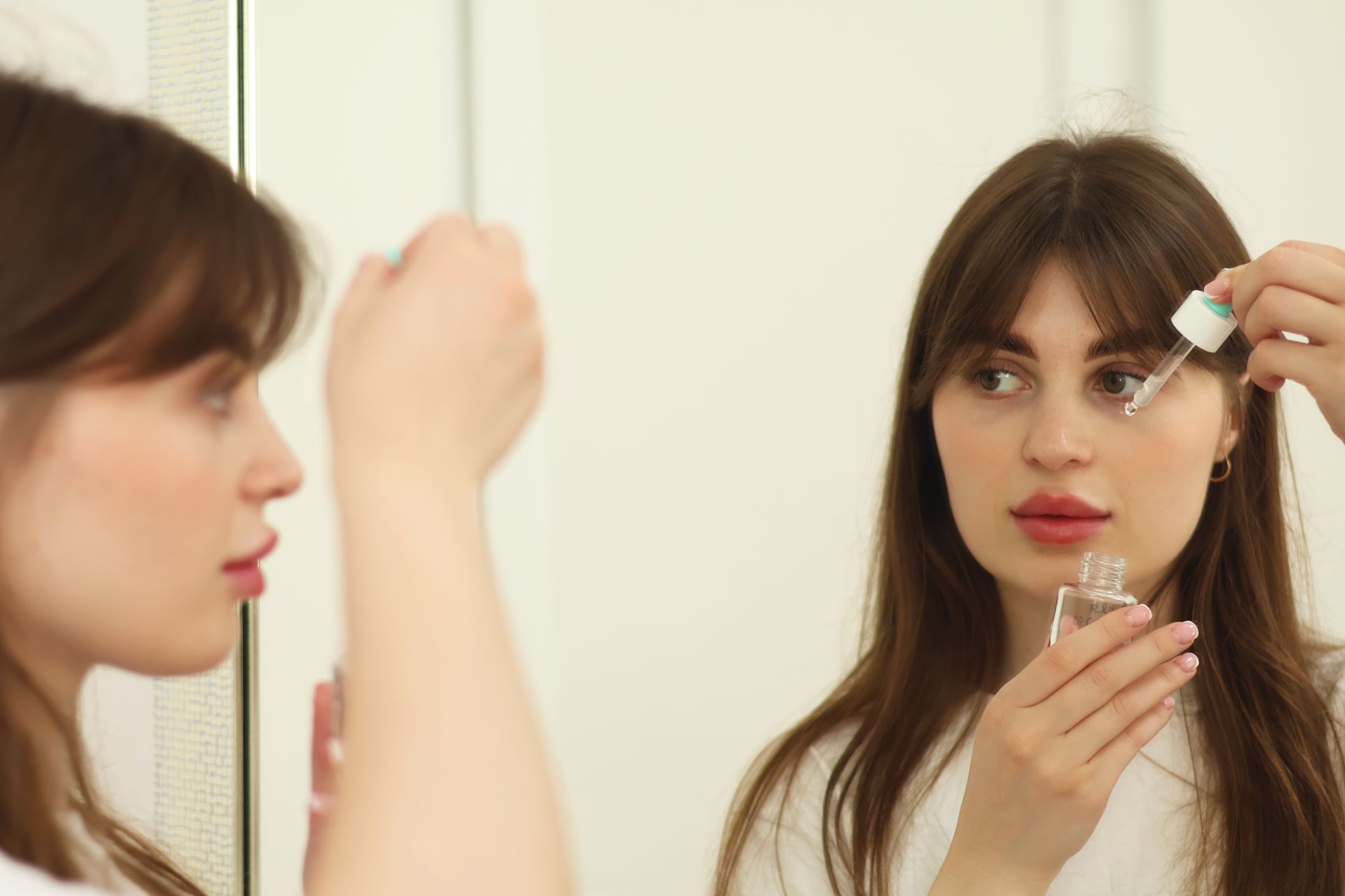
For puffiness, focus on the lower lid and the area just below the orbital bone. Avoid applying heavy creams too close to your lash line, as they can migrate into your eyes overnight and cause swelling.
For fine lines and crepey texture, you want hydration on the entire orbital area—under the eye, on the outer corners, and even on the upper eyelid if your product is safe for that use.
Timing also plays a role. Apply your eye products on damp skin right after cleansing to help lock in moisture. If you're using an affiliate one with targeted ingredients, give it a minute to absorb before layering other products on top.
And remember: a little goes a long way. A pea-sized amount is enough for both eyes. Over-applying won't speed up results and can actually lead to irritation or milia.

The Makeup Trick That Instantly Brightens Tired Eyes
This one's a game-changer: stop using concealer that's too light, and start using one that's just slightly peachy or salmon-toned under your regular shade.
Dark circles often have blue or purple undertones. A color-correcting step neutralizes those tones before you even apply concealer, so you don't need as much product or coverage.
Apply a thin layer of peach or salmon corrector (choose peach for lighter skin, salmon for medium to deep skin) only on the darkest areas. Pat it in gently with your ring finger. Then, go over it with a concealer that matches your skin tone.
Set it lightly with a translucent powder, but don't overdo it—too much powder settles into fine lines and makes the area look drier and older.
Another trick: add a tiny dot of champagne or light gold highlighter to the inner corner of your eyes. This draws light to the area and makes your eyes look more open and awake.
Lifestyle Habits That Make Eyes Look More Awake
Skincare and makeup help, but your daily habits have just as much impact on how tired your eyes look.
Sleep position matters. Sleeping on your back prevents fluid from pooling under your eyes. If you're a side sleeper, try using an extra pillow to keep your head slightly elevated.
Watch your salt intake, especially in the evening. High sodium causes water retention, which shows up most obviously around your eyes the next morning.
Stay hydrated throughout the day. Dehydrated skin looks more crepey and emphasizes fine lines. Aim for consistent water intake rather than chugging a lot right before bed, which can also contribute to puffiness.
Manage allergies. Rubbing your eyes due to allergies breaks down collagen and causes pigmentation over time. If you deal with seasonal allergies, talk to a healthcare provider about management options.
Limit screen time before bed. Blue light affects your sleep quality, and poor sleep shows up in your eye area fast.
The Best Eye Product Layering Order for Maximum Results
If you're using multiple eye products, the order you apply them can make or break their effectiveness.
Start with the thinnest consistency and work your way up to the thickest. Here's a typical order:
Morning: Eye serum (if using), eye cream, SPF. Yes, you need sun protection around your eyes. UV exposure accelerates aging in this delicate area.
Evening: Eye serum (if using), treatment product like retinol or peptides, then a richer eye cream or overnight mask.
If you're using a treatment product with active ingredients, give it a few minutes to absorb before applying your moisturizing eye cream. This prevents dilution and helps each product work as intended.
For a streamlined approach that takes the guesswork out of layering, check out this affiliate one that walks you through building an effective routine step by step.
When to See Results and What to Expect
Let's set realistic expectations. You won't see dramatic changes overnight, but you should notice some improvements within a specific timeframe depending on what you're addressing.
Puffiness from fluid retention can improve within minutes to hours using massage, cool compresses, or caffeine-based products.
Hydration and smoother-looking texture typically show improvement within one to two weeks of consistent moisturizing.
Fine lines and a softer appearance around deeper lines may take four to eight weeks, especially if you're using products with active ingredients like peptides or retinol.
Dark circles are the trickiest. If they're genetic or due to bone structure, topical products can only do so much. But if they're caused by pigmentation or poor circulation, you may see gradual improvement over two to three months.
The most important thing? Stick with your routine. Consistency beats perfection every time.
Looking less tired isn't about chasing perfection—it's about supporting your skin in a way that helps you look as rested as you feel. With the right combination of technique, products, and habits, you can help your eyes look brighter, smoother, and more awake.