Disclosure: This post contains affiliate links. We may earn a commission at no extra cost to you.
Eye Cream Dupes: 7 Drugstore Alternatives to Luxury Eye Creams That Actually Work
Ever wonder why some luxury eye creams cost over $100 while drugstore versions with similar ingredients sit on shelves for under $20? If you've been justifying that splurge on a designer jar because nothing else seems worth trying, you might be surprised at what affordable formulas can actually do for the delicate skin around your eyes.
The truth is, many drugstore eye creams contain the same active ingredients found in high-end products. You're often paying for packaging, marketing, and prestige rather than performance. Let's break down which budget-friendly options can help your under-eye area look smoother and more refreshed without the luxury price tag.
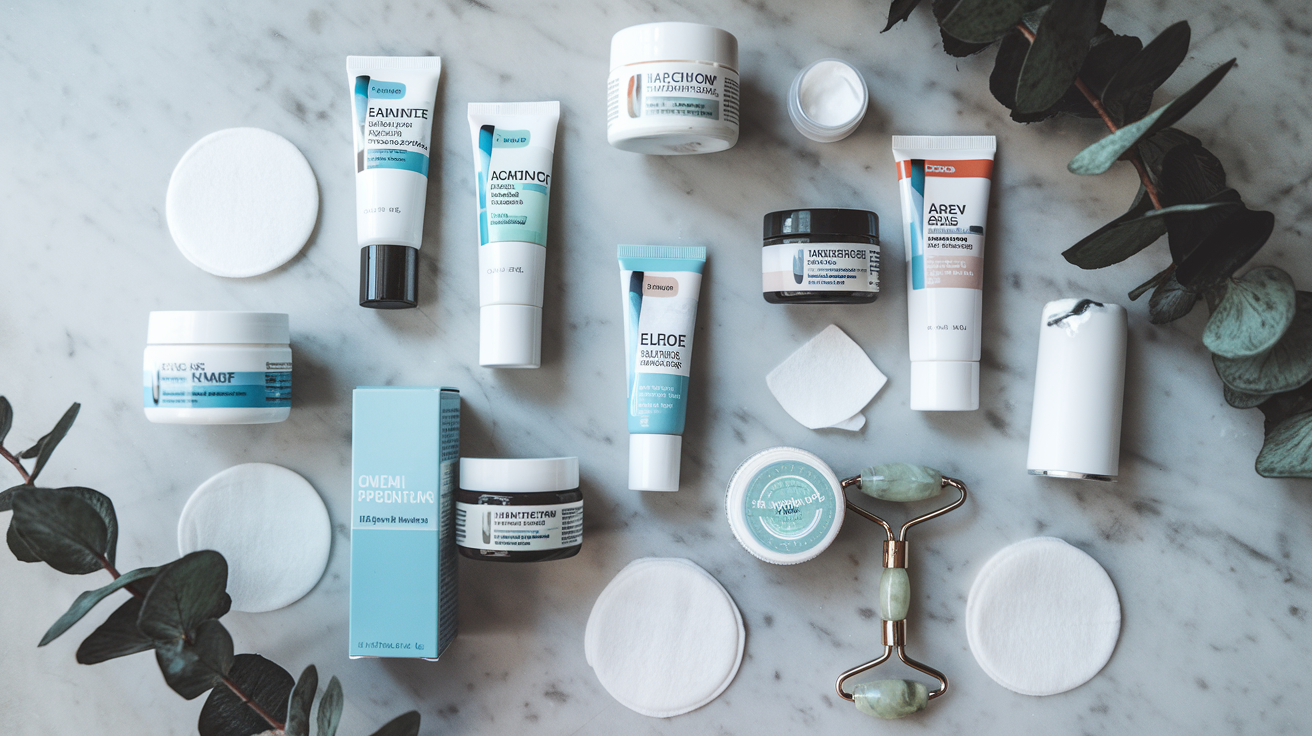
Why Eye Cream Dupes Are Worth Considering
The skincare industry thrives on the idea that more expensive equals better. But when you start reading ingredient labels, you'll notice that many drugstore eye creams feature the same proven actives as their luxury counterparts.
Peptides, hyaluronic acid, caffeine, and retinol don't become more effective just because they're in a frosted glass jar. What matters is the concentration, formulation stability, and how well your skin tolerates the product.
Affordable eye creams also let you experiment without the guilt. If a formula doesn't work for your specific concerns, you're out $15 instead of $150. That financial freedom means you can actually find what works rather than forcing yourself to finish an expensive product that's not doing much.
Plus, consistency matters more than cost. An eye cream you can afford to repurchase every month will always outperform a luxury product you stretch out for six months because you can't justify replacing it.
Key Ingredients to Look for in Affordable Eye Creams
When comparing drugstore options to their luxury counterparts, focus on the active ingredients that actually make a difference in how your under-eye skin looks and feels.
Caffeine helps reduce the appearance of puffiness by temporarily constricting blood vessels. It's especially helpful for morning application when your eyes look tired or swollen.
Hyaluronic acid draws moisture into the skin, which can help plump the appearance of fine lines and make crepey texture look smoother. Look for multiple molecular weights for better penetration.
Peptides support the skin's natural structure and can help the under-eye area appear firmer over time. Palmitoyl peptides and acetyl hexapeptide are common effective options.
Niacinamide brightens the look of dark circles and helps strengthen the skin barrier. It's gentle enough for sensitive eye areas and plays well with other ingredients.
Retinol encourages cell turnover and can help soften the appearance of fine lines. In eye creams, it's usually formulated at lower percentages to minimize irritation.
A good affiliate one will help you understand which ingredients target your specific concerns so you're not just guessing at the drugstore.
Tired of seeing under-eye lines before you see yourself?
If the tiny creases under your eyes make you look more tired than you feel, this guide shows the simple under-eye routine that helps soften the look of dry lines, crepey texture, and tired skin without guessing or wasting weeks on random products.
7 Drugstore Eye Creams That Rival Luxury Brands
Here are seven affordable alternatives that deliver real results without the designer markup.
1. CeraVe Eye Repair Cream vs. La Mer The Eye Concentrate
CeraVe's formula includes ceramides and hyaluronic acid to help restore moisture and support the skin barrier. While La Mer relies on its signature Miracle Broth, CeraVe focuses on proven ingredients at a fraction of the cost. It's fragrance-free and ophthalmologist-tested, making it ideal for sensitive skin.
2. The Inkey List Caffeine Eye Cream vs. Kiehl's Creamy Eye Treatment with Avocado
Both formulas aim to reduce puffiness, but The Inkey List delivers caffeine in a lightweight gel texture that absorbs quickly. It also contains Matrixyl 3000 peptides to help smooth the appearance of fine lines. At under $10, it's a steal compared to Kiehl's $30+ price point.
3. Olay Regenerist Retinol24 Eye Cream vs. RoC Retinol Correxion Eye Cream
Olay combines retinol with niacinamide and peptides for a multi-tasking approach. The fragrance-free formula works overnight to help soften fine lines and brighten dark circles. RoC is also a great retinol option, but Olay's added niacinamide gives it an edge for brightening.
4. Neutrogena Hydro Boost Eye Gel-Cream vs. Clinique All About Eyes
Neutrogena's hyaluronic acid gel-cream absorbs instantly and works beautifully under makeup. Clinique's version is thicker and more emollient, but Neutrogena delivers similar hydration for a quarter of the price. Both are fragrance-free and gentle on sensitive eyes.
5. L'Oréal Revitalift Derm Intensives 2.5% Hyaluronic Acid + Caffeine Eye Serum vs. SkinCeuticals A.G.E. Eye Complex
This drugstore serum packs a serious punch with high-concentration hyaluronic acid and caffeine. While SkinCeuticals includes flavonoids and peptides, L'Oréal's formula addresses puffiness and dehydration effectively without the $100+ price tag.
6. Versed Press Restart Gentle Retinol Eye Cream vs. Sunday Riley Auto Correct Eye Cream
Versed uses encapsulated retinol to minimize irritation while still encouraging smoother-looking skin. Sunday Riley's formula includes caffeine and lutein, but Versed offers retinol benefits at a much more accessible price point for consistent use.
7. Cetaphil Hydrating Eye Gel-Cream vs. Fresh Black Tea Age-Delay Eye Concentrate
Cetaphil combines hyaluronic acid with licorice root extract to brighten and hydrate. Fresh's black tea complex is luxurious, but Cetaphil's dermatologist-tested formula delivers visible moisture and a refreshed appearance without the $70 price difference.
How to Choose the Right Dupe for Your Under Eye Concerns
Not every eye cream works for every concern. Here's how to match your needs with the right affordable option.
If you're dealing with puffiness, look for caffeine as a top ingredient. Gel formulas absorb quickly and feel cooling on swollen morning eyes. Store your eye cream in the fridge for an extra de-puffing boost.
For fine lines and crepey texture, retinol and peptides are your friends. Start with a lower concentration if you're new to retinol around the eyes, and always apply it at night. Pair it with a hydrating formula in the morning to keep skin looking plump.
If dark circles are your main concern, niacinamide and vitamin C can help brighten over time. Keep in mind that some darkness is genetic or due to thin skin showing underlying blood vessels, so results may vary. Consistency is key.
For dryness and dehydration, hyaluronic acid and ceramides help lock in moisture. Layer a richer cream at night and a lighter gel in the morning under sunscreen and makeup.
When trying a new product, patch test near your eye area first. The skin here is thinner and more reactive than the rest of your face. Give each product at least four weeks of consistent use before deciding if it's working.
If you're still unsure where to start, check out this affiliate one for a complete breakdown of routines tailored to specific under-eye issues.
You don't need to spend a fortune to give your under-eye area the attention it deserves. With smart ingredient choices and a bit of patience, drugstore dupes can deliver results that rival their luxury counterparts. Focus on formulas that address your specific concerns, stay consistent, and let your eyes look brighter and more refreshed without the financial stress.