Disclosure: This post contains affiliate links. We may earn a commission at no extra cost to you.
Why You Should Always Patch Test Eye Cream Before Full Application
Have you ever tried a new eye cream, loved the packaging and ingredients, only to wake up the next morning with puffy, irritated eyes? The delicate skin around your eyes reacts differently than the rest of your face, and what works beautifully on your cheeks might cause stinging or redness around your orbital area. That's why patch testing isn't just a suggestion—it's a crucial step that can save you from days of discomfort and wasted product.
What Is Patch Testing and Why It Matters for Eye Creams
Patch testing is the practice of applying a small amount of product to a limited area of skin before using it all over your target zone. Think of it as a preview screening before the full premiere.
The skin around your eyes is about ten times thinner than the skin on your cheeks. It has fewer oil glands, less collagen support, and a more delicate moisture barrier. This means ingredients that feel soothing on your forehead might feel burning or tight near your lash line.
Eye creams often contain potent ingredients like retinol, peptides, caffeine, vitamin C, or alpha hydroxy acids. While these can help reduce the appearance of fine lines and create smoother-looking skin over time, they can also trigger sensitivity if your skin isn't ready for them.
A patch test gives you a 24 to 48-hour window to see how your skin responds before you commit to full application. It's especially important if you have sensitive skin, a history of contact dermatitis, or if you're trying a formula with active ingredients you haven't used before.
If you're exploring new routines and want a structured approach to caring for the under-eye area, this affiliate one walks you through each step with clarity.
How to Properly Patch Test Your Eye Cream Step by Step
Start with clean, dry skin. Remove all makeup, cleanse gently, and pat your face dry with a soft towel. Wait about ten minutes so your skin returns to its normal pH and temperature.
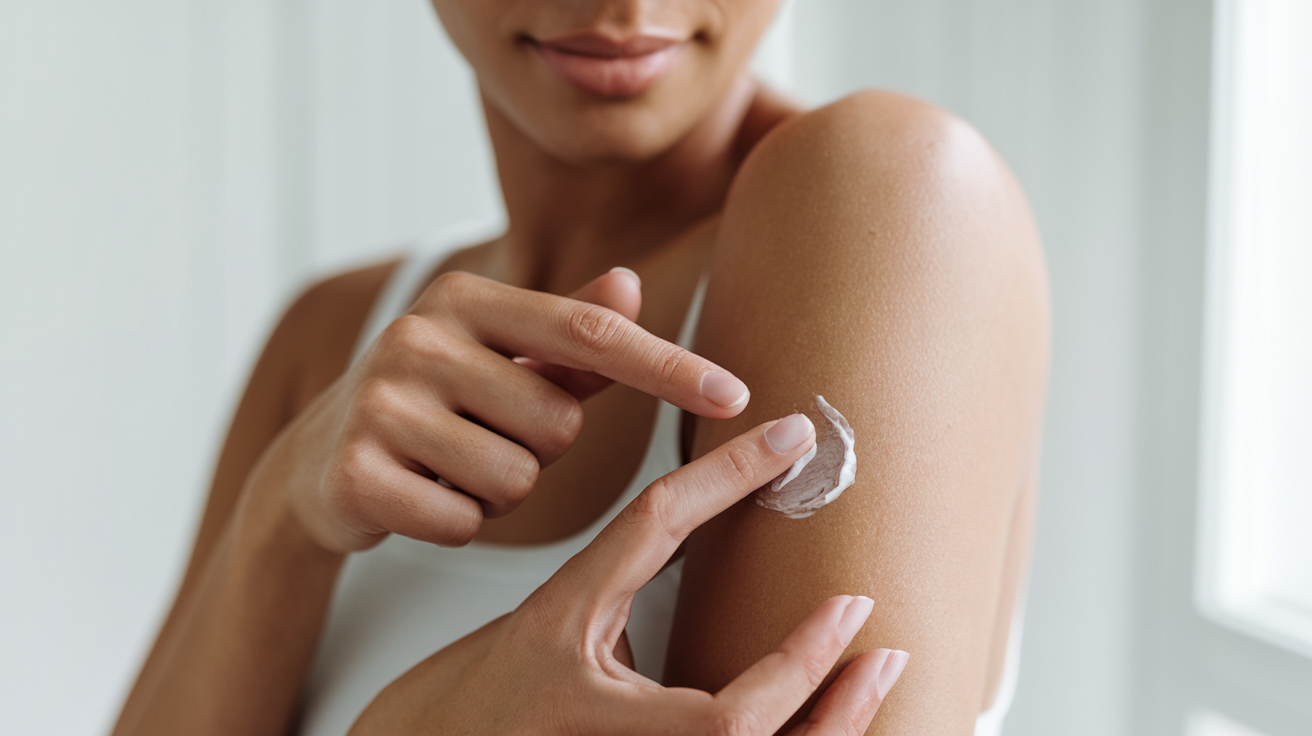
Choose your patch test site. The best spot is behind your ear or on the inner forearm, but for eye creams, you can also test on the outer corner of one eye or along your jawline near your ear. These areas are sensitive enough to give you useful feedback without risking your entire eye area.
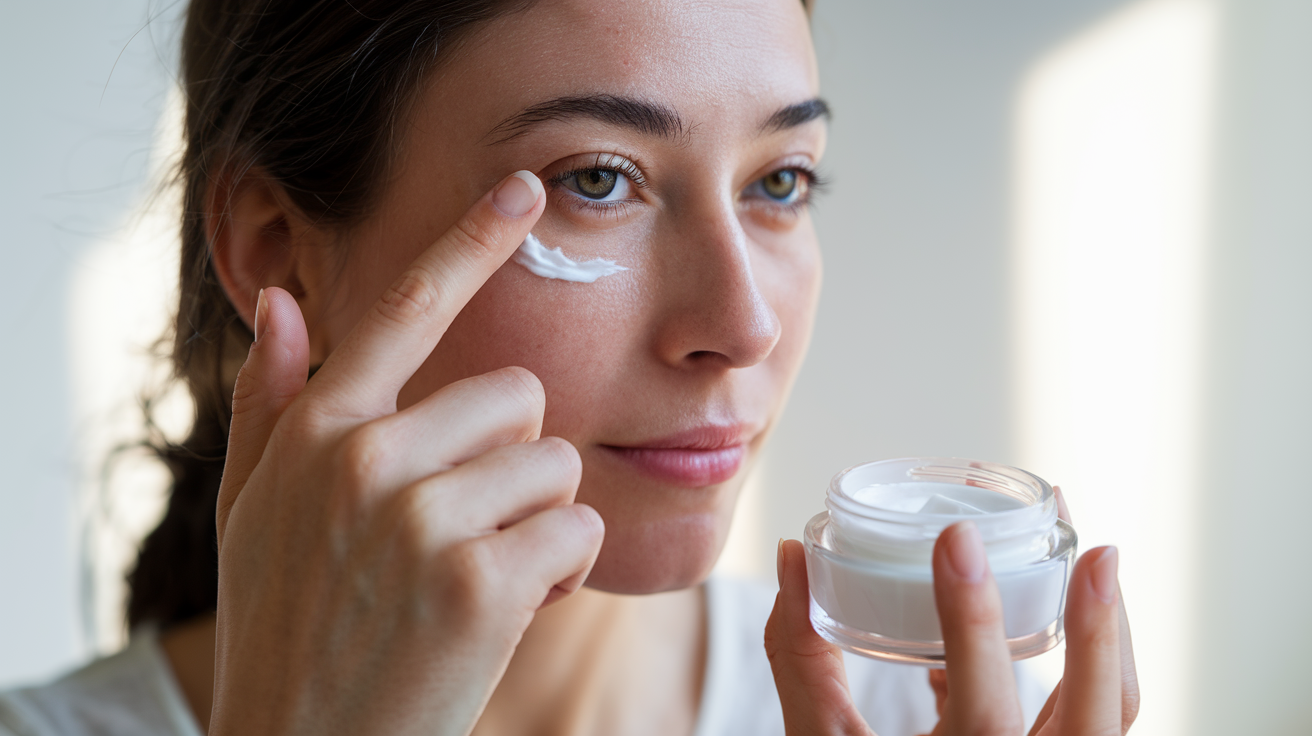
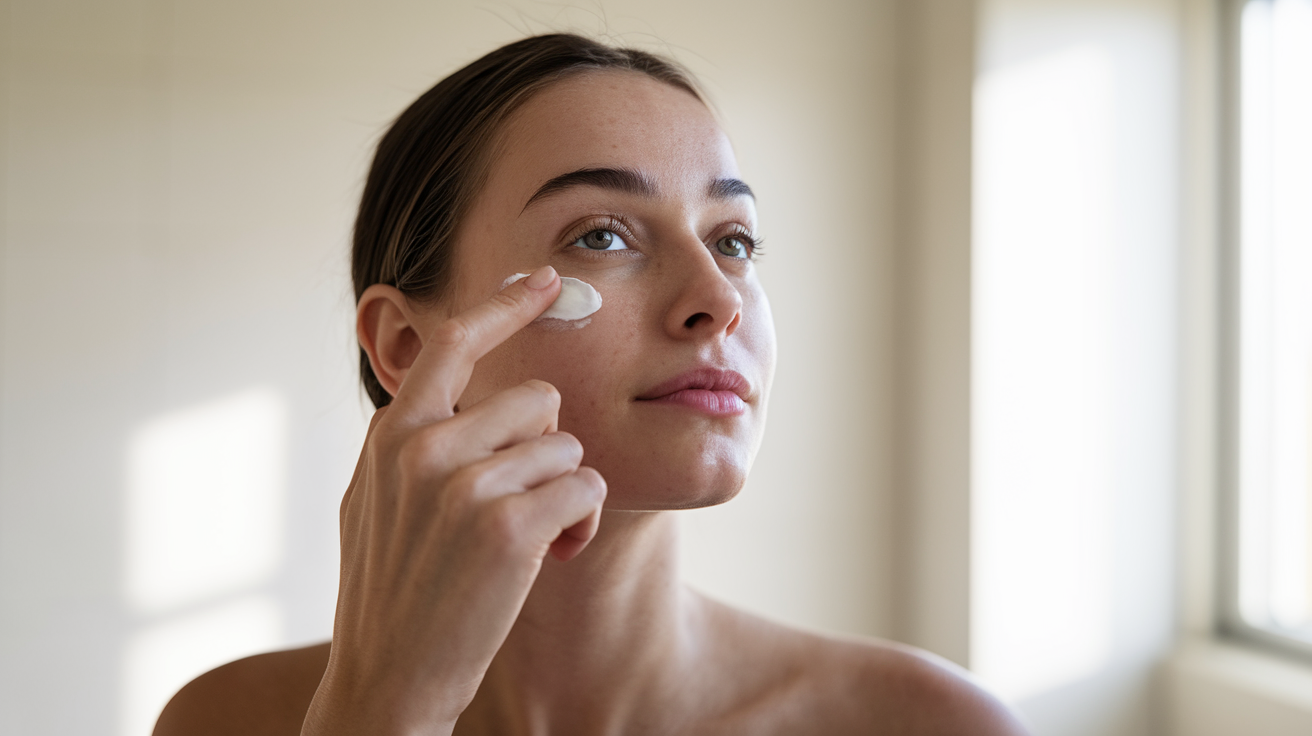
Apply a small amount of the eye cream to your test spot—about the size of a grain of rice. Gently pat it in and let it absorb completely. Don't layer other products on top during the test period.
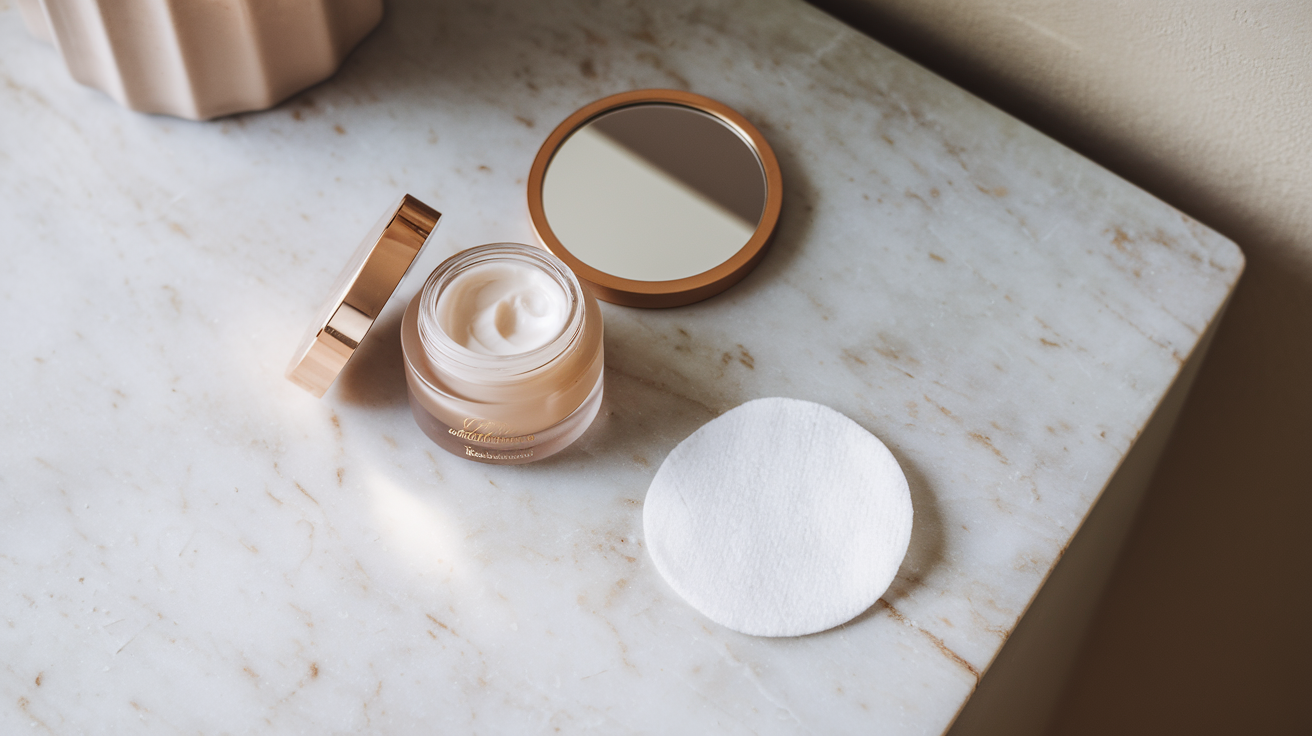
Wait 24 to 48 hours. During this time, avoid washing the area aggressively or applying other new products. Check the spot every few hours for any changes like redness, itching, swelling, or a burning sensation.
If the test site looks and feels normal after 48 hours, you're likely safe to use the product around your eyes. If you notice any reaction, wash the area gently and skip that formula.
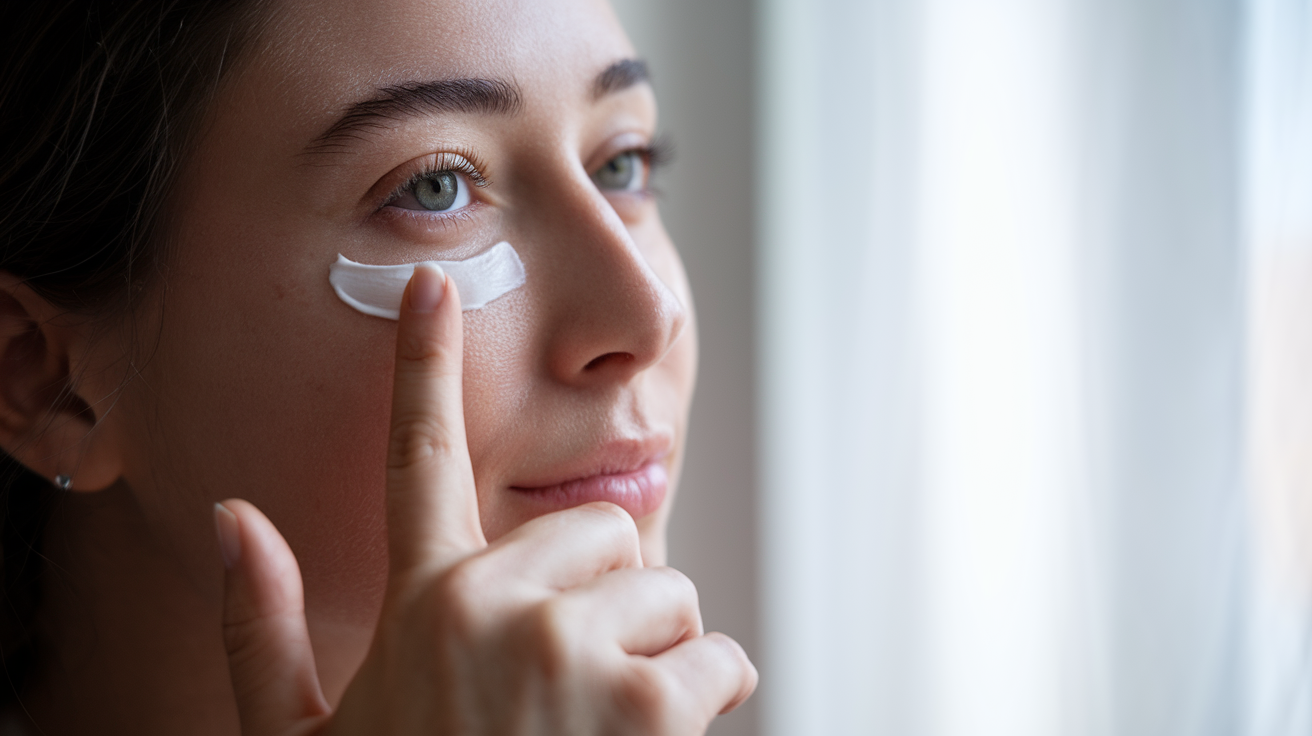
When you're ready to apply the cream to both eyes, start with a tiny amount. Use your ring finger to tap the product gently along the orbital bone, staying about a half-inch away from your lash line. The cream will naturally migrate closer as it warms and spreads.
Tired of seeing under-eye lines before you see yourself?
If the tiny creases under your eyes make you look more tired than you feel, this guide shows the simple under-eye routine that helps soften the look of dry lines, crepey texture, and tired skin without guessing or wasting weeks on random products.
Warning Signs Your Eye Cream Isn't Right for You
Not all reactions are obvious. Some are immediate, while others creep up after a few days of use.
Immediate warning signs include stinging, burning, or a hot sensation within minutes of application. If your eyes start watering or you feel the urge to rub them, that's your skin telling you to remove the product right away.
Redness around the eye area is another red flag. This might show up as pink patches along your lower lash line or a flush across your eyelids. It can appear within hours or after several applications.
Swelling or puffiness that wasn't there before you started the product is a sign of irritation or mild allergic response. This is different from the natural morning puffiness many people experience—this kind of swelling tends to last throughout the day and may feel tender to the touch.
Dryness, flaking, or a tight feeling can also indicate that the formula is too harsh or that it's disrupting your skin's moisture barrier. Eye creams should make the skin feel more comfortable, not less.
Tiny bumps, which some people call milia or irritation bumps, can form if the cream is too rich for your skin type or if an ingredient is clogging your pores. These usually appear a week or two into consistent use.
If you're unsure whether a reaction is normal or a sign to stop, this affiliate one can help you understand what to expect during the adjustment period.
What to Do If Your Eye Cream Causes Irritation
If you notice any of the warning signs above, stop using the product immediately. Don't try to push through thinking your skin will adjust—irritation around the eyes can worsen quickly.
Rinse the area gently with lukewarm water. Avoid scrubbing or using harsh cleansers. Pat dry with a clean, soft towel.
Apply a simple, fragrance-free moisturizer or a plain occlusive like petroleum jelly to help calm and protect the skin. Skip any other actives, exfoliants, or new products until the irritation clears.
If the reaction is mild, it should improve within a day or two. If it persists, worsens, or includes severe swelling or pain, reach out to a dermatologist or healthcare provider.
Once your skin has calmed down, you can assess what might have caused the issue. Check the ingredient list for common irritants like fragrance, essential oils, high concentrations of retinol, or alcohol. If you've used similar ingredients before without trouble, the issue might be the formulation or combination of actives.
Don't toss the product just yet—it might work well on another part of your face, like your neck or hands, where the skin is less sensitive. Or you can gift it to someone whose skin tolerates those ingredients better.
When you're ready to try a new eye cream, repeat the patch test process. It might feel tedious, but it's far easier than dealing with swollen, irritated eyes for a week.
Patch testing is one of the simplest habits that can protect your skin and help you find formulas that truly support smoother-looking, less tired-looking eyes. A few minutes of caution now can save you from discomfort, wasted money, and setbacks in your routine.