Disclosure: This post contains affiliate links. We may earn a commission at no extra cost to you.
Eye Cream Before or After Moisturizer: The Right Order for Maximum Results
Have you ever stood in front of your bathroom mirror with eye cream in one hand and moisturizer in the other, wondering which one goes first? You're not alone. The order you apply your skincare products can actually affect how well they work, especially around the delicate eye area where the skin is thinner and more prone to showing dryness and fine lines.
Getting the sequence right helps each product absorb properly and work the way it's designed to. Let's break down exactly when to apply eye cream in your routine and how to layer it with your other products for smoother-looking, less tired-looking eyes.
Why Product Order Matters for Eye Area Skincare
The skin around your eyes is about 40% thinner than the rest of your face. This means it absorbs products differently and needs gentler, more targeted care.
When you layer skincare products, the general rule is to apply them from thinnest to thickest consistency. This allows lighter formulas to penetrate the skin before you seal everything in with heavier creams. If you apply a thick moisturizer first, it creates a barrier that makes it harder for your eye cream to reach the skin underneath.
Eye creams are usually formulated with specific ingredients designed for the under-eye area, like peptides, caffeine, or hydrating humectants. They're often lighter in texture than face moisturizers, which means they should typically go on before your regular moisturizer.
Think of it like building layers. You want the most targeted treatment to touch your skin first, then lock it in with your broader hydration.
The Correct Sequence: When to Apply Eye Cream
Here's the order that works for most routines:
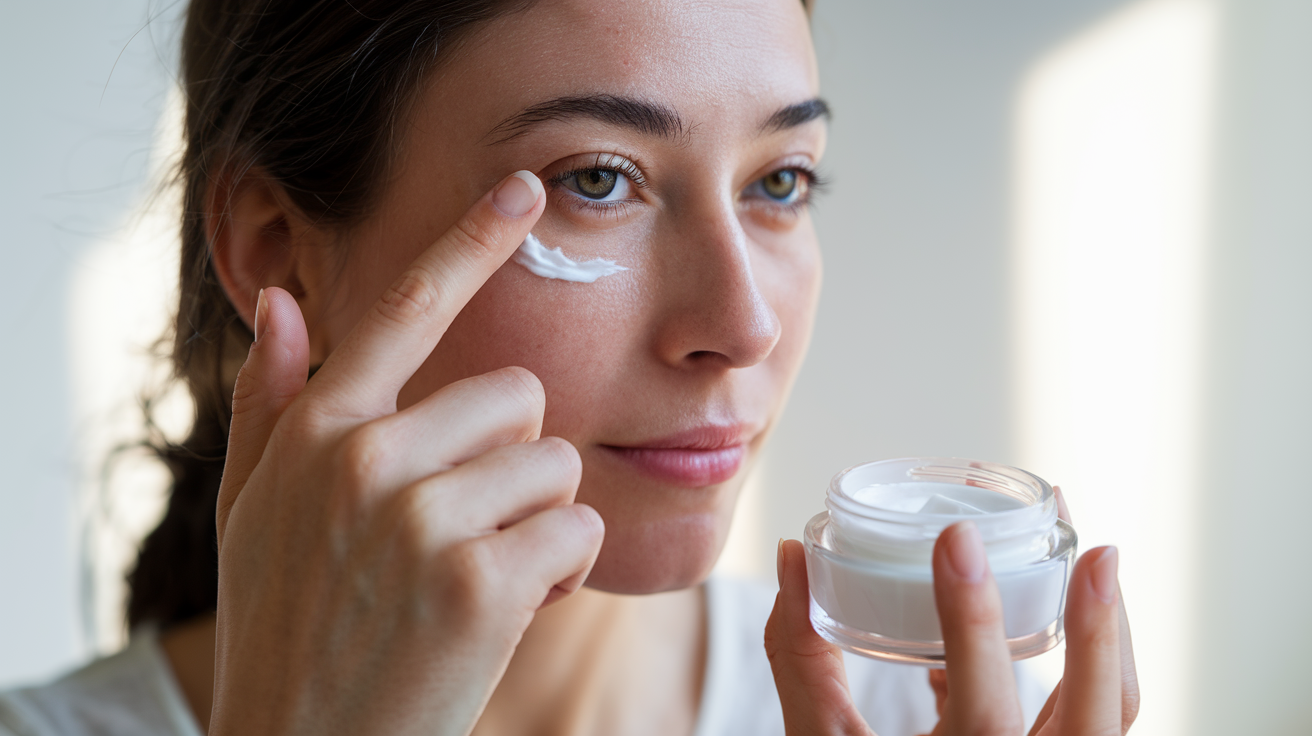
After cleansing and toning, apply eye cream first. Pat it gently around the orbital bone using your ring finger, which applies the least pressure. Let it absorb for 30 to 60 seconds.
Then apply any serums you use on the rest of your face. Keep serums away from the immediate eye area unless they're specifically designed for it. The skin there is more sensitive and can react to active ingredients meant for thicker facial skin.
Finally, apply your face moisturizer. You can bring it up to the outer edges of your eye area, but avoid layering it directly over where you applied eye cream. The eye cream has already provided targeted hydration there.
This sequence ensures your eye cream gets direct contact with the skin and isn't diluted or blocked by heavier products. If you're using a thicker, more occlusive eye cream (like a rich balm), you might apply it after your face moisturizer instead. But most modern eye creams are formulated to go on earlier in your routine.
Tired of seeing under-eye lines before you see yourself?
If the tiny creases under your eyes make you look more tired than you feel, this guide shows the simple under-eye routine that helps soften the look of dry lines, crepey texture, and tired skin without guessing or wasting weeks on random products.
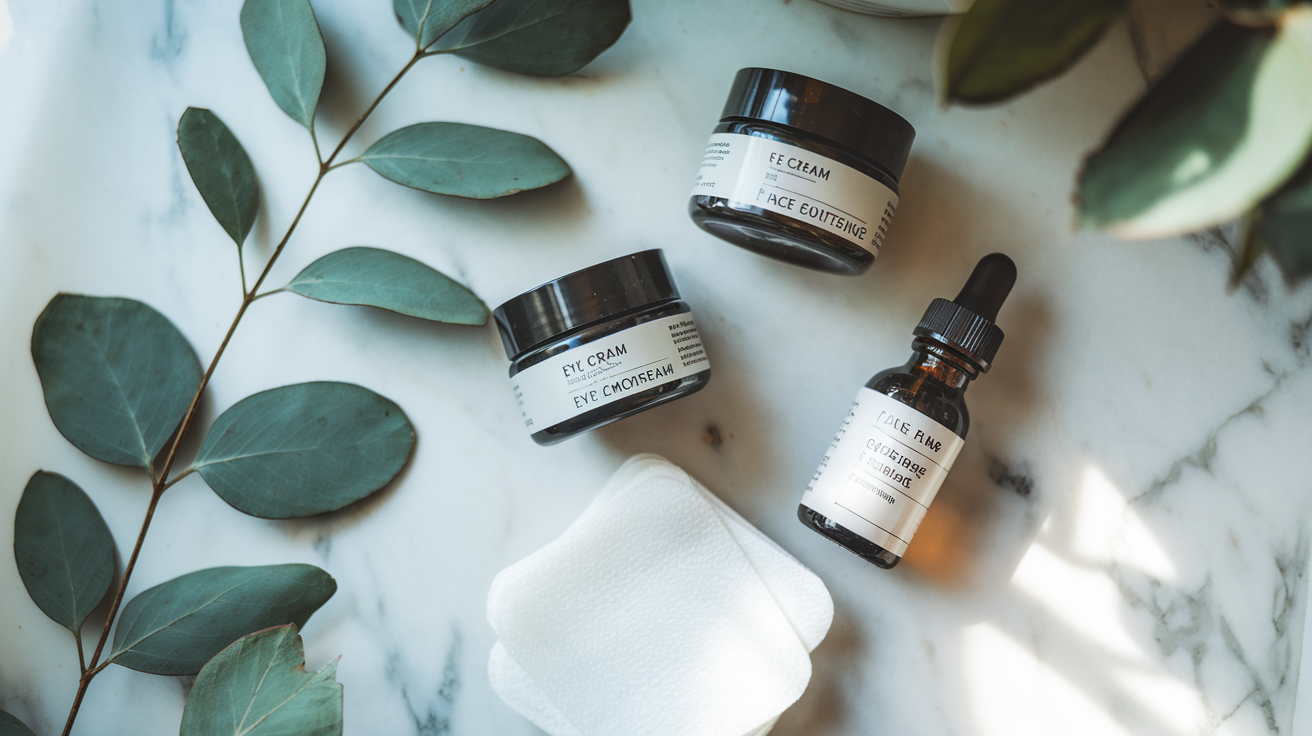
How to Apply Eye Cream for Best Absorption
Using the right technique matters just as much as the order. The eye area bruises easily and doesn't respond well to tugging or rubbing.
Use a small amount. A pea-sized drop is enough for both eyes. Using too much can cause the product to migrate into your eyes and cause puffiness or irritation.
Warm it between your ring fingers. Gently rub the product between both ring fingers to warm it slightly. This helps it spread more easily without pulling on delicate skin.
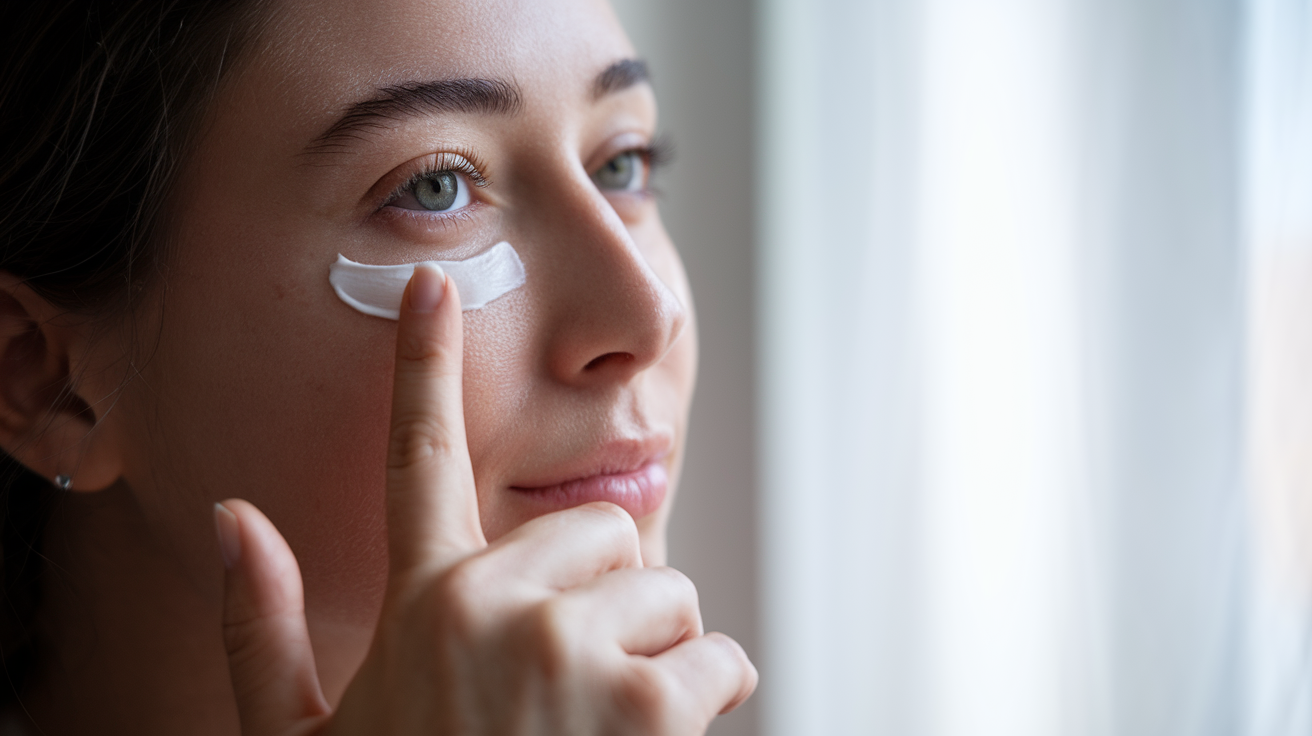
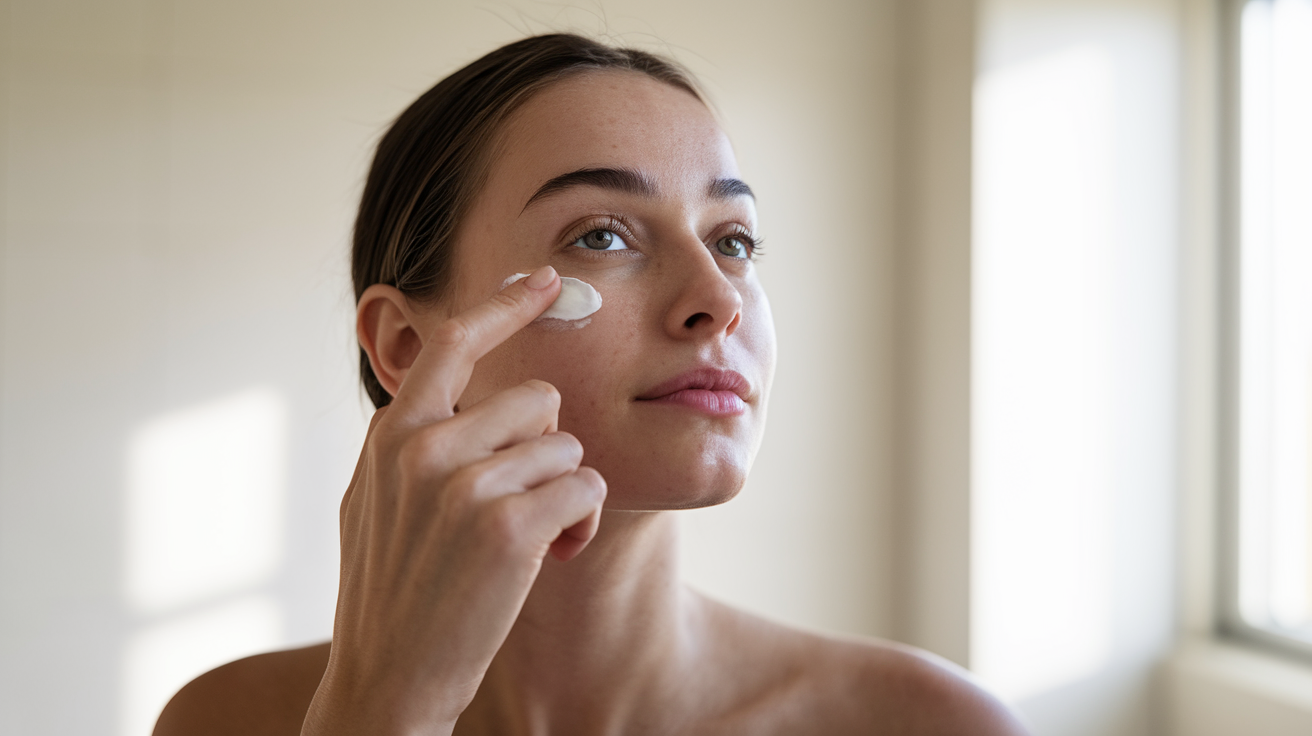
Pat, don't rub. Starting from the inner corner near the nose, lightly tap the cream along the orbital bone in small dots. Move outward toward the temple, then gently tap along the brow bone if your product is safe for that area. Avoid getting too close to the lash line.
Let it sink in. Give your eye cream at least 30 seconds to absorb before moving on to the next step. If you rush and pile on moisturizer immediately, the products can mix and reduce effectiveness.
If you notice your eye cream pilling (those little balls of product that form when you layer too quickly), wait a bit longer between steps or use a lighter hand with your moisturizer near the eye area.
For more detailed guidance on building a complete under-eye routine that addresses dryness and texture, check out this affiliate one resource that walks through the steps and ingredient choices that work well for mature or dehydrated under-eye skin.
Common Eye Cream Layering Mistakes to Avoid
Applying eye cream too close to the lash line. Your body heat will cause the product to migrate slightly, so keep it on the orbital bone. Getting cream in your eyes can cause irritation and puffiness, the opposite of what you want.
Using face moisturizer as eye cream. Face creams often contain fragrances, essential oils, or stronger active ingredients that can irritate the thinner skin around your eyes. Eye creams are formulated to be gentler and more appropriate for this area.
Skipping eye cream in the morning. Many people only use eye cream at night, but morning application helps create a smooth base for concealer and reduces the look of puffiness throughout the day. Just make sure your morning eye cream absorbs well and doesn't interfere with makeup.
Layering too many products around the eyes. More isn't always better. If you're using an eye cream, you don't need to add serums, oils, and extra treatments to that same area. Overloading can lead to milia (small white bumps) or irritation.
Rubbing instead of patting. This is one of the most common mistakes. Pulling and tugging on the delicate eye area can contribute to sagging and make the skin look more crepey over time. Always use a gentle patting motion.
Not adjusting for product texture. If you switch to a heavier or lighter eye cream, you might need to adjust where it falls in your routine. A lightweight gel eye cream goes before moisturizer. A thick, emollient eye balm might work better after moisturizer or even as the final step.
The right layering order helps you get the most out of the products you're already using. For a complete breakdown of what ingredients to look for and how to build a routine that targets the specific concerns you see in the mirror, this affiliate one offers practical, easy-to-follow steps for smoother-looking under-eye skin.
Getting your skincare sequence right doesn't require a complicated routine or expensive overhaul. Small adjustments, like applying your eye cream before moisturizer and using a gentle patting technique, can make a noticeable difference in how your products perform and how your skin looks and feels over time.