Disclosure: This post contains affiliate links. We may earn a commission at no extra cost to you.
Eye Cream Before or After Moisturizer? The Right Order for Maximum Results
Are you layering your eye cream at the wrong time?
Most people don't realize that the order you apply your skincare products can affect how well they work. And when it comes to eye cream, timing matters more than you think. Apply it too late, and your moisturizer might block absorption. Apply it too early, and you might not be prepping your skin correctly.
Here's the truth: eye cream should be applied before your moisturizer—but only if you follow the right layering sequence. If you want smoother-looking skin around the eyes and less tired-looking results, the order you apply your products can make a real difference.
Why Application Order Matters for Eye Cream Effectiveness
The skin around your eyes is thinner and more delicate than the rest of your face. That means it needs its own targeted care—and it needs that care to actually reach the skin.
When you apply products in the wrong order, you create barriers that prevent active ingredients from absorbing properly. Think of it like trying to water a plant through a plastic sheet. The water just sits on top instead of soaking in.
Eye creams are typically lighter and more concentrated than face moisturizers. They're designed to address specific concerns like fine lines, dark circles, and puffiness. If you apply a thick moisturizer first, you're essentially blocking your eye cream from doing its job.
The basic rule in skincare layering is this: apply products from thinnest to thickest. This allows each layer to absorb before the next one goes on. For most routines, that means eye cream comes before moisturizer—but after your serums and treatments.
The Correct Skincare Layering Sequence Explained
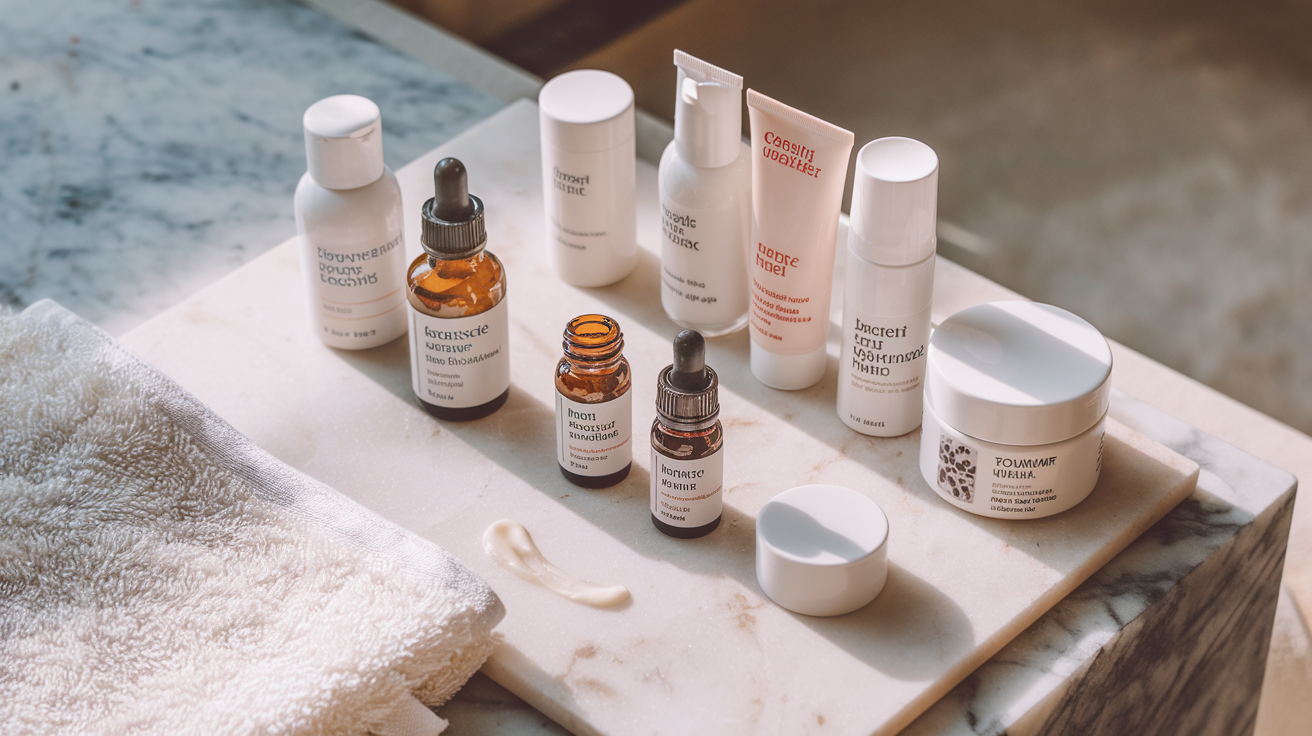
Here's the standard order for a complete skincare routine, from start to finish:
Cleanser removes dirt, oil, and makeup so your skin is ready to absorb everything else.
Toner balances your skin's pH and preps it for better absorption. This step is optional but helpful.
Serums and treatments come next. These are your most active products—think vitamin C, hyaluronic acid, or retinol. Apply them when your skin is still slightly damp for better penetration.
Eye cream goes on after serums but before moisturizer. This is the sweet spot. Your skin is prepped, but you haven't sealed everything in yet.
Moisturizer is your final step. It locks in all the layers underneath and creates a protective barrier on your skin.
Sunscreen is the last step in the morning. Always apply SPF after moisturizer to protect your skin from UV damage.
If you're using a affiliate one, it's helpful to understand exactly where each product fits so you're not layering blindly.
Tired of seeing under-eye lines before you see yourself?
If the tiny creases under your eyes make you look more tired than you feel, this guide shows the simple under-eye routine that helps soften the look of dry lines, crepey texture, and tired skin without guessing or wasting weeks on random products.
Step-by-Step: How to Apply Eye Cream in Your Routine
Now that you know where eye cream fits, here's exactly how to apply it for the best absorption and smoother-looking results.
Step 1: Start with clean, damp skin. After cleansing and toning, your skin should still feel slightly moist. This helps your eye cream spread more easily and absorb better.
Step 2: Apply any serums first. If you're using a hydrating serum, vitamin C, or retinol, apply those before your eye cream. Let them sink in for 30 seconds to a minute.
Step 3: Dispense a small amount of eye cream. You only need a rice grain-sized amount for both eyes. Using too much won't give you better results—it'll just sit on the surface.
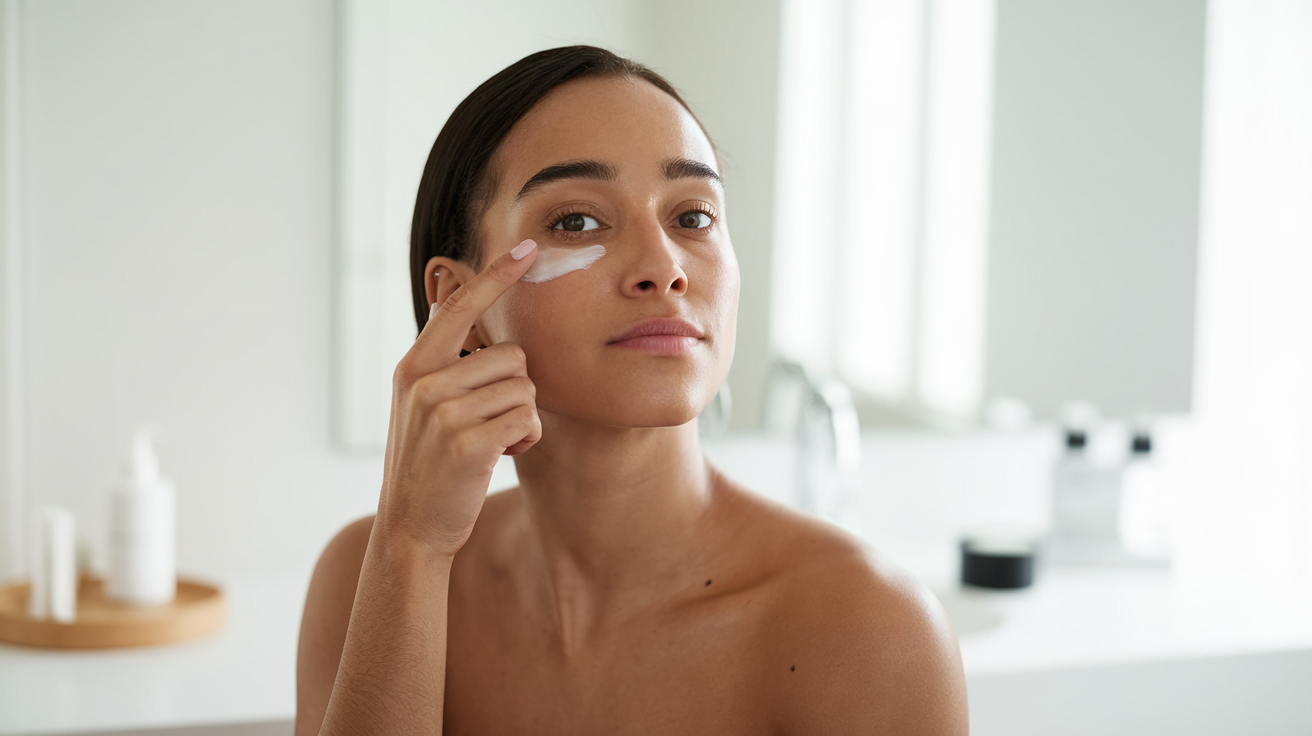
Step 4: Dot the cream around your eye area. Use your ring finger (it has the lightest touch) to gently dot the cream along your orbital bone. Start at the inner corner, move under the eye, and finish at the outer corner and up toward the brow bone.
Step 5: Pat gently until absorbed. Don't rub or pull the skin. Use a light tapping motion to help the cream absorb. The delicate skin around your eyes doesn't need friction.
Step 6: Wait a minute before moisturizer. Give your eye cream a moment to settle into the skin. Then apply your face moisturizer, avoiding the immediate eye area where you've already applied your eye cream.
Step 7: Finish with SPF in the morning. UV damage is one of the main causes of premature aging around the eyes, so never skip sunscreen during the day.
Following a structured affiliate one can help you stay consistent with this routine and avoid common mistakes.
Common Layering Mistakes That Reduce Eye Cream Benefits
Even if you're applying eye cream before moisturizer, there are a few layering mistakes that can still reduce how well it works.
Applying eye cream to dry skin. If your skin is completely dry after cleansing, your eye cream won't spread or absorb as well. Always apply it while your skin is still slightly damp.
Using too much product. More isn't better when it comes to eye cream. Excess product just sits on the surface and can cause irritation or milia (those tiny white bumps under the eyes).
Rubbing or tugging the skin. The skin around your eyes is delicate. Pulling or rubbing can contribute to sagging and make fine lines more visible over time. Always use a gentle patting motion.
Skipping the upper eyelid area. Many people only apply eye cream under the eyes, but the entire orbital area benefits from hydration and care. Just avoid getting product too close to your lash line.
Layering incompatible actives. If you're using retinol or vitamin C in your serum, make sure your eye cream is compatible. Some actives can irritate the eye area when layered incorrectly. Start slowly and watch how your skin reacts.
Applying moisturizer too soon. If you slather on your face cream right after eye cream, you can dilute the eye cream or push it around before it has a chance to absorb. Give it 30 to 60 seconds to settle in.
Not adjusting for morning vs. night. Your morning routine should focus on hydration and protection (with SPF), while your night routine can include heavier creams or treatments like retinol. Make sure your eye cream fits the time of day.
The right order matters, but so does consistency. Using your eye cream correctly every day—before moisturizer, after serums—gives your skin the best chance to look smoother and less tired over time.
If you've been applying your eye cream after moisturizer, don't worry. It's one of the most common skincare mistakes. Just flip the order starting tonight, and you'll be setting yourself up for better absorption and a more effective routine overall.