Disclosure: This post contains affiliate links. We may earn a commission at no extra cost to you.
Eye Cream Before or After Moisturizer: The Right Order for Maximum Results
Are you applying your eye cream before or after your face moisturizer? If you're not completely sure, you're not alone. The order you layer skincare products around your eyes can make a real difference in how well they absorb and work with your skin throughout the day and night.
The delicate skin around your eyes is thinner and more prone to showing dryness, fine lines, and tired-looking texture. When you layer products in the wrong order, you might be blocking the beneficial ingredients from reaching that thin skin or diluting their effects without realizing it.
Why Product Order Matters for Eye Area Skincare
The under-eye area has some of the thinnest skin on your entire face. It's more delicate, absorbs products differently, and shows signs of aging faster than other areas. Because of this, the order you apply products really does matter.
When you apply a heavier product first, it creates a barrier that prevents lighter products from absorbing properly. This means your eye cream might just sit on the surface of your skin instead of sinking in where it can help soften the appearance of fine lines and dryness.
Think of it like painting a wall. If you put a thick coat of sealant on first, the lighter primer won't absorb into the surface. Your skincare works the same way.
Most eye creams are formulated with a specific texture and concentration designed to work on thin, delicate skin. When you layer them incorrectly with face moisturizer, you might be mixing formulas that weren't meant to work together in that order.
The Thinnest to Thickest Rule Explained
The golden rule of skincare layering is simple: apply products from thinnest to thickest consistency. This helps each product absorb without interference from heavier formulas.
Here's how it typically breaks down:
Cleanser comes first to remove makeup, oil, and buildup. Then toner or essence to prep the skin. After that, serums with lightweight textures. Then eye cream. Finally, face moisturizer to seal everything in.
Most eye creams fall somewhere between serum and moisturizer in terms of texture. They're usually lighter than a rich face cream but thicker than a watery serum. This is why eye cream generally goes on before your face moisturizer.
If your eye cream feels very lightweight and gel-like, apply it right after your serum. If it's richer and more balm-like, you can still apply it before moisturizer, but give it a moment to absorb first.
There's one exception: if you're using a prescription retinoid or treatment cream around your eyes, check with your provider about the correct order. Some treatments work best on completely bare skin.
Tired of seeing under-eye lines before you see yourself?
If the tiny creases under your eyes make you look more tired than you feel, this guide shows the simple under-eye routine that helps soften the look of dry lines, crepey texture, and tired skin without guessing or wasting weeks on random products.
Step-by-Step Eye Cream Application Guide
Now that you know when to apply eye cream, here's exactly how to do it for better absorption and smoother-looking skin around your eyes.
Step 1: Start with clean skin. Wash your face with a gentle cleanser and pat dry. Don't rub the eye area harshly with a towel.
Step 2: Apply toner or essence if you use one. Let it absorb for 30 seconds before moving to the next step.
Step 3: Use any lightweight serums. Apply them to your entire face, avoiding the immediate eye area if the product isn't formulated for that zone.
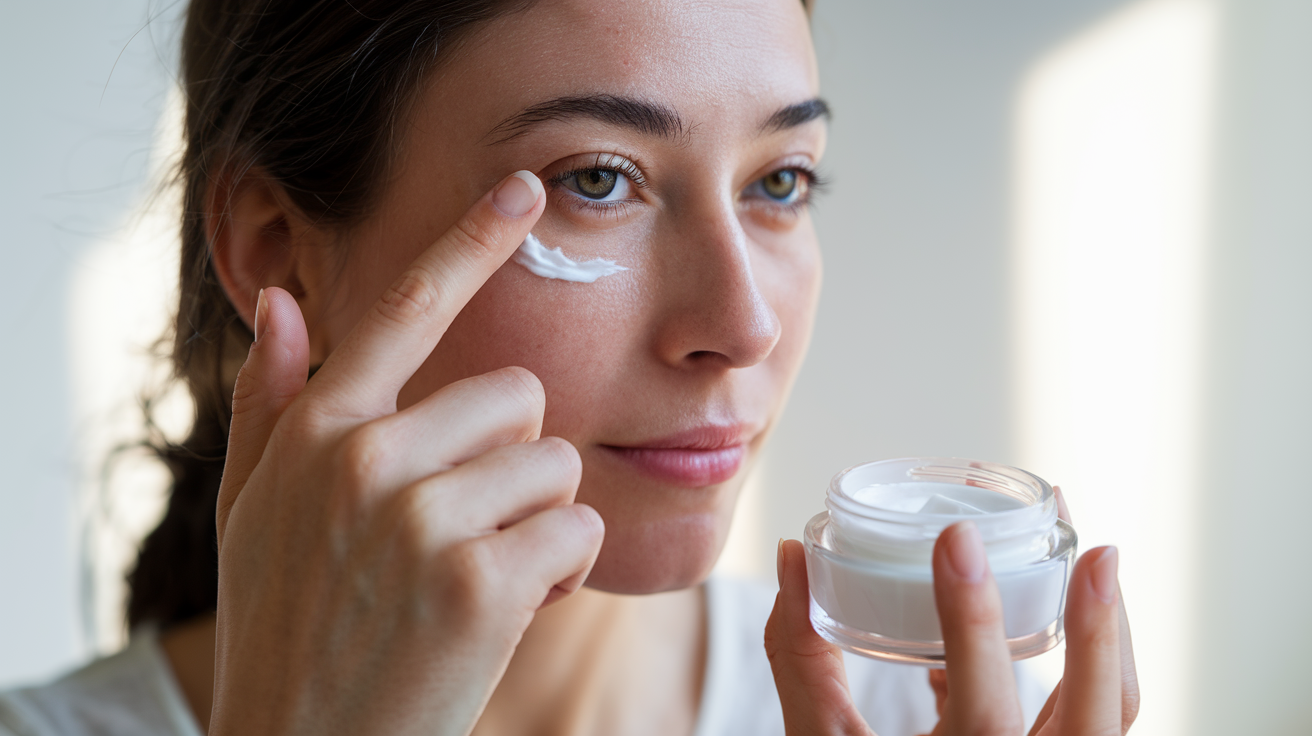
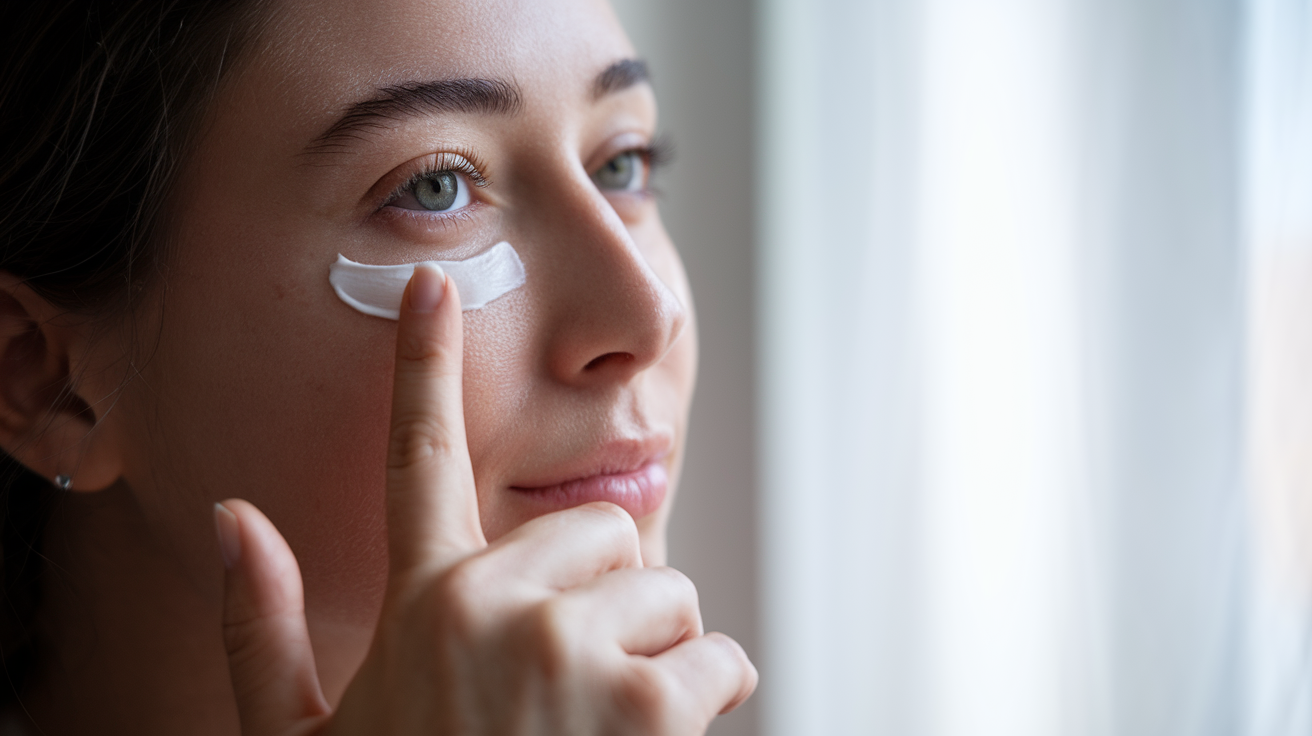
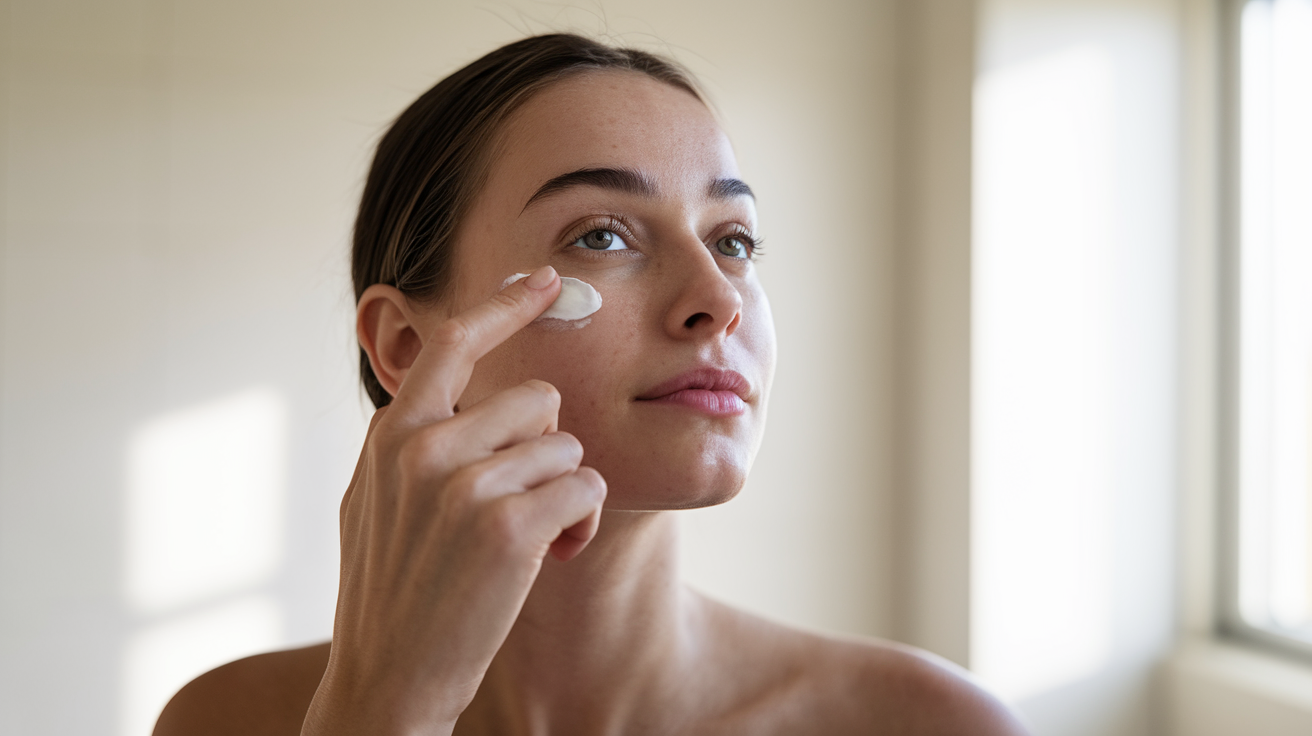
Step 4: Apply eye cream. Use your ring finger, which applies the least pressure. Take a rice-grain-sized amount for both eyes. Gently tap the product along your orbital bone, starting from the inner corner and moving outward under the eye, then inward along the brow bone. Don't apply too close to your lash line. Let it absorb for about 60 seconds.
Step 5: Apply face moisturizer. Use your regular face cream on the rest of your face, avoiding the immediate eye area where you just applied eye cream. You can bring your moisturizer up to the outer edges where your eye cream ends to blend the two zones together.
Step 6: Finish with SPF in the morning. Sunscreen is your final daytime step and one of the most important for keeping under-eye skin looking smooth and protected from further aging.
For a more detailed breakdown of which products work best for different under-eye concerns, check out this affiliate one that walks through texture, ingredients, and realistic expectations.
Common Layering Mistakes That Reduce Effectiveness
Even when you know the correct order, there are a few common mistakes that can interfere with how well your eye cream works.
Mixing eye cream with moisturizer. Some people try to save time by mixing a dot of eye cream into their face moisturizer and applying both at once. This dilutes the eye cream and changes its formulation. Eye creams are designed with specific concentrations for the delicate eye area. When you mix them with face cream, you're weakening that formula.
Applying too much product. More is not better with eye cream. Using too much can cause pilling, irritation, or even puffiness as the product sits on the surface instead of absorbing. A rice-grain-sized amount for both eyes is usually enough.
Not waiting between layers. If you apply moisturizer immediately after eye cream, you risk moving the eye cream around before it's had time to absorb. Give your eye cream at least 30 to 60 seconds to sink in before layering your face moisturizer over and around it.
Using face moisturizer as eye cream. Face moisturizers are formulated for thicker skin and may contain ingredients or fragrances that are too harsh for the eye area. They also might not address the specific concerns like fine lines and crepey texture that eye creams are designed to target.
Skipping eye cream entirely. Some people think moisturizer is enough for the whole face, but the skin around your eyes has different needs. It's more prone to dryness and shows signs of aging sooner. Using a targeted eye product can help keep that area looking smoother and less tired over time.
Applying eye cream too close to the lashes. This can cause product to migrate into your eyes, leading to irritation, puffiness, or watery eyes. Stick to the orbital bone area and let your natural skin movement carry a bit of product closer to the lash line if needed.
If you're still unsure which products to use or how to build a routine that actually works for your under-eye area, this affiliate one breaks down the essentials without the guesswork.
The right layering order might seem like a small detail, but it can make a noticeable difference in how your skin looks and feels over time. Apply eye cream before moisturizer, give each layer time to absorb, and stay consistent with your routine for smoother-looking, less tired-looking eyes.