Disclosure: This post contains affiliate links. We may earn a commission at no extra cost to you.
Eye Cream Before or After Moisturizer: The Order That Actually Works
Are you layering your eye cream and moisturizer in the wrong order—and accidentally blocking the very ingredients meant to soften the look of fine lines and crepey texture?
It sounds like a small detail, but the sequence in which you apply your skincare can completely change how well those products actually work. Eye cream isn't just face moisturizer in a smaller jar. It's formulated differently, absorbed differently, and needs to reach the skin at the right time to do its job.
If you've been wondering whether eye cream goes on before or after your moisturizer—and why it even matters—you're not alone. Let's break down the correct order, the science behind it, and the common mistakes that might be sabotaging your routine.
Why Product Order Matters for Eye Area Results
The skin around your eyes is thinner and more delicate than the rest of your face. It also has fewer oil glands, which means it tends to look drier and show signs of aging sooner.
When you layer skincare products, each one creates a temporary barrier on the skin. If you apply a heavy moisturizer first, it can block lighter serums or treatments from absorbing properly. That's why the order you use matters—especially for targeted treatments like eye cream.
Eye creams are typically formulated with smaller molecules and active ingredients designed to address specific concerns like puffiness, dark circles, and fine lines. If you apply a thick moisturizer first, those ingredients may just sit on top of your skin instead of sinking in where they're needed.
The general rule in skincare is to layer from thinnest to thickest. That means lighter, more active products go on first, followed by heavier creams that seal everything in.
Tired of seeing under-eye lines before you see yourself?
If the tiny creases under your eyes make you look more tired than you feel, this guide shows the simple under-eye routine that helps soften the look of dry lines, crepey texture, and tired skin without guessing or wasting weeks on random products.
The Science Behind Skincare Layering and Absorption
Your skin's outermost layer—the stratum corneum—acts like a brick wall. It's designed to keep water in and irritants out. For skincare ingredients to work, they need to penetrate that barrier.
Smaller molecules, like those found in serums and targeted treatments, can slip through more easily. Larger molecules, like the emollients and occlusives in moisturizers, sit on top and create a protective seal.
When you apply products in the wrong order, you're essentially asking heavy creams to move aside so lighter actives can get through—and that doesn't happen. The heavier product will block absorption every time.
Eye creams are usually lighter in texture than face moisturizers, even if they feel rich. They're formulated to be absorbed quickly into the delicate under-eye area. If you want those ingredients to actually reach the skin, they need to go on before your moisturizer.
This is especially important if your eye cream contains active ingredients like peptides, caffeine, or retinol alternatives. These need direct contact with the skin to work effectively.
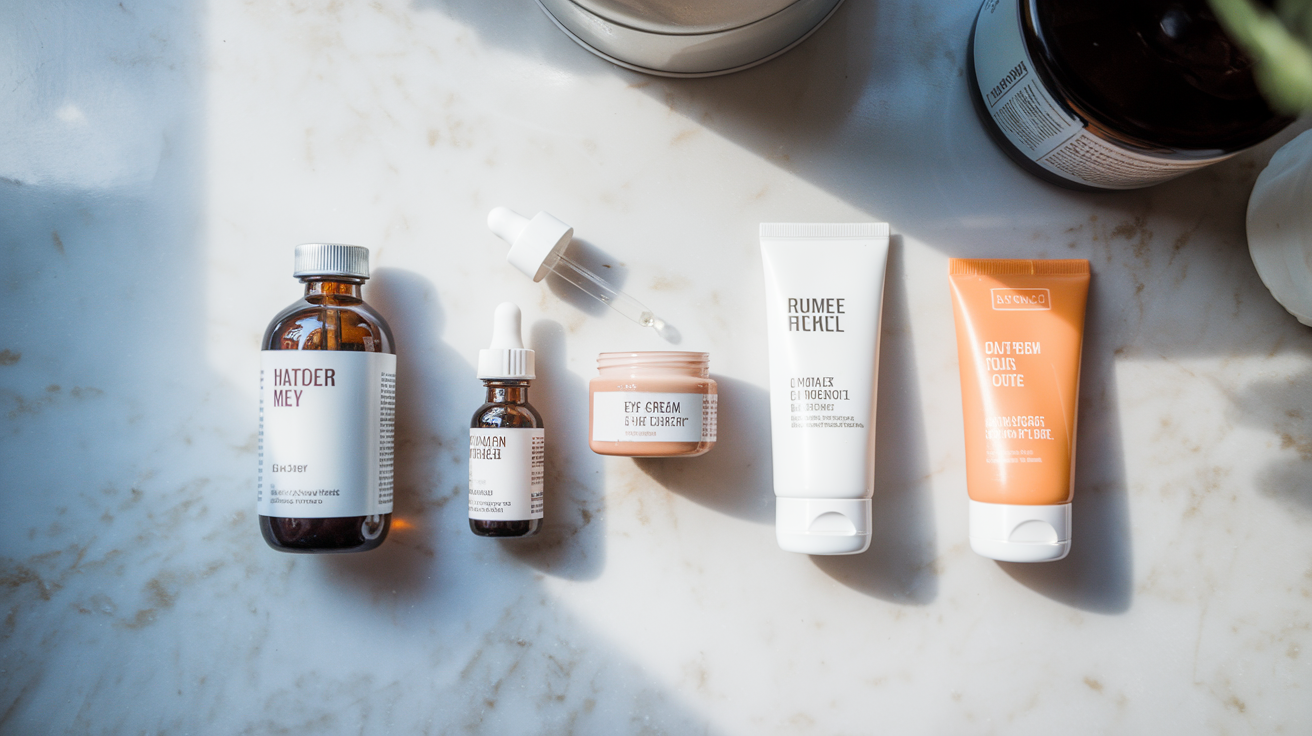
Step-by-Step: Correct Eye Cream Application Sequence
Here's the order that actually works, step by step:
Step 1: Cleanse your face. Start with a gentle cleanser to remove makeup, oil, and debris. Pat your skin dry—don't rub.
Step 2: Apply toner or essence (if you use one). These are water-based and go on first to prep the skin.
Step 3: Apply serum. If you're using a face serum with actives like vitamin C or hyaluronic acid, this is when it goes on. Let it absorb for 30 seconds.
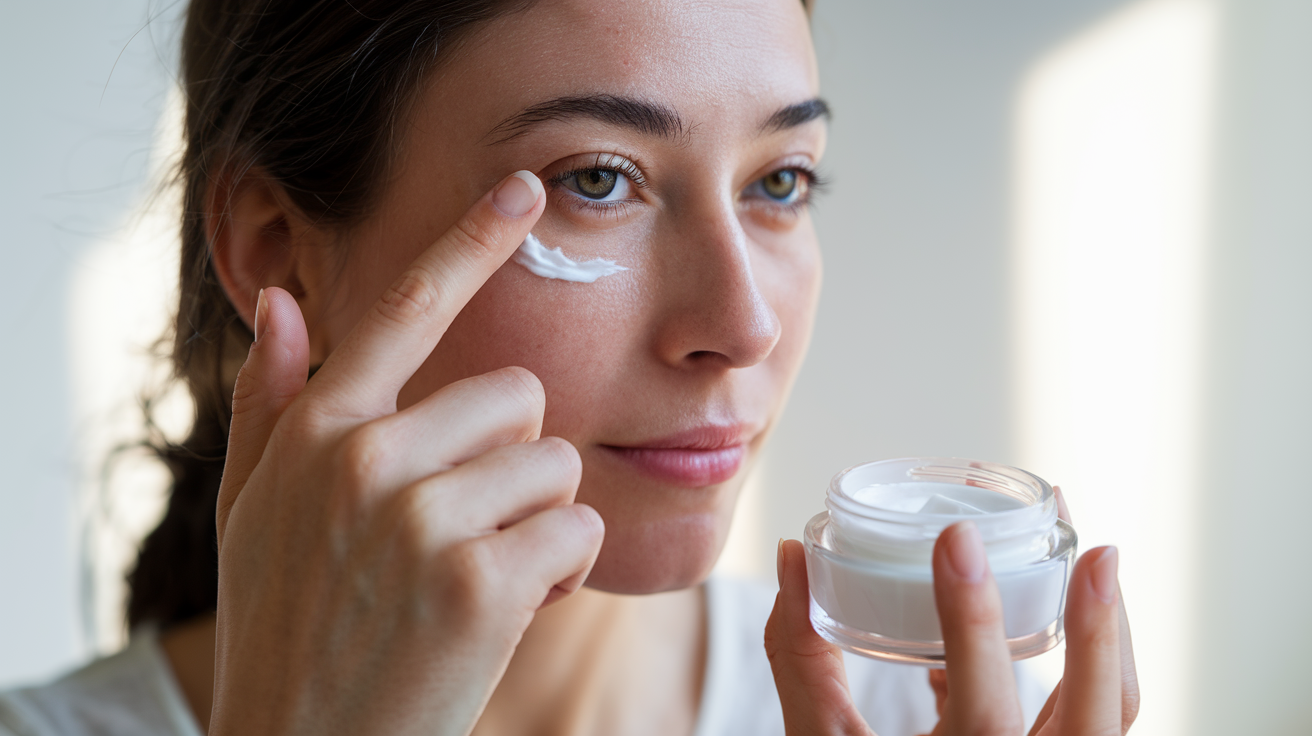
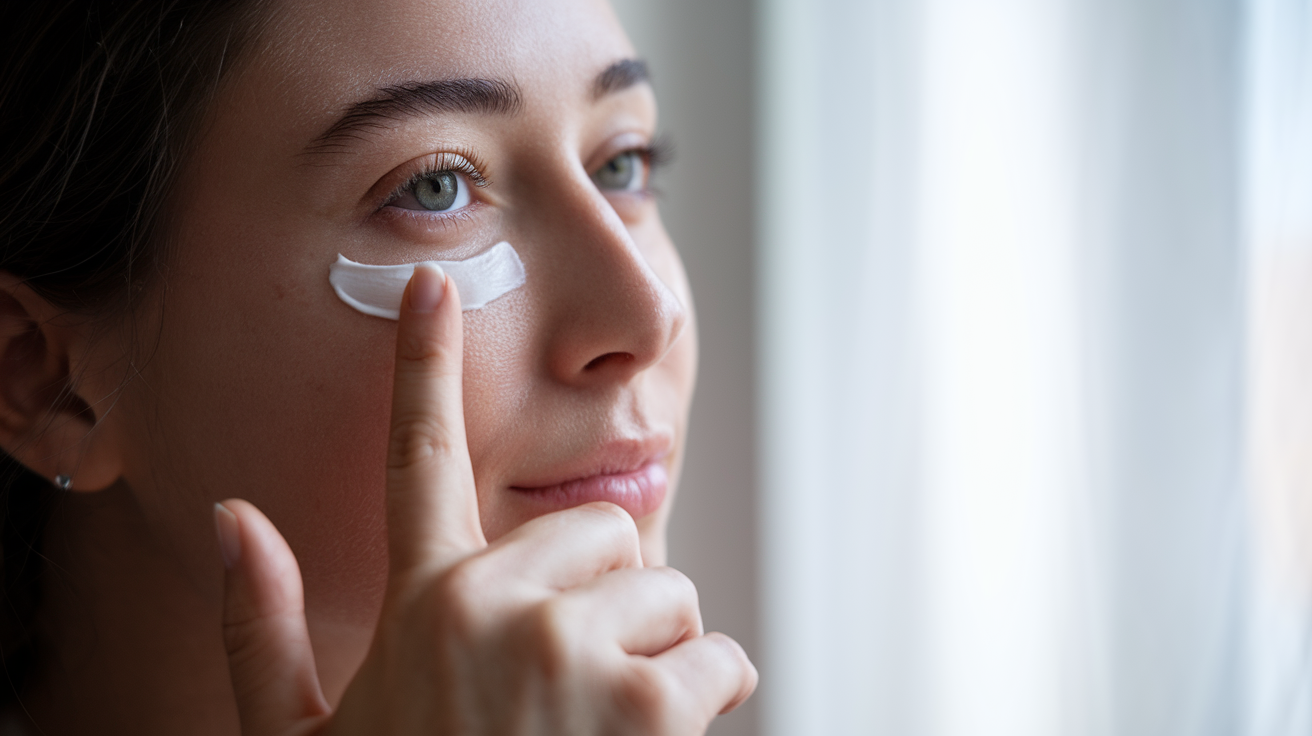
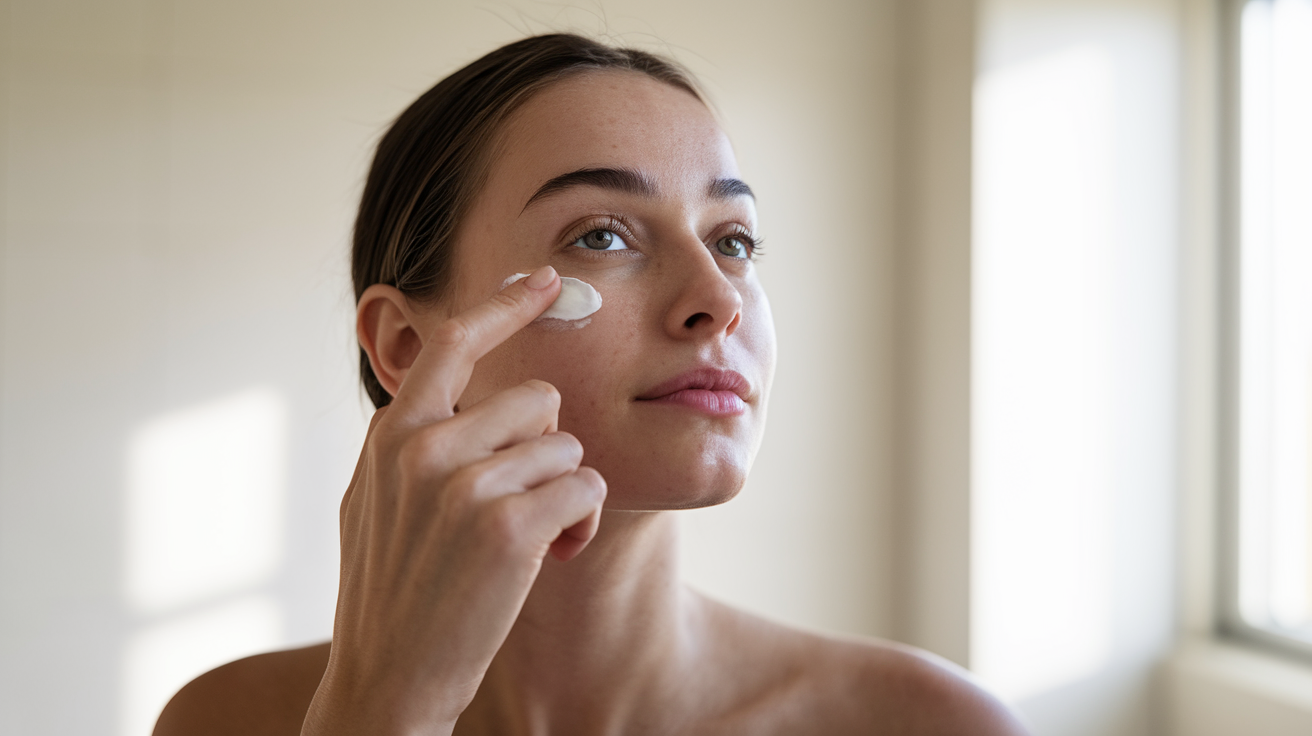
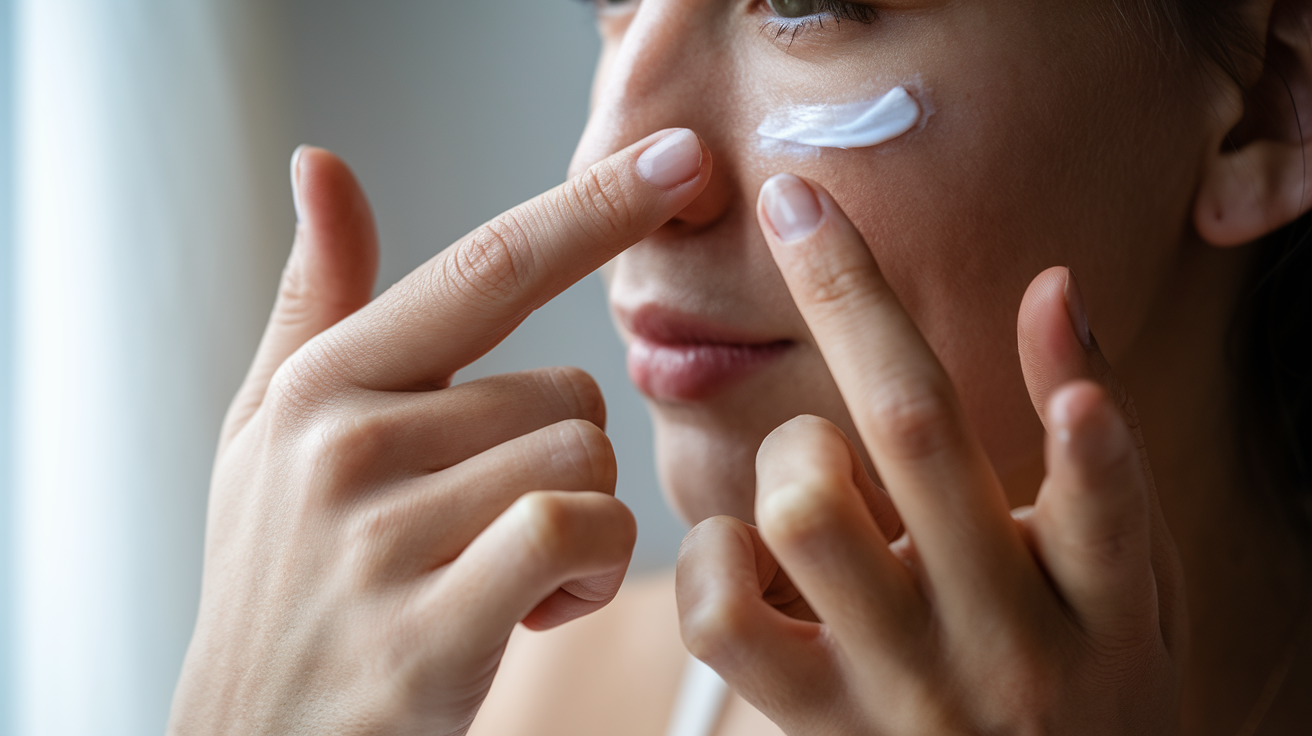
Step 4: Apply eye cream. Use your ring finger to gently tap a small amount of eye cream around the orbital bone. Avoid pulling or tugging the skin. Start at the inner corner and work outward. Don't apply too close to the lash line.
Step 5: Apply face moisturizer. Once your eye cream has absorbed, apply your regular moisturizer to the rest of your face. You can bring it up to the eye area if needed, but avoid layering it directly over the eye cream in a way that smothers it.
Step 6: Apply sunscreen (morning only). SPF always goes on last in your morning routine. Yes, even over eye cream. The under-eye area needs sun protection too.
If you want a more detailed breakdown of how to build a complete under-eye routine that works with your skin type, check out this affiliate one for a step-by-step approach.
Common Layering Mistakes That Reduce Eye Cream Effectiveness
Mistake 1: Applying moisturizer first. This is the most common error. If you put on a thick face cream before your eye cream, you're creating a barrier that blocks absorption. Always apply eye cream before moisturizer.
Mistake 2: Using too much product. A pea-sized amount of eye cream is enough for both eyes. Using more doesn't help—it just sits on the surface and can migrate into your eyes, causing irritation or puffiness.
Mistake 3: Rubbing instead of tapping. The skin around your eyes is delicate. Rubbing or pulling can contribute to sagging and fine lines over time. Always use a light tapping motion with your ring finger, which naturally applies the least pressure.
Mistake 4: Skipping eye cream at night. Your skin repairs itself while you sleep, and that's when active ingredients can work without interference from makeup or sunscreen. Don't skip your nighttime eye cream—it's just as important as your morning application.
Mistake 5: Applying eye cream too close to the lash line. Eye cream will naturally migrate as it warms up on your skin. If you apply it too close to your lashes, it can end up in your eyes and cause irritation. Stick to the orbital bone area.
Mistake 6: Not giving products time to absorb. Layering products too quickly can cause pilling or prevent proper absorption. Wait 30 to 60 seconds between each step so the product has time to sink in.
If you're still not sure how to layer your products or which eye cream texture works best for your skin, this affiliate one walks you through the entire process in detail.
The bottom line? Eye cream goes on before moisturizer. It's a small change that can make a noticeable difference in how your products perform and how your under-eye area looks over time. Get the order right, and you're giving your skin the best chance to look smoother, brighter, and less tired-looking.