Disclosure: This post contains affiliate links. We may earn a commission at no extra cost to you.
Eye Cream Before or After Moisturizer? The Order That Actually Works
Are you applying your eye cream at the wrong time? If you're layering your products without thinking about order, you might be blocking the active ingredients from reaching the delicate skin around your eyes. The sequence you use matters more than most people realize, and getting it wrong can mean your eye cream sits on the surface instead of absorbing where it can actually help soften the look of fine lines and tired-looking skin.
Let's clear up the confusion once and for all.
Why Product Order Matters for Eye Area Results
The skin around your eyes is thinner than the rest of your face. It has fewer oil glands, less collagen, and it shows signs of aging faster. That's why eye creams exist in the first place—they're formulated to address this specific area with lighter textures and targeted ingredients.
But here's the thing: if you apply a thick moisturizer first, you create a barrier. Your eye cream can't penetrate through that layer effectively. It just slides around on top, which means you're not getting the benefits you paid for.
The general rule in skincare layering is to apply products from thinnest to thickest. This allows each product to absorb properly before the next one goes on. Eye creams are typically lighter than face moisturizers, so they should go on first in most cases.
That said, there are exceptions. If your eye cream is unusually rich or occlusive, it might go after your moisturizer. But for the majority of eye creams—especially those with peptides, hyaluronic acid, or caffeine—you'll want to apply them before your face cream.
Tired of seeing under-eye lines before you see yourself?
If the tiny creases under your eyes make you look more tired than you feel, this guide shows the simple under-eye routine that helps soften the look of dry lines, crepey texture, and tired skin without guessing or wasting weeks on random products.
The Science Behind Skincare Layering
Your skin absorbs products based on molecular size and formulation. Lighter, water-based products penetrate more easily than heavy, oil-based ones. When you layer correctly, you're giving each product the best chance to work.
Eye creams are often formulated with smaller molecules designed to absorb quickly into the thin under-eye area. If you block them with a heavier moisturizer first, those molecules can't reach the deeper layers where they're meant to work.
Think of it like painting a wall. You wouldn't apply a topcoat before the primer. The same logic applies here.
Another factor is ingredient compatibility. Some active ingredients work better when they're applied to clean, prepped skin. If your eye cream contains retinol, vitamin C, or peptides, you want those ingredients to make direct contact with your skin—not with the silicones or occlusives in your moisturizer.
Step-by-Step: Correct Eye Cream Application Order
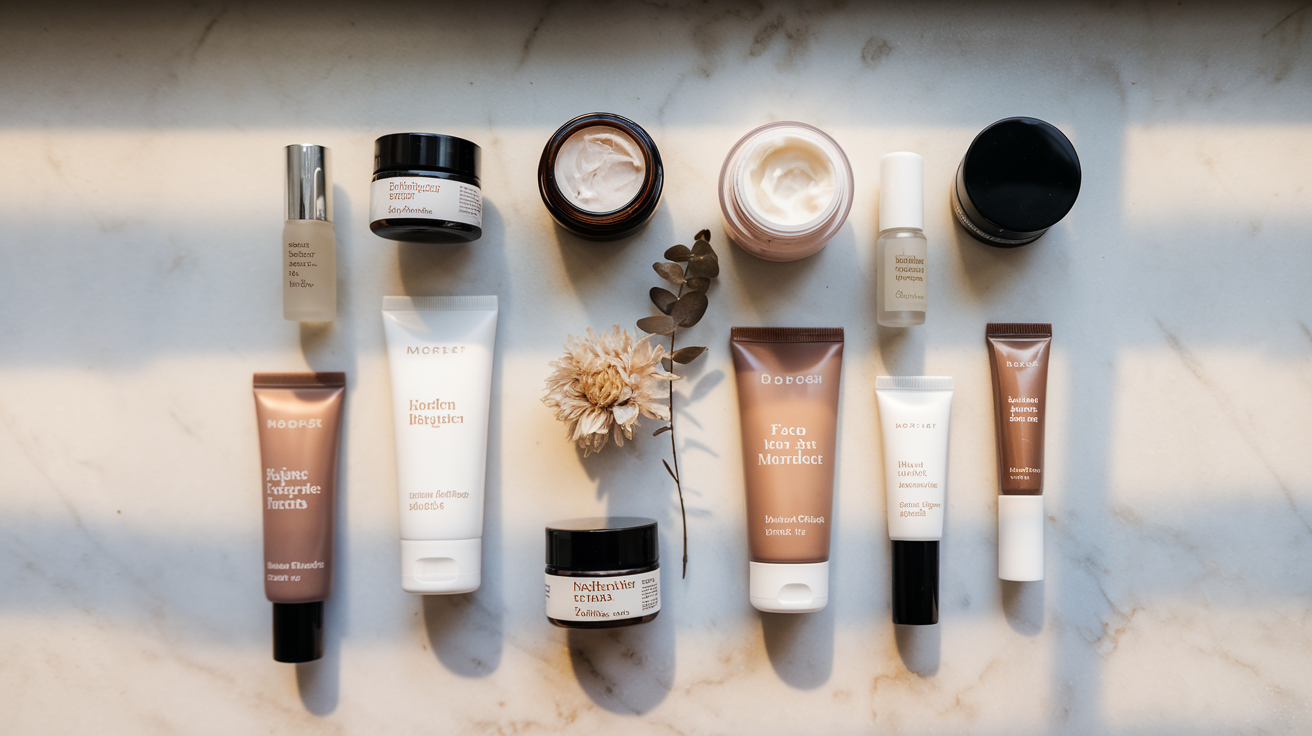
Here's the order that works for most people:
Step 1: Cleanser
Start with a clean face. Remove makeup, dirt, and oil so your products can absorb properly.
Step 2: Toner or Essence (optional)
If you use a toner or essence, apply it now. These are water-based and prep your skin for the next steps.
Step 3: Serums
Apply any treatment serums you use, like vitamin C or hyaluronic acid. These are typically lightweight and absorb quickly.
Step 4: Eye Cream
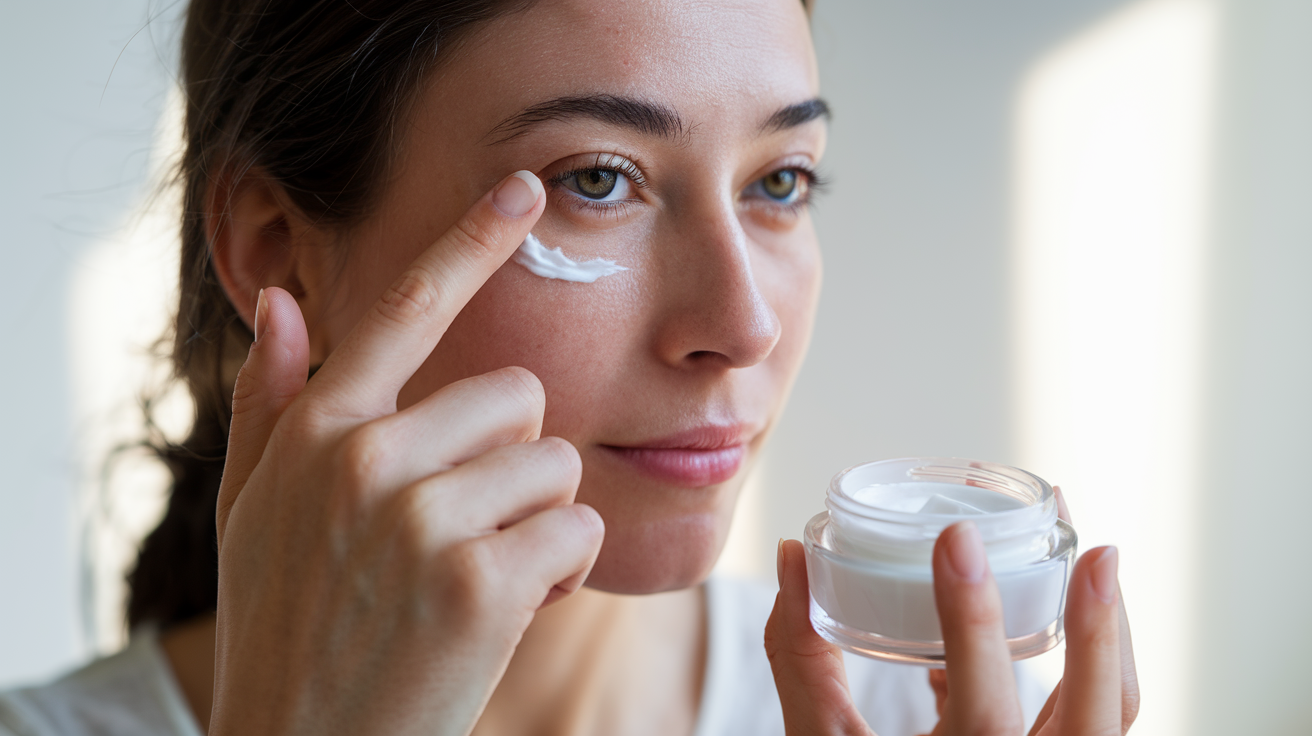
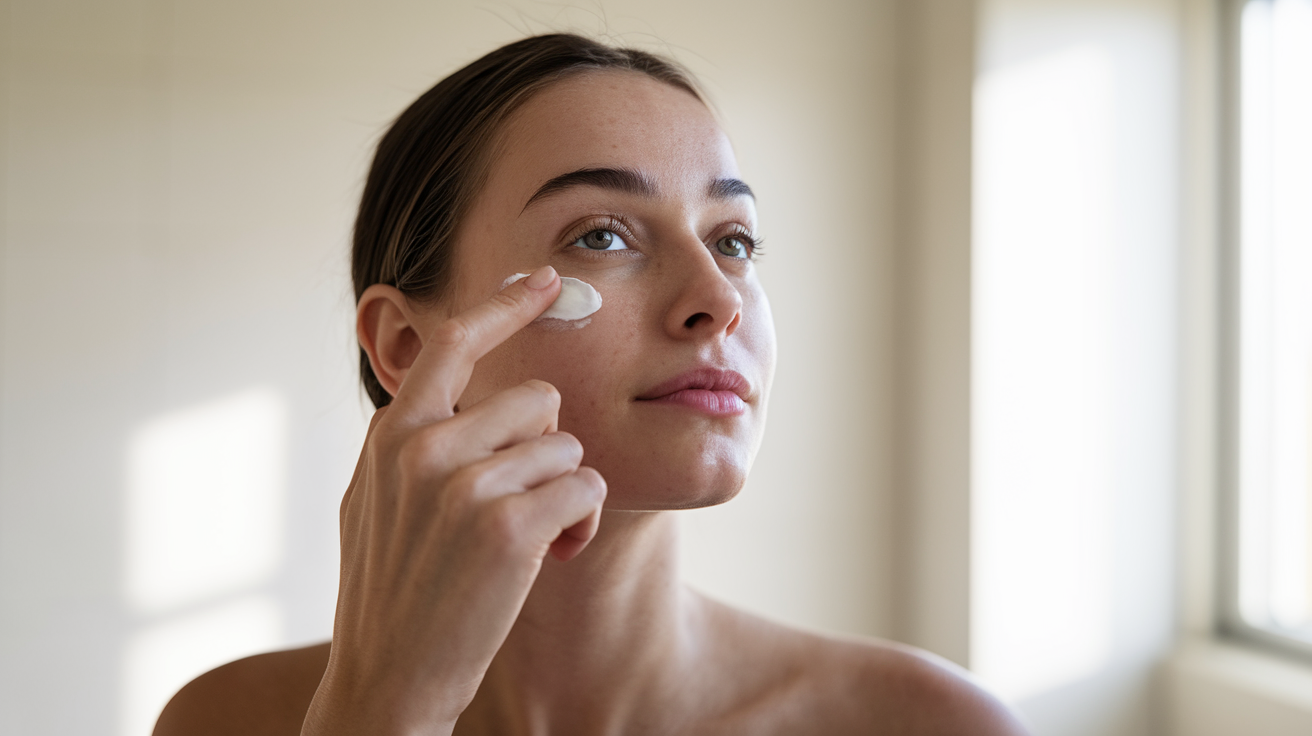
Now it's time for your eye cream. Use your ring finger to gently tap a small amount around the orbital bone—don't rub or pull. Avoid getting too close to your lash line.
Step 5: Face Moisturizer
After your eye cream has absorbed for a minute or two, apply your face moisturizer. You can bring it up to the eye area, but there's no need to layer it directly over the eye cream.
Step 6: SPF (morning only)
Always finish your morning routine with sunscreen. The skin around your eyes needs sun protection just like the rest of your face.
If you're looking for more detailed guidance on creating an effective under-eye routine, check out this affiliate one to help you build a routine that works for your specific concerns.
Common Layering Mistakes That Reduce Eye Cream Effectiveness
Mistake 1: Applying moisturizer first
This is the most common mistake. Your moisturizer creates a barrier that prevents your eye cream from absorbing. Always apply eye cream before your face cream unless your eye cream is unusually thick.
Mistake 2: Using too much product
A little goes a long way with eye cream. Using too much can cause it to sit on the surface or migrate into your eyes, causing irritation. A rice grain-sized amount per eye is plenty.
Mistake 3: Rubbing instead of patting
The skin around your eyes is delicate. Rubbing or pulling can contribute to the look of sagging and fine lines over time. Always use gentle patting motions with your ring finger, which naturally uses the least pressure.
Mistake 4: Applying too close to the lash line
Your eye cream will naturally migrate slightly as it warms on your skin. Apply it along the orbital bone, not right at the lash line, to avoid irritation and puffiness.
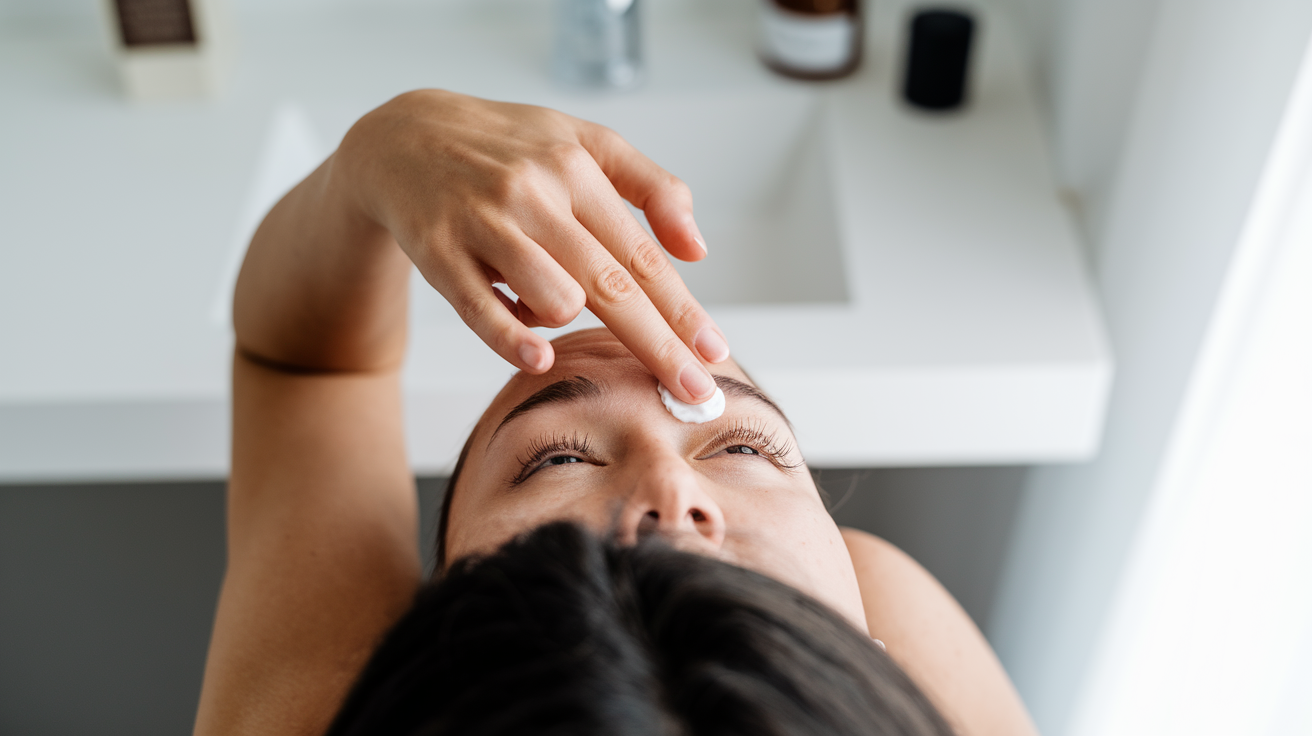
Mistake 5: Skipping the upper lid
Don't forget the area above your eye. The upper lid and brow bone can benefit from eye cream too, especially if you're concerned about crepey texture or the look of tired eyes.
Mistake 6: Not waiting between steps
Give your eye cream a minute or two to absorb before applying your moisturizer. Layering too quickly can cause pilling or reduce the effectiveness of both products.
If you're still not sure whether your routine is set up correctly, this affiliate one walks you through exactly how to layer your products for smoother-looking, less tired-looking eyes.
The bottom line? For most people, eye cream goes on before moisturizer. It's a simple switch that can make a real difference in how your products perform. Pay attention to texture, give each product time to absorb, and be consistent. Your under-eye area will thank you.