Disclosure: This post contains affiliate links. We may earn a commission at no extra cost to you.
Does Eye Cream Expire? 7 Signs Your Eye Cream Lost Its Power
You've been using the same eye cream for months, maybe even a year. It still has product left, so you keep reaching for it every morning. But have you noticed it doesn't seem to do much anymore?
Eye creams absolutely expire. And when they do, they don't just lose their effectiveness—they can actually irritate your skin. The delicate under-eye area deserves fresh, active ingredients, not degraded formulas that have been sitting in your bathroom drawer since last winter.
Here are seven clear signs your eye cream has lost its power and needs to be replaced.
The Telltale Scent: When Your Eye Cream Smells Off
Your eye cream used to smell light and pleasant, or maybe it had no scent at all. Now it smells slightly sour, musty, or just different.
That change in smell isn't random. It's a sign that the formula has started breaking down. Oils can go rancid, preservatives lose their strength, and bacteria can grow in the jar—especially if you've been dipping your fingers directly into the product.
If your eye cream smells off, trust your nose. It's time to toss it. This is especially true for natural or preservative-free formulas, which tend to spoil faster than conventional products.
Color Changes That Signal Product Breakdown
Eye creams should stay consistent in color. If your once-white cream has turned slightly yellow, beige, or developed brownish spots, the formula is oxidizing.
This happens when active ingredients like vitamin C or retinol break down from exposure to air and light. Once they oxidize, they lose potency and can become unstable on your skin.
Some ingredients naturally shift color over time, but dramatic changes—especially darkening or discoloration—mean the product is past its prime. You're not getting the benefits you paid for.
Texture Separation: Oil and Water Don't Mix Anymore
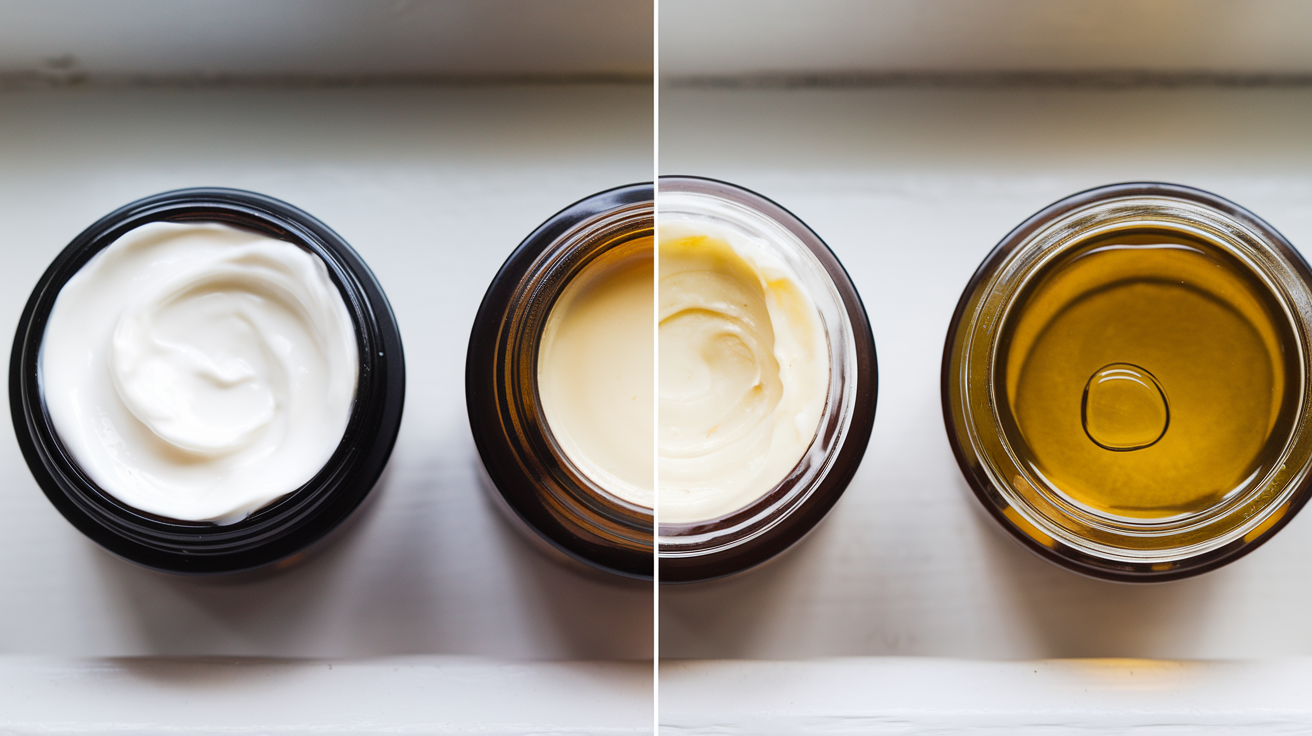
You open your eye cream and notice a watery layer floating on top, or an oily film that wasn't there before. The texture feels thinner, greasier, or weirdly lumpy.
That's emulsion breakdown. Eye creams are carefully formulated to blend oil and water-based ingredients into a smooth, stable cream. When that emulsion fails, the product separates.
Separation can happen from age, heat exposure, or contamination. Once it happens, the active ingredients aren't distributed evenly anymore. You might be applying mostly oil one day and mostly water the next—neither of which will help reduce the appearance of fine lines.
Reduced Effectiveness: Your Wrinkles Aren't Improving
You've been using your eye cream religiously for weeks, but your under-eye area looks the same—or maybe even worse. The skin still looks crepey, dry lines are still visible, and you don't see any improvement.
If you're using an expired or degraded eye cream, the active ingredients that help soften the look of fine lines have likely lost their strength. Peptides, antioxidants, and hydrating agents all have a shelf life.
This is one reason it's helpful to follow an affiliate one that walks you through what to expect from fresh, active products. When your eye cream is working properly, you should notice smoother-looking, less tired-looking skin over time.
Tired of seeing under-eye lines before you see yourself?
If the tiny creases under your eyes make you look more tired than you feel, this guide shows the simple under-eye routine that helps soften the look of dry lines, crepey texture, and tired skin without guessing or wasting weeks on random products.
Skin Irritation From Degraded Active Ingredients
Your eye cream never bothered your skin before, but now it stings, burns, or leaves your under-eye area red and irritated.
When active ingredients degrade, they can turn into compounds that irritate skin. Retinol can become unstable. Preservatives can break down and allow bacterial growth. Even gentle ingredients can cause reactions once they've expired.
The skin under your eyes is thinner and more sensitive than the rest of your face. It reacts quickly to products that have gone bad. If your eye cream suddenly starts causing irritation, stop using it immediately.
PAO Symbol: Understanding Your Eye Cream's Lifespan
Look at your eye cream jar or tube. You'll likely see a small symbol that looks like an open jar with a number inside—like 6M, 12M, or 24M.
That's the Period After Opening symbol. It tells you how many months the product stays effective after you first open it. A jar marked 12M should be used within 12 months of opening, even if it hasn't hit the printed expiration date.
Most eye creams last between 6 and 12 months after opening. Products in jars expire faster than those in airless pumps or tubes because they're exposed to more air and bacteria from repeated finger contact.
Write the date you opened the product on the bottom of the jar with a marker. It's a simple way to track freshness and know when it's time to replace it.
How to Store Eye Cream for Maximum Longevity
You can extend your eye cream's lifespan by storing it properly. Keep it in a cool, dry place away from direct sunlight and heat.
The bathroom might seem convenient, but the humidity and temperature changes from showers can degrade products faster. Consider keeping your eye cream in a bedroom drawer or vanity instead.
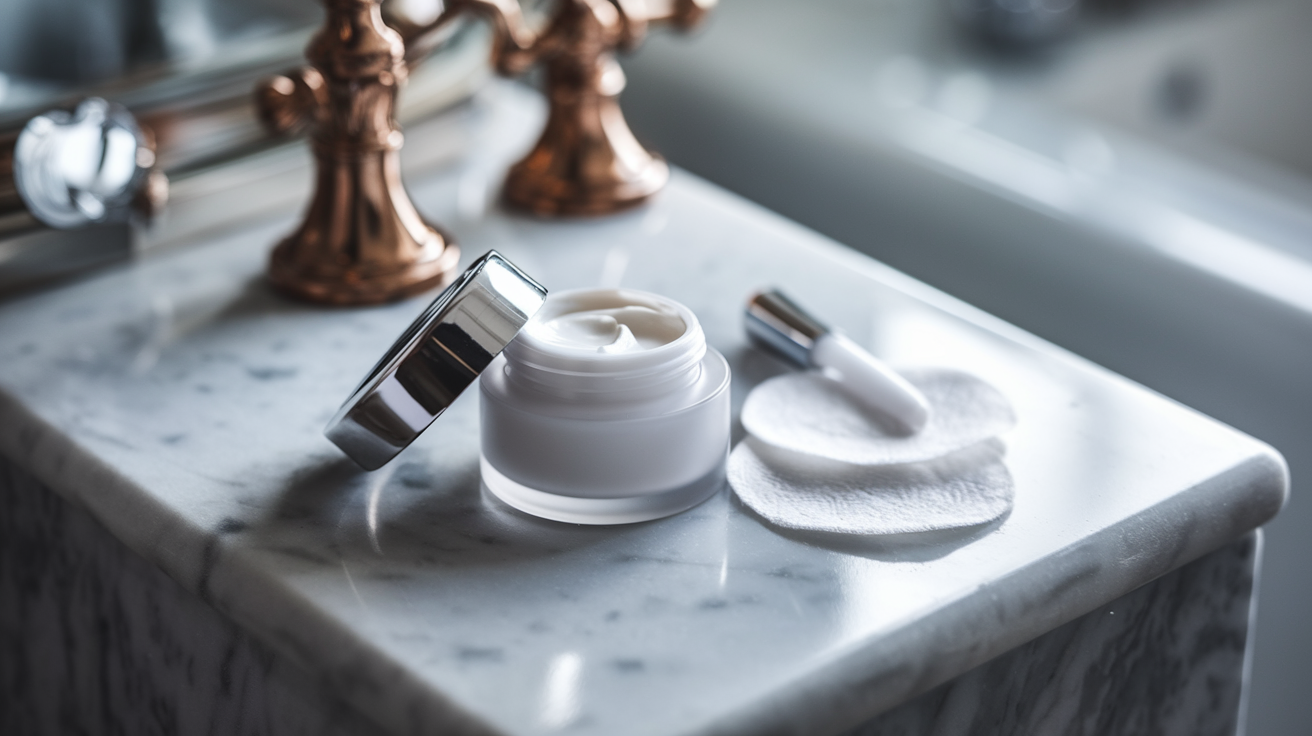
Always close the lid tightly after each use to minimize air exposure. If your product comes in a jar, use a clean spatula or cotton swab instead of dipping your fingers in. This reduces bacterial contamination and keeps the formula fresh longer.
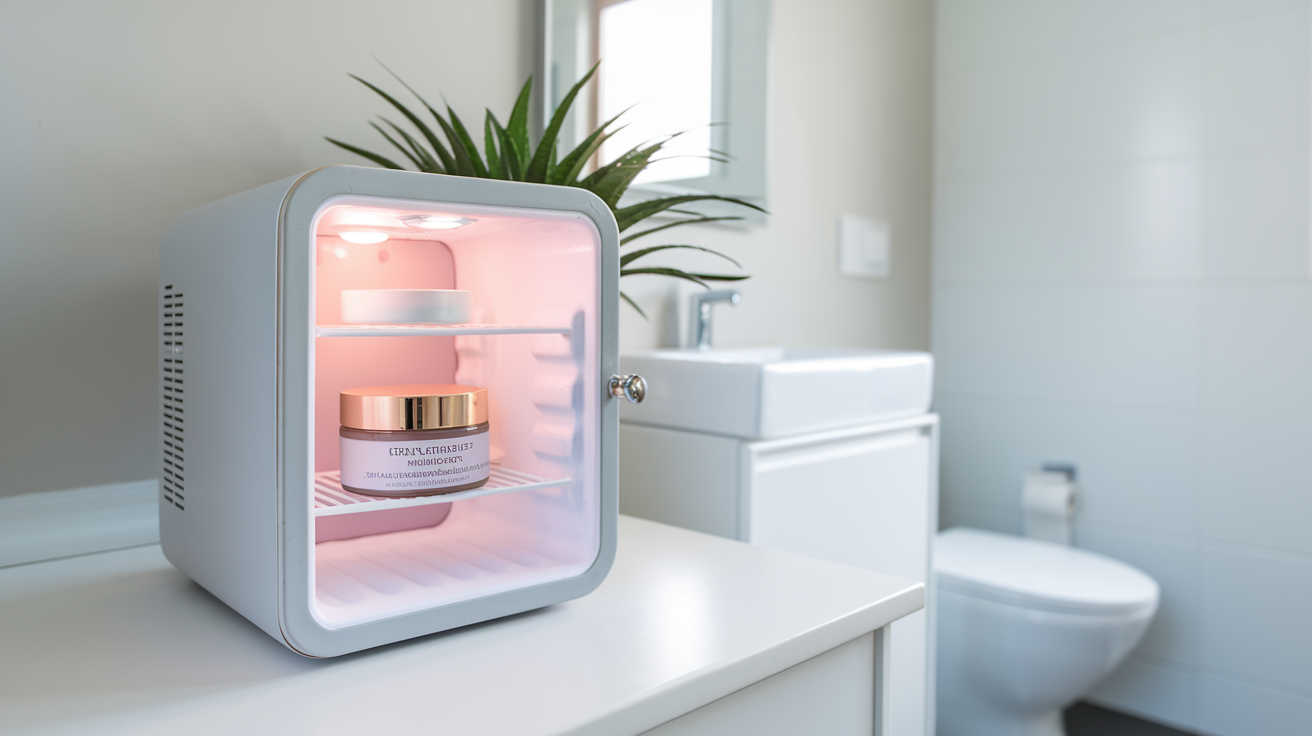
Refrigerating eye cream isn't necessary for most formulas, but it can help extend shelf life—especially for natural or preservative-free products. Just make sure the temperature stays consistent.
If you're investing in quality eye care products, following proper storage tips and using an affiliate one can help you get the most out of every jar.
Eye cream expiration isn't just about dates on a box. It's about noticing changes in smell, color, texture, and performance. Your skin will tell you when a product has lost its power—and when it does, it's time to start fresh.
Published November 4, 2026