Disclosure: This post contains affiliate links. We may earn a commission at no extra cost to you.
Does Expensive Eye Cream Actually Work Better? The Truth About Price vs Results
You've stood in the skincare aisle staring at two eye creams: one for $12 and one for $120. The expensive one promises luxury ingredients and a proprietary complex. The drugstore version lists similar actives on the label. Which one actually helps soften the look of fine lines and tired-looking skin?
The truth isn't as simple as price equals performance. Some luxury eye creams justify their cost with research-backed formulations and elegant textures. Others charge more for fancy packaging and marketing. Meanwhile, some affordable eye creams deliver impressive results, while others sit in a cheap jar doing essentially nothing.
Let's break down what you're actually paying for and when spending more makes sense for your under-eye area.
What Actually Makes Eye Cream Expensive
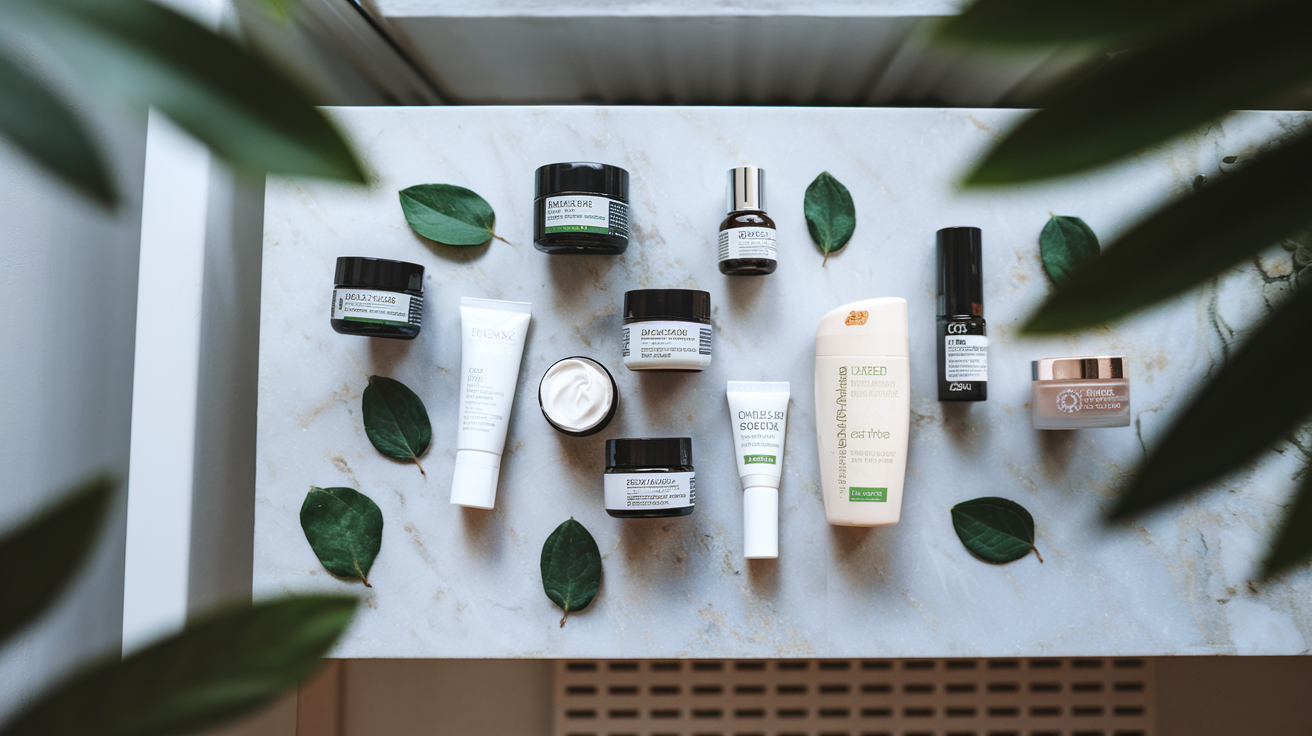
The price gap between drugstore and luxury eye creams can reach hundreds of dollars. Here's where that money typically goes.
Ingredient concentration and quality: Premium brands often use higher percentages of active ingredients like retinol, peptides, or growth factors. A luxury eye cream might contain 1% retinol while a budget version uses 0.1%. The difference matters when you're trying to reduce the appearance of fine lines.
Some expensive formulas also use more stable or bioavailable forms of actives. For example, encapsulated retinol or time-release caffeine costs more to produce but may work more effectively on the delicate eye area.
Research and clinical testing: Many high-end brands invest in clinical studies to test their formulations. This research costs money, and those costs get passed to you. Budget brands rarely conduct independent studies on their eye creams.
Texture and sensory experience: Luxury eye creams often feel silkier, absorb faster, and layer better under makeup. Formulators spend time perfecting the experience. Drugstore brands may prioritize cost over feel, resulting in heavier or greasier textures.
Packaging: That heavy glass jar with gold accents costs significantly more than a plastic tube. Some premium packaging also protects light-sensitive ingredients better, but much of it exists purely for aesthetics.
Marketing and retail placement: Department store counters, celebrity endorsements, and glossy ads all drive up costs. A budget eye cream sold at the pharmacy doesn't carry these expenses.
Drugstore vs Luxury Eye Cream Ingredient Comparison
When you compare ingredient lists, you'll often find similar actives in both price categories. The differences show up in concentration, supporting ingredients, and formulation elegance.
Retinol eye creams: A $15 drugstore retinol eye cream and a $150 luxury version might both list retinol as an active. But the expensive formula may use 0.5% encapsulated retinol with squalane and niacinamide to buffer irritation. The budget version might contain 0.1% basic retinol with fewer soothing ingredients, which can feel harsher on thin under-eye skin.
Peptide formulas: Both price points offer peptide eye creams, but luxury versions often include multiple peptide types (like matrixyl and argireline) in clinically studied concentrations. Budget peptide creams may list peptides lower on the ingredient panel, meaning they're present in smaller amounts.
Hydrating eye creams: This category shows the smallest performance gap. A drugstore eye cream with hyaluronic acid, ceramides, and glycerin can hydrate just as well as a luxury version. The main differences are texture and how it wears under concealer.
Antioxidant formulas: Both drugstore and luxury brands use vitamin C, vitamin E, and caffeine. Premium formulas may use more stable forms of vitamin C (like tetrahexyldecyl ascorbate) that don't oxidize quickly. Budget versions often use ascorbic acid, which works but breaks down faster when exposed to light and air.
For specific ingredient guidance tailored to your concerns, check out this affiliate one to help you navigate what actually matters for under-eye skin.
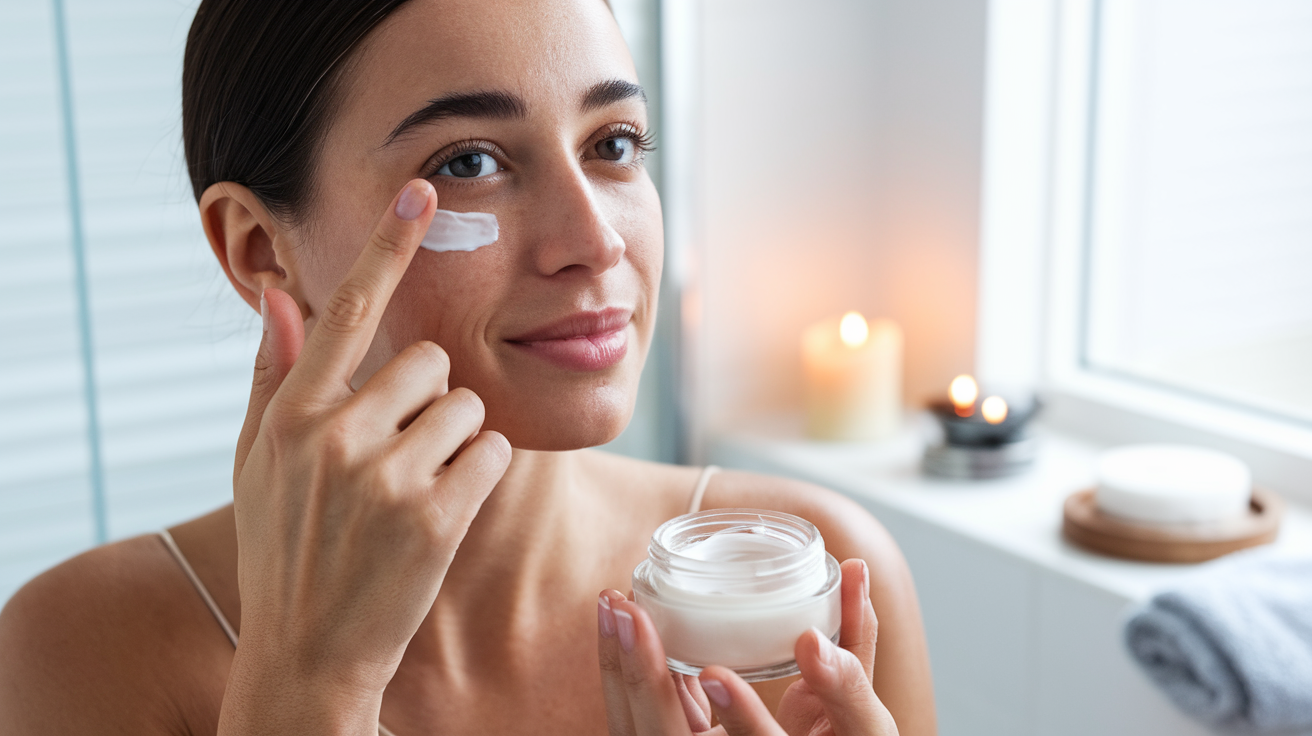
Tired of seeing under-eye lines before you see yourself?
If the tiny creases under your eyes make you look more tired than you feel, this guide shows the simple under-eye routine that helps soften the look of dry lines, crepey texture, and tired skin without guessing or wasting weeks on random products.
When Premium Eye Cream Is Worth The Investment
Sometimes spending more actually makes sense. Here are situations where a luxury eye cream might offer better results.
You have specific advanced concerns: If you're dealing with deeper lines, significant crepey texture, or loss of firmness, higher concentrations of proven actives like retinol or peptides can make a visible difference. Budget formulas may not contain enough active ingredients to impact these concerns.
You have sensitive under-eye skin: Premium formulas often include better supporting ingredients that reduce irritation. If budget retinol eye creams make your eyes red and flaky, a luxury version with encapsulated delivery and soothing agents might work without irritation.
You wear makeup daily: If you apply concealer every morning, texture matters enormously. Expensive eye creams often absorb quickly without pilling or causing makeup to crease. A $12 eye cream that causes your concealer to separate wastes both products.
You want faster absorption and elegant layering: Luxury eye creams typically feel lighter and layer better with other products. If you use vitamin C serum, eye cream, and sunscreen each morning, a well-formulated expensive eye cream makes your routine smoother.
The formula has clinical backing: When a premium eye cream has published studies showing it helps reduce the appearance of fine lines or dark circles, you're paying for proven results, not just marketing promises.
How To Choose Effective Eye Cream At Any Price Point
Whether you're spending $15 or $150, these strategies help you find an eye cream that actually works for your under-eye area.
Read the ingredient list, not the front label: Marketing claims don't tell you what's inside. Look for proven actives like retinol, peptides, niacinamide, caffeine, or hyaluronic acid listed in the first five to seven ingredients. If your target active appears near the end of a long ingredient list, it's there in trace amounts.
Match actives to your main concern: For fine lines, look for retinol or peptides. For puffiness, seek caffeine or green tea extract. For dryness and crepey texture, prioritize hyaluronic acid and ceramides. For dull-looking skin, consider vitamin C or niacinamide. One eye cream can't fix everything.
Consider packaging for active stability: If you're buying a retinol or vitamin C eye cream, choose one in an opaque pump or airless tube. Clear jars expose these ingredients to light and air, reducing their effectiveness over time. This matters more than brand prestige.
Test texture if possible: The best eye cream is one you'll actually use consistently. If a cream feels too heavy or greasy, you'll skip it. If it pills under makeup, you'll get frustrated and stop. When possible, get samples before committing to full size.
Start with proven basics: Before spending $200 on an eye cream with exotic ingredients, try well-reviewed formulas with straightforward actives. A simple retinol eye cream or peptide formula often outperforms a complex luxury formula with 47 ingredients.
Don't expect overnight transformation: No eye cream, regardless of price, will make lines disappear by morning. Effective eye creams help reduce the appearance of fine lines and support smoother-looking skin over weeks and months of consistent use.
Watch for irritation signs: Expensive doesn't mean gentle. If your eye cream causes redness, stinging, or increased dryness, it's not working for your skin regardless of cost. The delicate eye area needs formulas that support the skin barrier, not compromise it.
For a complete breakdown of which ingredients work best for different under-eye concerns, this affiliate one walks you through building an effective routine without overspending on products you don't need.
The truth about eye cream pricing is that you're not always getting what you pay for, but you're also not getting the same results from every $12 cream. The sweet spot often lies in mid-range formulas from brands that invest in ingredient quality and formulation rather than celebrity partnerships and luxury retail placement.
Focus on what's inside the jar, how it feels on your skin, and whether it addresses your specific under-eye concerns. Price can indicate quality, but it's not a guarantee. The most expensive eye cream in the department store won't work if it irritates your skin or sits unused because the texture feels wrong.
Your best eye cream is the one with effective ingredients at a concentration that works, in a formula your skin tolerates, at a price point you can sustain consistently. Sometimes that's $18. Sometimes it's $80. Rarely is it $300.