Disclosure: This post contains affiliate links. We may earn a commission at no extra cost to you.
October 8, 2026
5 Eye Cream Textures Explained: Which One Works Best for Your Under Eye Wrinkles?
Have you ever stood in the skincare aisle staring at a wall of eye creams, wondering why some are thick like butter while others feel like water? The texture of your eye cream matters more than most people realize. Choosing the wrong one can leave you with makeup sliding off by noon, or skin that still feels tight and lined even after applying product. The truth is, your under-eye wrinkles respond differently to gels, creams, serums, and balms based on your skin type and specific concerns.
Let's break down the five main eye cream textures so you can finally stop wasting money on formulas that don't match what your skin actually needs.
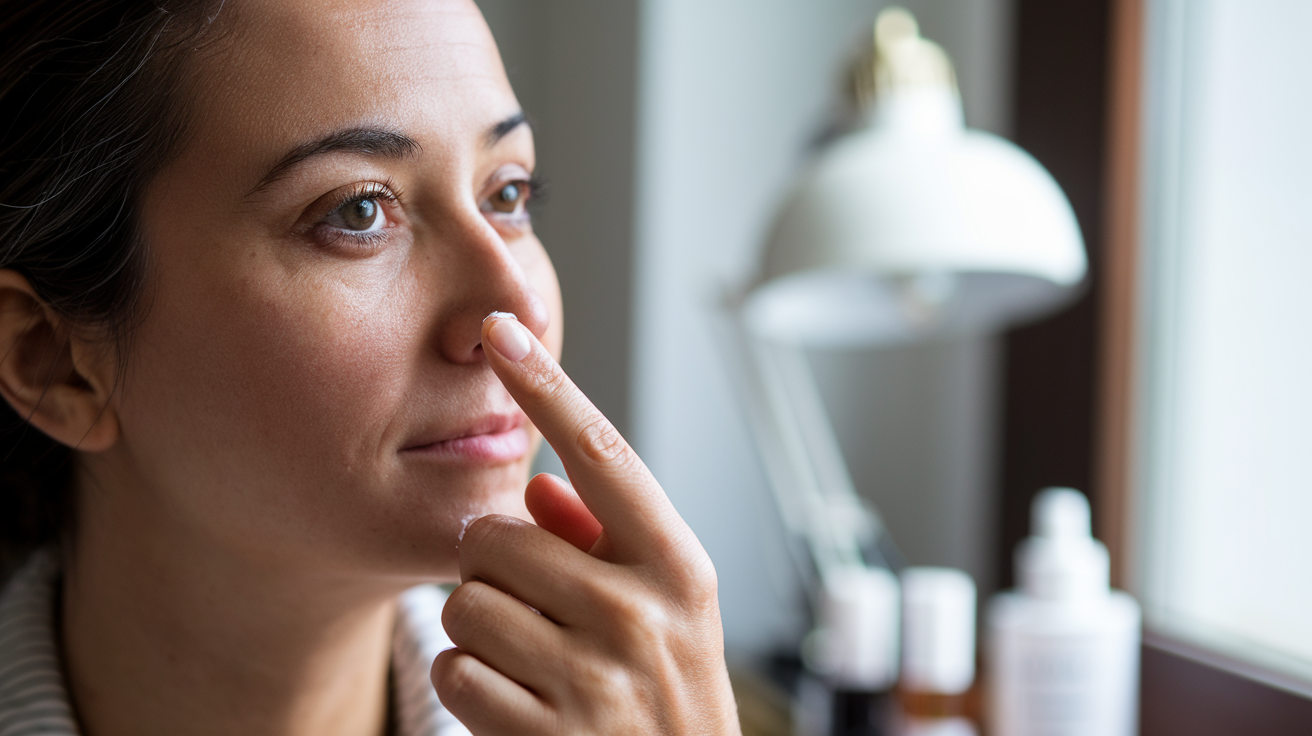
Lightweight Gel Eye Creams: Best for Puffiness and Oily Skin
Gel eye creams feel cool and refreshing when you apply them. They sink in almost instantly without leaving any residue or shine. If you wake up with puffy under-eyes or your skin tends to get oily by midday, gels are your best friend.
These formulas work well for people in their late twenties to mid-thirties who are just starting to see fine lines but don't have significant dryness yet. The lightweight texture won't overload your delicate under-eye skin or cause milia, those tiny white bumps that sometimes show up when products are too heavy.
Gels often contain ingredients like caffeine, cucumber extract, or hyaluronic acid. They help reduce the appearance of puffiness and provide a slight plumping effect that can make fine lines look less noticeable. But if your skin is very dry or you have deeper creases, a gel alone probably won't give you the moisture you need.
Apply gel eye creams with your ring finger using gentle tapping motions. They layer beautifully under makeup and won't cause concealer to crease or slide.
Rich Cream Eye Treatments: Perfect for Crepey Skin and Deep Wrinkles
Rich cream formulas feel thick and nourishing. They take a bit longer to absorb but provide serious moisture for mature or very dry skin. If your under-eye area has started to look crepey or papery, or if you have deeper wrinkles that need more intensive care, this texture is worth trying.
These creams typically contain emollients like shea butter, ceramides, or squalane that help soften the look of dry lines and support the skin barrier. They're especially helpful during winter months when indoor heating strips moisture from your face.
The key with rich creams is using the right amount. You only need a rice grain-sized dot for both eyes. Too much product can make your eyes feel heavy or cause makeup to pill. Pat it gently into the orbital bone area, not directly on the lash line.
Many people with mature skin find that rich creams used at night help their under-eye area look smoother and more rested by morning. The intensive moisture can reduce the appearance of crepey texture over time with consistent use.
Tired of seeing under-eye lines before you see yourself?
If the tiny creases under your eyes make you look more tired than you feel, this guide shows the simple under-eye routine that helps soften the look of dry lines, crepey texture, and tired skin without guessing or wasting weeks on random products.
Serum-Based Eye Products: Fast Absorption for Layering Routines
Eye serums have a liquid or slightly viscous texture that absorbs faster than cream but feels more substantial than gel. They're designed to deliver concentrated active ingredients without the extra fillers and emollients that make creams thicker.
If you follow an affiliate one multi-step routine or like to layer products, serums are ideal because they don't create a barrier on your skin. You can apply a serum first, then follow with a cream if you need extra moisture, or just let the serum work on its own if your skin doesn't need heavy hydration.
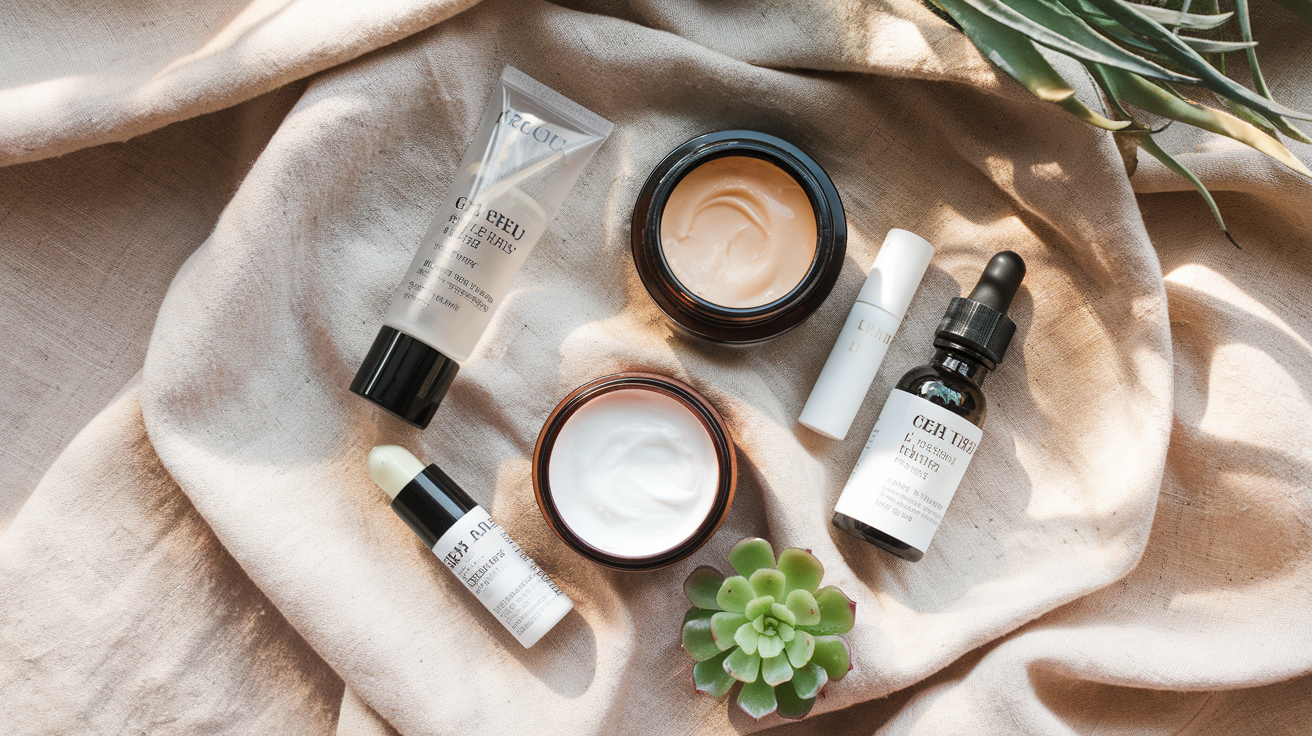
Serums often contain ingredients like retinol, peptides, vitamin C, or niacinamide in higher concentrations than creams. This makes them effective for targeting specific concerns like dark circles or fine lines. The thinner texture allows these actives to penetrate more efficiently.
One important note: some serums can feel slightly sticky until they fully absorb. Give them a minute or two to sink in before applying makeup. And if you're using a retinol-based eye serum, start slowly to avoid irritation. The thin texture means the active ingredients work faster, which can be intense if you're not used to them.
Balm and Stick Formulas: Targeted Treatment for Stubborn Crow's Feet
Eye balms and stick formulas have a waxy, solid texture that melts slightly when it touches your skin. They're designed for precise application on specific areas like the outer corners where crow's feet appear, or right under the lower lash line where you see the deepest creases.
These textures create a protective layer that locks in moisture and helps prevent water loss from the skin. If you have one stubborn area that always looks more lined than the rest, a balm lets you concentrate treatment exactly where you need it most.
Stick formulas are also convenient for travel or touch-ups during the day. You can keep one in your bag and apply it over makeup without using your fingers. The solid texture won't spill or leak like liquid products.
Balms work especially well at night. Apply them as the last step in your routine to seal in everything else you've layered underneath. The occlusive texture helps your other products work better by preventing evaporation while you sleep.
Just be cautious if you're prone to milia. The thick, occlusive nature of balms can sometimes trap oil and dead skin cells, leading to those tiny white bumps. If you notice this happening, switch to a lighter texture or use the balm less frequently.
How to Choose the Right Texture for Your Skin Concerns
Your ideal eye cream texture depends on three things: your skin type, your primary concern, and when you're applying it.
For oily or combination skin with early fine lines, start with a gel or serum. These textures provide benefits without overwhelming your skin's natural oil production.
For normal skin with moderate lines and some dryness, a traditional cream works well. It provides balanced moisture without feeling too heavy or too light.
For dry or mature skin with deeper wrinkles and crepey texture, choose a rich cream at night and possibly a serum or lighter cream during the day under makeup. You need more intensive moisture, but you also want something that sits well under concealer.
Consider the season too. Even if you have oily skin, you might need a slightly richer texture in winter when heating dries out your face. And even dry skin might prefer something lighter in humid summer months.
You can also use different textures for different times of day. Many people use a serum or gel in the morning because it works well under makeup, then switch to a richer cream or balm at night when absorption time doesn't matter and skin repair happens.
Pay attention to how your skin responds. If you apply an eye cream and your under-eye area still feels tight an hour later, that texture isn't moisturizing enough. If your concealer creases within an hour of application, your eye cream might be too rich or you're using too much product.
The best texture is the one you'll actually use consistently. An affiliate one eye care routine only works when you stick with it, so choose a formula that feels comfortable and fits into your daily habits. If you hate how thick creams feel, don't force yourself to use one just because someone said it's better. A gel you use every day will always outperform a cream that sits untouched in your drawer.
Your under-eye skin is different from the rest of your face. It's thinner, more delicate, and shows signs of aging earlier. Choosing the right texture helps you address your specific concerns without irritation or wasted effort. Whether that's a cooling gel, a nourishing cream, a concentrated serum, or a targeted balm, the texture matters just as much as the ingredients inside.